
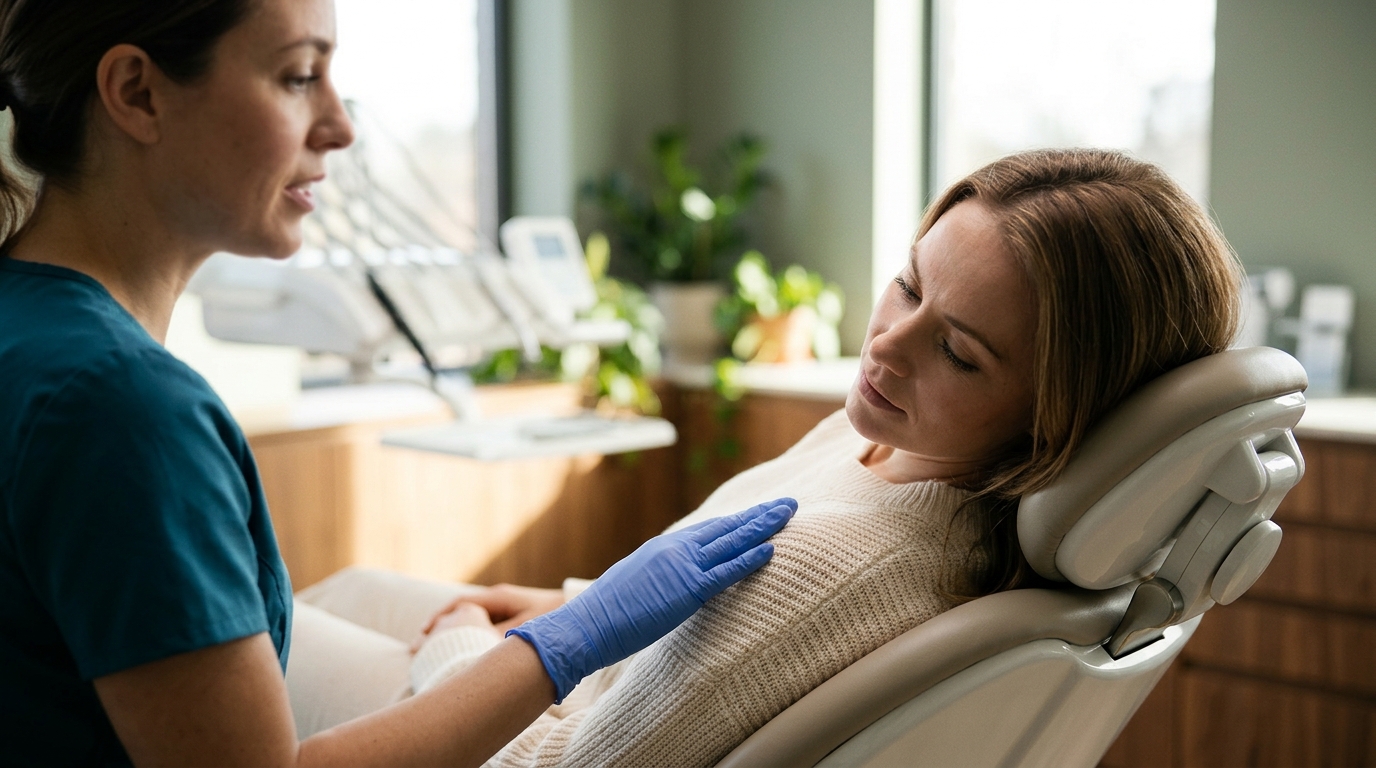
Teeth whitening sensitivity is a common, temporary reaction to bleaching agents. It occurs when the active ingredients penetrate the enamel and irritate the underlying nerve. At EDHAK Center in Banha, we prioritize patient comfort by using desensitizing protocols and professional-grade products. Understanding this mechanism helps you prepare for your treatment and manage expectations effectively.
The Biological Mechanism of Bleaching Sensitivity
Whitening sensitivity is a physiological response to the chemical action of peroxide-based gels. These agents work by breaking down chromogens, the molecules responsible for tooth discoloration. As the gel penetrates the porous structure of the enamel, it can temporarily increase the permeability of the dentin tubules. This allows external stimuli, such as cold air or sweet foods, to reach the pulp nerve more easily.
The intensity of the reaction depends on the concentration of the active ingredient and the duration of exposure. Professional treatments typically use higher concentrations than over-the-counter kits, which can lead to more pronounced initial sensitivity. However, the professional setting allows for precise control over application time and technique. This control is crucial for minimizing discomfort while maximizing aesthetic results.
At EDHAK Center, we assess your baseline sensitivity before starting any whitening protocol. This baseline measurement helps us tailor the treatment to your specific oral health profile. If you have existing enamel wear or gum recession, we may adjust the approach to protect your comfort.
Identifying Personal Risk Factors
Not all patients experience the same level of sensitivity. Several factors influence how your teeth react to bleaching agents. The most significant risk factor is the presence of pre-existing dental conditions. Patients with untreated cavities, cracked teeth, or significant gum recession are more likely to experience heightened sensitivity.
Enamel thickness is another critical variable. Thinner enamel allows the bleaching agent to reach the dentin faster. This is common in patients who grind their teeth or have acidic diets. Additionally, the natural color of your teeth plays a role. Darker teeth often require longer exposure times, which can increase the likelihood of sensitivity.
During your consultation at EDHAK Center, we evaluate these risk factors thoroughly. We review your dental history and examine your enamel integrity. This comprehensive assessment ensures that we choose the safest and most effective whitening method for your specific needs.
Pre-Treatment Strategies for Comfort
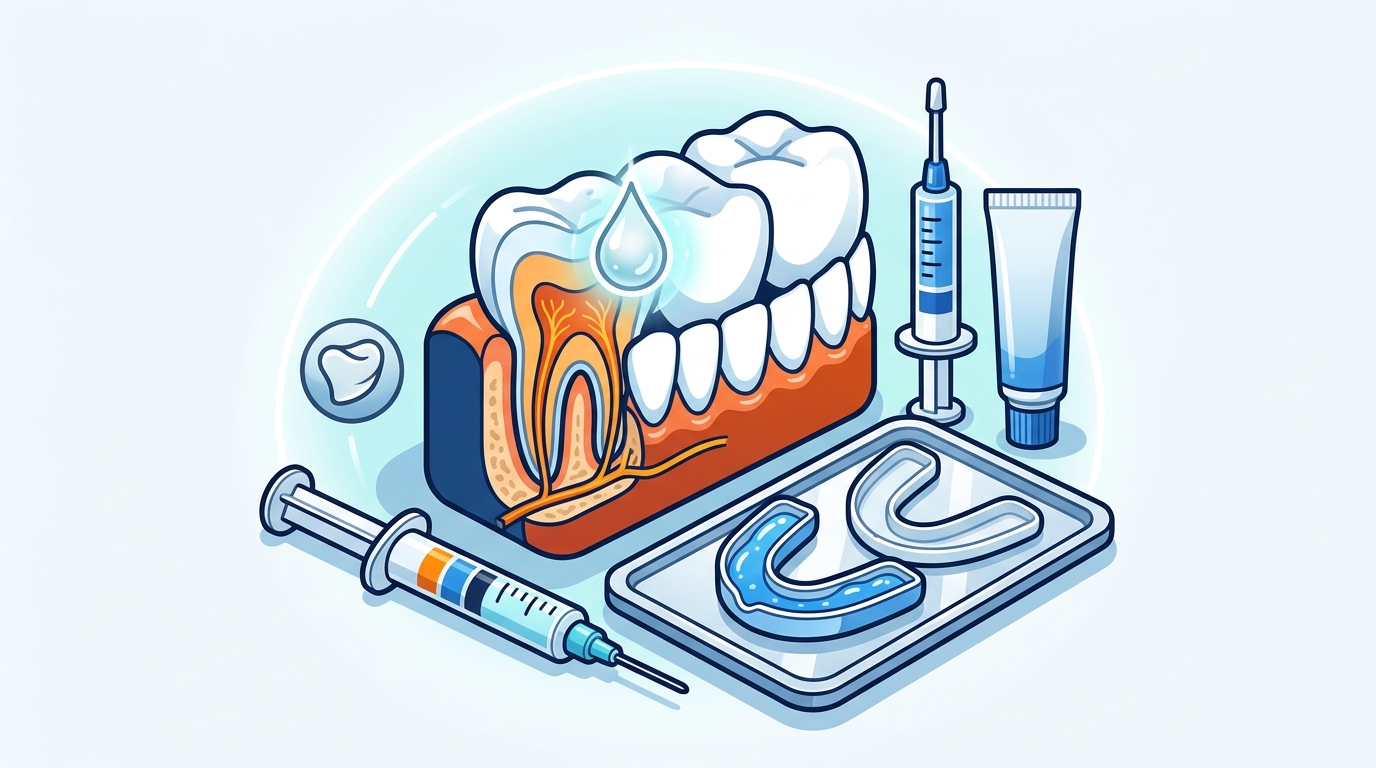
You can significantly reduce the risk of sensitivity by preparing your teeth before the whitening session. The most effective strategy is the use of desensitizing toothpaste. These products contain compounds like potassium nitrate or stannous fluoride, which help block the dentin tubules. Using this toothpaste for one to two weeks before your appointment can prime your teeth for better tolerance.
Professional desensitizing treatments are also available. Your dentist may apply a fluoride varnish or a specialized desensitizing gel before the bleaching procedure. This creates a protective barrier that reduces the penetration of the bleaching agent. At EDHAK Center, we often incorporate these pre-treatment steps into our whitening packages to ensure a comfortable experience.
It is also important to maintain good oral hygiene. Plaque and tartar buildup can trap the bleaching agent against the gums, causing irritation. A professional cleaning before whitening ensures that the gel contacts only the tooth surface, not the gum tissue. This simple step can make a significant difference in your comfort level.
Managing Sensitivity During and After Treatment
If you experience sensitivity during the whitening process, it is usually temporary. Mild discomfort typically subsides within 24 to 48 hours after the final session. However, if the pain is severe or persists beyond a few days, you should contact your dentist immediately. Persistent sensitivity may indicate an underlying issue that needs attention.
Post-treatment care is essential for managing residual sensitivity. Avoid extremely hot or cold foods and drinks for the first 24 hours. Stick to lukewarm water and soft foods. Using a desensitizing toothpaste daily for the first week can help soothe the nerves. At EDHAK Center, we provide detailed aftercare instructions to guide you through this period.
It is also important to avoid staining foods and drinks for the first 48 hours. While this is primarily for maintaining the whitening results, it also helps prevent additional irritation. Coffee, tea, red wine, and dark berries can stain the teeth and may exacerbate sensitivity. By following these guidelines, you can enjoy your new smile with minimal discomfort.
Alternative Options for Sensitive Patients
If you are highly sensitive to bleaching agents, there are alternative cosmetic options available. Porcelain veneers are a durable solution that can mask discoloration without the use of peroxide. They are custom-made to fit your teeth and provide a long-lasting aesthetic improvement. At EDHAK Center, we offer a range of cosmetic procedures that can achieve similar results to whitening without the associated sensitivity.
Composite bonding is another option for patients who want to improve their smile without bleaching. This procedure involves applying a tooth-colored resin to the surface of the teeth. It can mask stains and chips, providing an immediate cosmetic boost. These alternatives are particularly suitable for patients who have tried whitening and found it uncomfortable.
During your consultation, we will discuss all available options with you. We will help you weigh the benefits and risks of each approach. Our goal is to provide you with a smile that you love, without compromising your comfort or oral health.
Key Takeaways
- Whitening sensitivity is a temporary reaction to peroxide-based gels penetrating the enamel.
- Pre-existing conditions like gum recession or enamel wear increase the risk of sensitivity.
- Using desensitizing toothpaste for one to two weeks before treatment can reduce discomfort.
- Professional pre-treatment applications, such as fluoride varnish, create a protective barrier.
- Mild sensitivity typically subsides within 48 hours after the final session.
- Alternative cosmetic options like veneers or bonding are available for highly sensitive patients.
- Consulting with a professional at EDHAK Center ensures a safe and comfortable whitening experience.
Frequently Asked Questions
How long does whitening sensitivity last?
Mild sensitivity usually subsides within 24 to 48 hours after the final whitening session. If the discomfort persists beyond a few days, you should contact your dentist for evaluation.
Can I use over-the-counter whitening products if I have sensitive teeth?
Over-the-counter products may cause more sensitivity due to less controlled application. It is safer to consult a professional who can use desensitizing protocols and monitor your response.
Does whitening damage my enamel?
When performed correctly, professional whitening does not damage enamel. It may temporarily increase permeability, but this effect is reversible. Always follow your dentist's aftercare instructions to protect your teeth.
What should I avoid after whitening?
Avoid extremely hot or cold foods and drinks for the first 24 hours. Also, avoid staining foods and drinks like coffee, tea, and red wine for the first 48 hours to maintain results and reduce irritation.
Are there alternatives to whitening for sensitive teeth?
Yes, porcelain veneers and composite bonding are effective alternatives that can mask discoloration without using bleaching agents. These options are suitable for patients who cannot tolerate whitening sensitivity.
Conclusion
Understanding tooth sensitivity is key to a successful whitening experience. By preparing your teeth and following professional guidance, you can minimize discomfort and achieve a brighter smile. At EDHAK Center, we are committed to providing safe, effective, and comfortable dental care. to schedule a consultation and discuss your whitening options. Learn more: Contact EDHAK Center Book.