

The Science of Composite Resin Adhesion
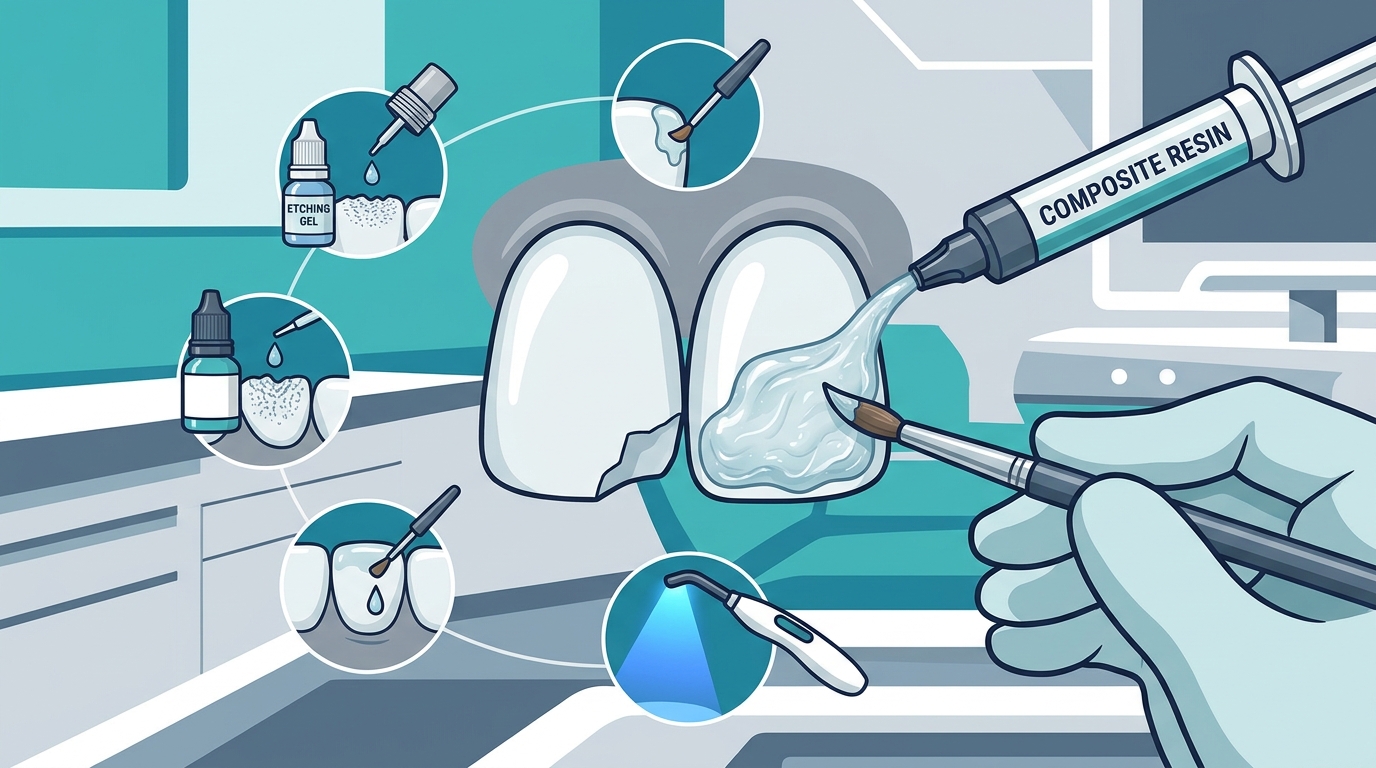
Composite bonding relies on a material known as composite resin, which is a mixture of plastic and fine glass or quartz particles. This material is designed to mimic the translucency and texture of natural tooth enamel. The process begins with a specialized etching gel that creates a microscopic roughness on the tooth surface. This roughness allows the bonding agent to penetrate the enamel and dentin, creating a mechanical interlock that is significantly stronger than simple adhesion. For additional details, review the Family amp Pediatric Dentistry.
Once the bonding agent is applied, the composite resin is placed in layers. Each layer is cured with a high-intensity blue light, which activates a chemical reaction that hardens the material. This layering technique is critical because it allows the dentist to sculpt the resin into the exact shape of the missing tooth structure. The result is a restoration that is not only strong but also visually indistinguishable from the surrounding teeth. This scientific approach ensures that the repair can withstand the daily forces of chewing and speaking. For additional details, review the Terms of Service EDHAK.
Step-by-Step Procedure for Chip Repair
The procedure for fixing a chipped front tooth is typically completed in one appointment, lasting between 30 to 60 minutes. The first step involves a thorough examination to determine the extent of the damage. If the chip is deep and exposes the nerve, the dentist may need to perform a different type of treatment, such as a crown or root canal. However, for most cosmetic chips, composite bonding is the ideal solution.
After the tooth is cleaned and isolated, the dentist applies the etching gel and rinses it away. A bonding liquid is then applied to the tooth surface. The composite resin is selected to match the specific shade of your natural teeth. The dentist sculpts the resin to restore the original contour of the tooth. Finally, the restoration is polished to a high shine. This polishing step is essential because it reduces the surface roughness, making the restoration less likely to accumulate plaque and stains over time.
Why Dentists Recommend Composite Bonding
Dentists frequently recommend composite bonding for several compelling reasons. First, it is a conservative treatment that preserves the maximum amount of natural tooth structure. Unlike porcelain veneers or crowns, which require the removal of a significant layer of enamel, bonding requires little to no drilling. This preservation of healthy tissue is a primary goal in modern dentistry, as it helps maintain the long-term health and vitality of the tooth.
Second, the procedure is highly cost-effective compared to other restorative options. It provides a high-quality aesthetic result at a fraction of the cost of porcelain veneers. Additionally, composite bonding is reversible. If a patient is not satisfied with the result, or if the tooth requires different treatment in the future, the composite can be removed and replaced without causing permanent damage to the underlying tooth. This flexibility makes it an excellent choice for patients who are unsure about committing to more permanent cosmetic changes.
Longevity and Maintenance of Bonded Teeth
With proper care, a composite bonding restoration can last between 5 to 10 years. The longevity of the repair depends on several factors, including the location of the chip, the patient's bite force, and their oral hygiene habits. To maximize the lifespan of your bonding, it is important to avoid habits that can damage the resin, such as biting on hard objects like ice, pens, or fingernails. These actions can cause the composite to chip or crack.
Regular dental check-ups and professional cleanings are also crucial for maintaining the health of your bonded teeth. Your dentist will monitor the restoration for any signs of wear or staining. If minor chips occur, they can often be repaired quickly and easily without the need for a full replacement. By following these maintenance guidelines, you can enjoy a beautiful, healthy smile for many years.
Composite Bonding vs. Other Cosmetic Options
The choice between these options depends on the specific needs of the patient. For minor to moderate chips, composite bonding is often the best choice due to its affordability and minimally invasive nature. For more extensive cosmetic concerns, a combination of treatments may be recommended. At EDHAK Center, Dr. Moosa works closely with each patient to develop a personalized treatment plan that addresses their unique aesthetic goals and budget.
Key Takeaways
- The procedure is completed in a single visit and requires little to no removal of natural enamel.
- Composite resin is bonded to the tooth using a specialized etching and bonding process.
- Dentists recommend bonding because it is cost-effective, reversible, and preserves healthy tooth structure.
- With proper care, a bonded tooth can last 5 to 10 years.
- Regular dental check-ups are essential for monitoring the health and appearance of the restoration.
Frequently Asked Questions
Does composite bonding hurt?
No, composite bonding is a painless procedure. The dentist will numb the area if necessary, but most patients report little to no discomfort during the treatment.
How long does the procedure take?
The procedure typically takes between 30 to 60 minutes, depending on the size and complexity of the chip.
Will the bonding stain over time?
Composite resin is more stain-resistant than natural teeth, but it can still discolor over time if you consume dark-colored foods and beverages. Regular professional cleanings can help maintain the color.
Can I eat normally after the procedure?
Yes, you can eat normally after the procedure. However, it is recommended to avoid biting on hard objects for the first 24 hours to allow the bonding to fully set.
How much does composite bonding cost?
The cost of composite bonding varies depending on the extent of the damage and the location of the tooth. It is generally more affordable than porcelain veneers or crowns.
Is composite bonding permanent?
Composite bonding is not permanent, but it is a durable solution that can last for many years with proper care. If the bonding chips or wears down, it can be repaired or replaced.