

Identifying the correct dental specialty begins with matching your specific symptoms to the scope of practice of a specific provider. General dentists handle routine care, while specialists focus on complex issues like bone loss or alignment. At EDHAK Center in Banha, we help patients navigate this decision by assessing your unique oral health profile. Understanding the distinct roles of each specialty ensures you receive targeted, effective treatment rather than generic advice.
General Dentistry vs. Specialist Care
General dentistry is the foundation of oral health, encompassing preventive care, basic restorations, and routine examinations. A general dentist is a licensed professional who provides comprehensive care for the whole family. They are the first point of contact for most patients and can diagnose a wide range of issues. However, when a condition exceeds the scope of general practice, a referral to a specialist becomes necessary. This distinction is critical because treating a complex issue with general tools may lead to suboptimal results or the need for re-treatment.
Specialists undergo additional years of training beyond dental school to master a specific area of dentistry. For example, an orthodontist focuses exclusively on tooth alignment and jaw growth. At EDHAK Center, we integrate general and specialized care to ensure continuity. If your issue involves simple cleaning or a single filling, a general dentist is sufficient. If it involves complex implant placement or severe misalignment, a specialist is required.
Cosmetic Dentistry: Aesthetics and Confidence
Cosmetic dentistry is a branch of dentistry that focuses on improving the appearance of a patient's smile. This specialty addresses concerns such as discoloration, chips, gaps, and misshapen teeth. Patients often seek cosmetic care for psychological reasons, such as low self-esteem or anxiety about smiling in public. The procedures involved range from simple whitening to complex veneer placements. It is important to distinguish cosmetic dentistry from restorative dentistry, as the former prioritizes aesthetics while the latter prioritizes function.
Orthodontics: Alignment and Bite Correction
Orthodontics is the dental specialty that deals with the diagnosis, prevention, and correction of malpositioned teeth and jaws. Misalignment can lead to functional problems such as difficulty chewing, speech impediments, and accelerated wear on tooth enamel. Orthodontists use appliances like braces and clear aligners to gradually move teeth into proper position. This specialty is not just about looks; it is about long-term oral health and joint stability.
Clear aligners have become a popular option for adults seeking discreet treatment. At EDHAK Center, we provide orthodontic care that addresses both aesthetic and functional concerns. If you notice that your teeth are crowded, spaced, or your bite feels uneven, an orthodontic evaluation is essential. Early intervention can prevent more severe issues later in life, such as temporomandibular joint disorders.
Restorative Dentistry and Implants
Restorative dentistry is the field of dentistry that replaces missing or damaged teeth to restore function and appearance. This specialty includes crowns, bridges, dentures, and dental implants. When a tooth is too damaged to save, or when a tooth is missing, restorative options become the primary solution. Dental implants are a gold standard in restorative dentistry, providing a permanent replacement that looks and feels like a natural tooth.
Implant placement requires surgical skill and a deep understanding of bone anatomy. At EDHAK Center, we offer comprehensive implant services for patients with missing teeth. If you have lost a tooth or have a severely decayed tooth that cannot be saved with a filling, you likely need restorative care. This specialty ensures that your smile remains functional and complete, preventing the shifting of adjacent teeth.
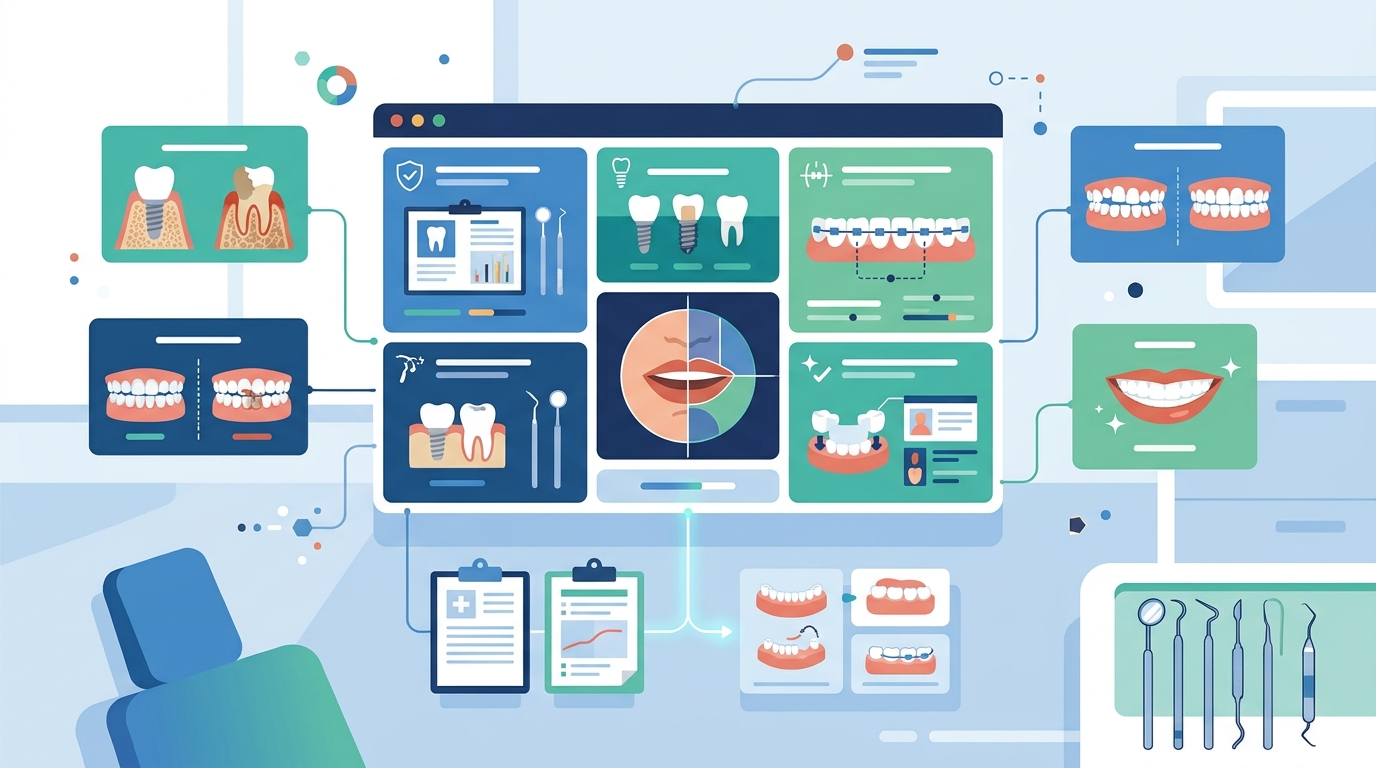
Preventive Care and Family Dentistry
At EDHAK Center, we emphasize the importance of routine care for the whole family. If your main goal is to maintain healthy teeth and gums, preventive dentistry is your primary need. Scheduling regular visits ensures that minor issues do not escalate into major problems. This proactive approach is among the cornerstone of long-term oral health and is available to patients of many ages.
Key Takeaways
- General dentists handle routine care, while specialists focus on complex issues like bone loss or alignment.
- Cosmetic dentistry addresses aesthetic concerns such as discoloration and shape, prioritizing smile appearance.
- Orthodontics corrects misalignment and bite issues, improving both function and aesthetics.
- Restorative dentistry replaces missing or damaged teeth using crowns, bridges, or implants.
- Preventive care is among the most cost-effective way to maintain long-term oral health.
- Consulting with a qualified dentist is among the best way to determine which specialty you need.
Frequently Asked Questions
What is among the difference between a general dentist and a specialist?
A general dentist provides comprehensive care for many oral health needs, while a specialist focuses on a specific area such as orthodontics or implants. Specialists undergo additional training beyond dental school.
Do I need a specialist for teeth whitening?
No, teeth whitening is typically performed by general dentists. It is a cosmetic procedure that does not require specialized surgical training.
Can a general dentist place dental implants?
Some general dentists are trained in implant placement, but complex cases often require a specialist in oral surgery or prosthodontics. At EDHAK Center, we have the expertise to handle a range of implant cases.
How do I know if I need orthodontics?
If you have crowded teeth, gaps, or a misaligned bite, you may need orthodontics. An orthodontic evaluation can determine if treatment is necessary.
Is cosmetic dentistry only for young people?
No, cosmetic dentistry is for patients of many ages. Many adults seek cosmetic care to improve their confidence and smile appearance.
How often should I see a preventive dentist?
Most patients should see a dentist for preventive care every six months. Your dentist may recommend more frequent visits if you have specific risk factors.
Conclusion
Choosing the right dental specialty is a critical step in achieving optimal oral health. By understanding the distinct roles of general dentists, cosmetic specialists, orthodontists, and restorative dentists, you can make informed decisions about your care. At EDHAK Center, we are committed to helping you navigate this process with clarity and confidence. Our team in Banha is ready to assess your unique needs and guide you toward the best treatment option. To schedule a consultation and determine which specialty is right for you, today.