

According to recent dental industry reports, over 70% of adults feel self-conscious about their smile, driving a massive surge in cosmetic dentistry demand. However, data shows that nearly 40% of patients regret their initial whitening choice due to sensitivity or uneven results. This statistic highlights a critical gap in consumer education regarding the nuances of dental aesthetics. Choosing the right path requires more than just comparing prices; it demands an understanding of biological safety and professional expertise. At EDHAK Center, we see firsthand how informed decisions lead to lasting confidence. This guide breaks down the most frequent errors patients make when seeking a brighter smile.
Ignoring Tooth Sensitivity and Gum Health
One of the most dangerous errors patients make is selecting a whitening method without assessing their current oral health. Whitening agents, typically hydrogen peroxide or carbamide peroxide, penetrate the enamel to break down stains. If your gums are inflamed or your enamel is compromised, these agents can cause severe pain and long-term damage. Whitening is not a one-size-fits-all procedure. It requires a baseline of healthy teeth and gums to be safe and effective.
Many individuals rush into high-concentration treatments because they want immediate results. This approach often backfires. When the pulp inside the tooth becomes irritated, it can lead to irreversible nerve damage. Professional dentists evaluate your gum tissue integrity before recommending any bleaching protocol. At EDHAK Center, we prioritize patient comfort by customizing the concentration of whitening agents to your specific tolerance levels. This personalized approach ensures that you achieve a brighter smile without sacrificing your oral health.
Prioritizing Price Over Professional Oversight
Cost is a significant factor in any medical decision, but it should never be the primary driver for cosmetic procedures. Cheap whitening kits often use inferior gels that do not adhere properly to the tooth surface. This leads to uneven whitening, where some teeth appear significantly brighter than others. Furthermore, low-cost products may lack the necessary buffering agents to protect your enamel from acid erosion.
Professional treatments, while initially more expensive, offer predictable and uniform results. They utilize higher-grade materials that are formulated for safety and efficacy. According to dental health authorities, professional-grade whitening agents are significantly more stable and less likely to cause adverse reactions. Investing in a treatment overseen by a specialist like Dr. Moosa ensures that the procedure is monitored for any signs of irritation. This oversight provides peace of mind that over-the-counter products simply cannot match.
Misunderstanding the Difference Between Whitening and Veneers
Patients often confuse teeth whitening with veneers, leading to unrealistic expectations. Teeth whitening is a non-invasive process that lightens the natural color of your existing enamel. It works best for yellowing caused by age, coffee, or tobacco. However, it cannot change the shape, size, or severe discoloration of teeth. Veneers, on the other hand, are thin shells bonded to the front of teeth to alter their appearance entirely.
If you have gray or brown stains that do not respond to bleaching, whitening will fail. In such cases, cosmetic dentistry options like veneers or bonding are more appropriate. Understanding this distinction is crucial for setting realistic goals. A consultation helps determine whether your teeth are candidates for bleaching or if restorative work is needed. Misdiagnosing your own needs can lead to wasted time and money on ineffective treatments.
Relying on Unregulated Online Kits
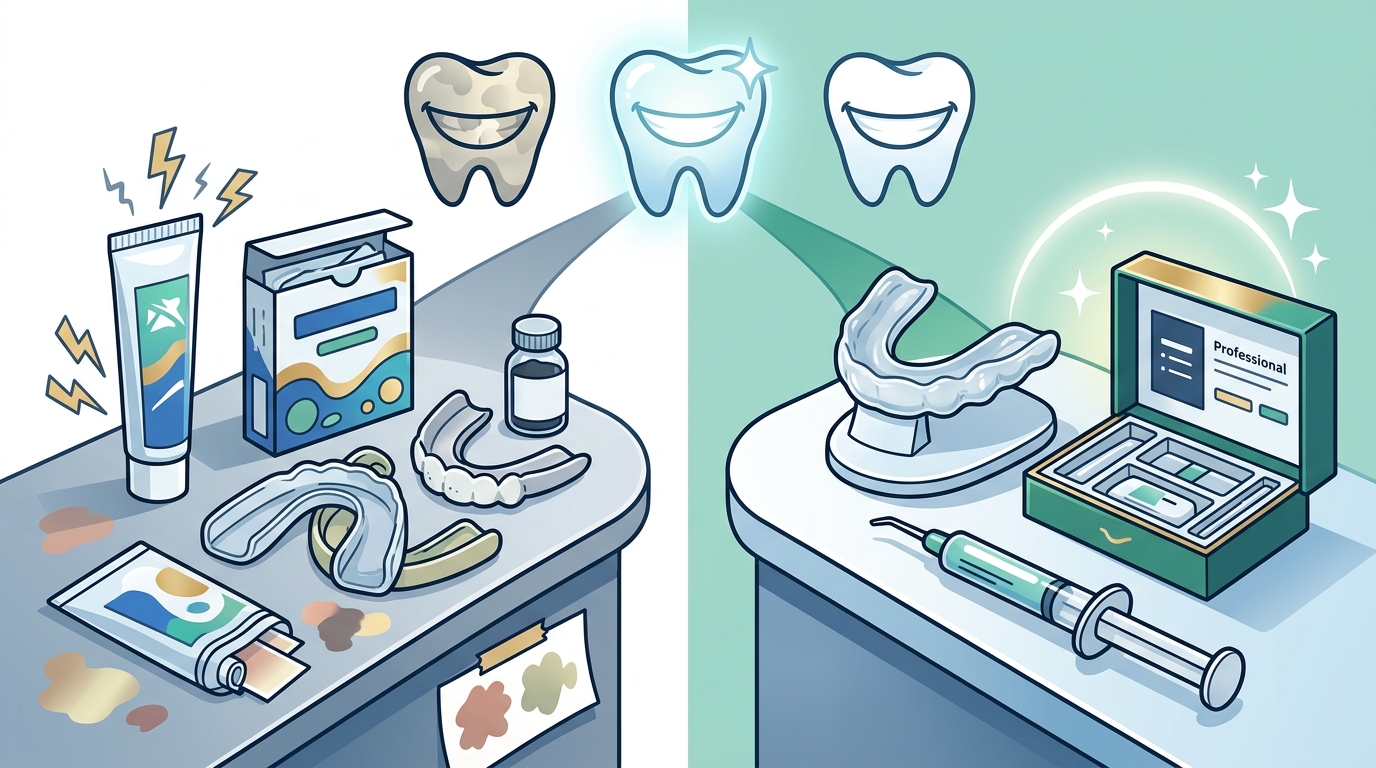
The internet is flooded with teeth whitening products that promise dramatic results with minimal effort. Many of these kits lack regulatory approval and use unverified chemical concentrations. Using these products without professional guidance is risky. The fit of the trays is often poor, causing the gel to leak onto the gums. This leakage results in chemical burns and severe sensitivity.
Professional whitening treatments use custom-fitted trays that ensure the gel stays on the teeth and not the soft tissue. This precision maximizes effectiveness while minimizing side effects. Furthermore, professional products are regulated for safety and purity. When you choose a clinic like EDHAK Center, you are guaranteed access to medically approved materials. This safety net is invaluable in preventing accidental injury or long-term sensitivity issues.
Expecting Instant, Permanent Results
Another common misconception is that whitening is a permanent solution. Teeth whitening is not permanent. The results typically last from six months to two years, depending on your lifestyle habits. Consuming staining foods and beverages, such as coffee, red wine, and berries, will gradually darken your teeth again. Smoking also accelerates the re-staining process significantly.
Managing expectations is key to satisfaction. Professional whitening provides a significant boost in brightness, but maintenance is required. Regular dental cleanings and touch-up treatments can help prolong the results. At EDHAK Center, we provide detailed aftercare instructions to help you maintain your new smile. Understanding the temporary nature of whitening helps patients plan for long-term oral aesthetics and budget accordingly.
Skipping the Initial Dental Examination
Perhaps the most critical mistake is attempting to whiten teeth without a prior dental exam. Cavities, gum disease, and exposed roots can be exacerbated by whitening agents. If you have untreated decay, the bleaching gel can penetrate the cavity and cause intense pain or further damage to the tooth structure. Gum disease can also worsen if the gums are already inflamed.
A comprehensive examination ensures that your mouth is healthy enough for whitening. It allows the dentist to identify any underlying issues that need to be addressed first. This step is non-negotiable for safe and effective treatment. By visiting EDHAK Center for a consultation, you ensure that your whitening journey begins with a solid foundation of health. This proactive approach prevents complications and ensures the best possible outcome for your smile.
Comparison of Whitening Options
Understanding the differences between available treatments helps in making an informed decision. The table below summarizes the key characteristics of professional versus over-the-counter options.
| Feature | Professional Whitening | Over-the-Counter Kits |
|---|---|---|
| Customization | Custom-fitted trays and tailored gel concentration | One-size-fits-all trays and fixed gel strength |
| Speed of Results | Visible results in one session | Gradual results over several weeks |
| Safety Oversight | Monitored by a dental specialist | No professional supervision |
| Sensitivity Risk | Lower risk due to protective measures | Higher risk of gum irritation and pain |
| Longevity | Longer-lasting with proper maintenance | Shorter duration due to lower efficacy |
Key Takeaways
- Always prioritize oral health over cost when selecting a whitening method.
- Professional treatments offer customized solutions that minimize sensitivity and maximize safety.
- Whitening is not permanent; lifestyle habits significantly impact longevity.
- Unregulated online kits pose serious risks to gum tissue and enamel integrity.
- A pre-treatment dental exam is essential to rule out cavities and gum disease.
- Understanding the difference between whitening and veneers prevents unrealistic expectations.
- Consulting with a specialist like Dr. Moosa ensures a safe and effective outcome.
Frequently Asked Questions
Is teeth whitening safe for sensitive teeth?
Yes, but it requires careful management. Professional dentists can adjust the concentration of the whitening agent and use desensitizing treatments to protect your teeth. At EDHAK Center, we specialize in safe whitening protocols for sensitive teeth.
How long do professional whitening results last?
Results typically last between six months and two years. This duration depends on your diet, smoking habits, and oral hygiene routine. Regular touch-ups can extend the brightness of your smile.
Can I whiten my teeth if I have fillings or crowns?
Whitening agents do not change the color of fillings or crowns. This can lead to a mismatch between your natural teeth and restorations. It is best to whiten your teeth first and then replace any restorations to match the new shade.
What is the difference between in-office and at-home professional whitening?
In-office whitening provides immediate results using high-concentration gels and light activation. At-home professional whitening uses custom trays with lower-concentration gels for gradual results over time. Both methods are effective and supervised by a dentist.
Why is a dental exam necessary before whitening?
A dental exam identifies cavities, gum disease, and other issues that could be worsened by whitening agents. Treating these issues first ensures a safe and comfortable whitening experience.
Are there any foods I should avoid after whitening?
Yes, you should avoid dark-colored foods and beverages for at least 48 hours after treatment. This includes coffee, tea, red wine, and berries. These substances can stain the newly whitened teeth before the enamel fully stabilizes.
How does professional whitening compare to natural remedies like baking soda?
Professional whitening is significantly more effective and safer. Natural remedies like baking soda can be abrasive and damage enamel over time. They also do not penetrate the tooth structure to remove deep stains effectively.
Ready to Transform Your Smile?
Away from the common pitfalls of DIY whitening lies the path to a confident, healthy smile. By choosing professional oversight, you ensure safety, efficacy, and lasting results. Do not let fear of sensitivity or uncertainty hold you back. Visit EDHAK Center today to schedule your consultation with Dr. Moosa. Let us help you achieve the bright, radiant smile you deserve with expert care and advanced technology.