

Common Mistakes When Repairing Chipped Front Teeth and How to Avoid Them
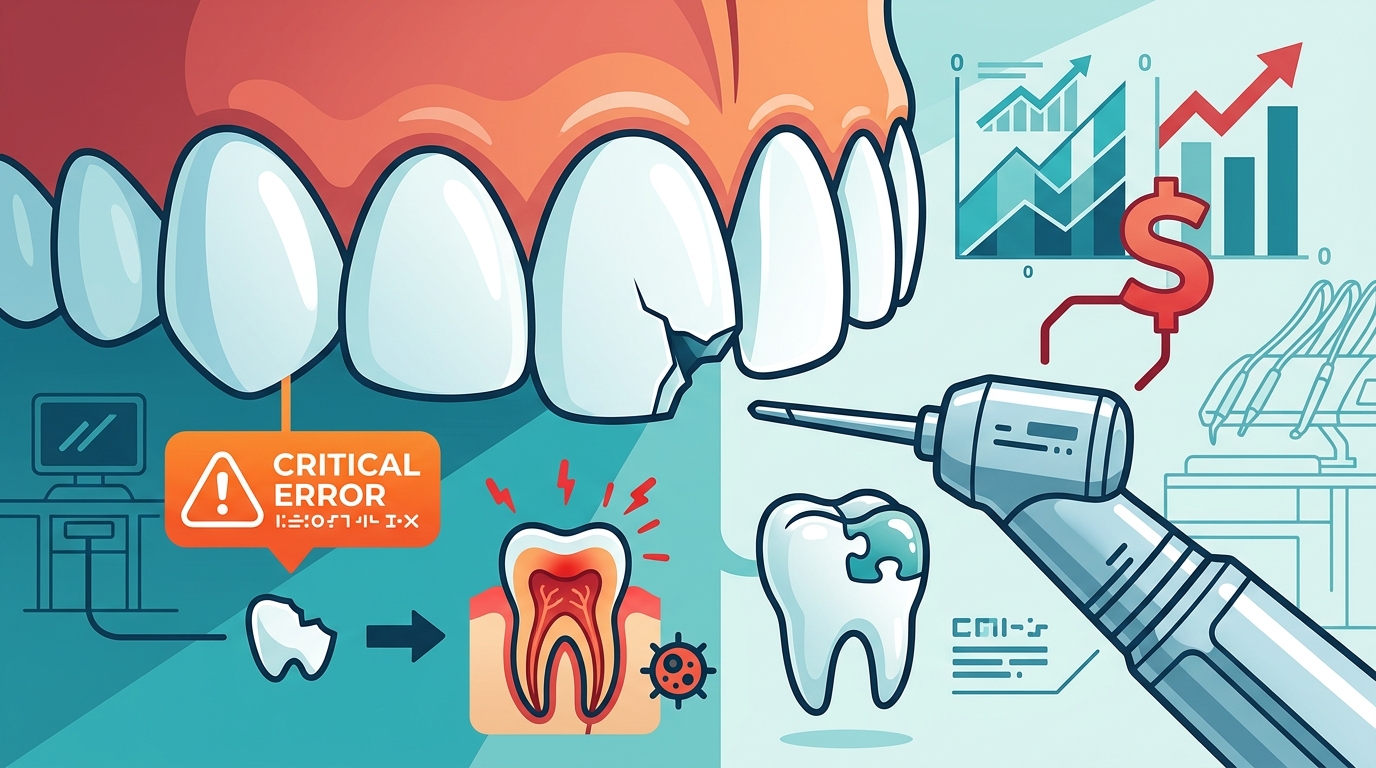
Ignoring a chipped front tooth is a critical error that can escalate minor enamel damage into severe structural failure. According to the American Association of Endodontists, approximately 20 million adults in the United States have chipped or broken front teeth. This statistic highlights the prevalence of the issue and the urgent need for professional intervention. Delaying treatment often leads to increased sensitivity, risk of infection, and higher restoration costs. Understanding the correct repair pathway is essential for preserving your natural dental architecture and achieving a seamless aesthetic result.
Why Delaying Treatment is Dangerous
Many patients wait weeks or months to address a chipped tooth, believing it will heal on its own. Teeth do not regenerate enamel. Once the protective outer layer is compromised, the underlying dentin and pulp become exposed to bacteria and temperature changes. This exposure leads to rapid decay and potential nerve damage. The longer you wait, the more complex the required procedure becomes. What starts as a simple bonding session can evolve into a root canal and crown placement.
At EDHAK Center, we emphasize early intervention to prevent these complications. Our diagnostic protocols identify micro-fractures that are invisible to the naked eye. Catching these issues early ensures that the repair is minimally invasive and aesthetically perfect. Do not let the fear of dental visits cause you to ignore a visible chip. Prompt action preserves your natural tooth structure and saves you from extensive future treatments.
Material Selection Errors
Choosing the wrong restorative material is a common pitfall in front tooth repair. Composite bonding is a popular option for minor chips because it is cost-effective and requires minimal tooth reduction. However, it is not as durable as porcelain veneers or crowns. Composite materials can stain over time and may chip again under heavy biting forces. Porcelain, on the other hand, offers superior stain resistance and translucency that mimics natural enamel.
Another error is selecting a material that does not match the patient's bite dynamics. If you grind your teeth or have a deep bite, a standard composite filling may fail prematurely. Your dentist must evaluate your occlusion before recommending a material. Our dental services include a comprehensive bite analysis to ensure the chosen restoration withstands your specific chewing patterns. This personalized approach prevents premature failure and ensures long-term satisfaction.
Improper Diagnosis and Planning
Skipping a thorough diagnostic phase is a critical mistake. A chipped tooth may appear superficial, but the damage could extend into the pulp chamber. Without advanced imaging, such as digital X-rays or CBCT scans, hidden fractures remain undetected. Treating a tooth with an undiagnosed crack can lead to treatment failure and persistent pain. Proper diagnosis dictates the entire treatment plan.
Furthermore, aesthetic planning is often overlooked. Front teeth are highly visible, so color matching and shape symmetry are paramount. A generic approach to restoration can result in a "white patch" that stands out against your natural teeth. At EDHAK Center, we utilize digital smile design tools to preview the outcome. This allows you to visualize the final result before any procedure begins. This collaborative planning ensures the repair blends seamlessly with your facial features and existing dentition.
Risks of Home Remedies
The internet is filled with DIY dental advice, but attempting to repair a chipped tooth at home is extremely dangerous. Using superglue, epoxy, or other non-biocompatible adhesives can cause severe tissue necrosis and permanent damage to the tooth. These substances are not designed for oral use and can release toxic chemicals. Additionally, improper filing of the tooth can alter your bite, leading to jaw pain and temporomandibular joint disorders.
Another common error is using temporary dental cement from a pharmacy as a long-term solution. While this may cover the sharp edge temporarily, it does not seal the tooth against bacteria. Moisture trapped under the temporary cement can lead to rapid decay. If you experience a chipped tooth, rinse with warm salt water and avoid chewing on that side. Visit EDHAK Center immediately for professional care. We provide safe, temporary relief measures while scheduling your definitive repair.
Cost vs. Quality Trade-offs
Choosing the lowest-cost provider is a frequent mistake that compromises the quality of the repair. Dental restoration is both a science and an art. The skill of the dentist, the quality of the materials, and the precision of the laboratory work all contribute to the final outcome. Cheap repairs often fail quickly, requiring repeat procedures that cost more in the long run. Investing in high-quality care ensures durability and aesthetic harmony.
At EDHAK Center, we prioritize value over price. Our gallery showcases numerous successful front tooth restorations that have stood the test of time. We use premium materials and advanced techniques to ensure your repair looks natural and lasts for years. While the initial investment may be higher, the long-term benefits include preserved tooth structure, improved confidence, and reduced need for future interventions. Read our blog posts for more insights on dental health and restoration quality.
Key Takeaways
- Immediate Action is Critical: Delaying treatment for a chipped tooth can lead to infection and increased complexity of repair.
- Material Matters: Composite bonding is suitable for minor chips, but porcelain may be necessary for durability and aesthetics.
- Diagnosis is Key: Advanced imaging is required to detect hidden fractures that are not visible to the naked eye.
- Avoid DIY Fixes: Home remedies like superglue can cause severe tissue damage and are never a safe alternative to professional care.
- Quality Over Cost: Investing in high-quality materials and skilled dentistry prevents costly repeat procedures.
- Personalized Planning: Digital smile design ensures the restoration matches your natural teeth and facial structure.
- Regular Check-ups: Routine visits help identify early signs of enamel wear and prevent future chipping.
Frequently Asked Questions
How long does it take to repair a chipped front tooth?
Minor composite bonding can often be completed in a single visit, typically lasting one to two hours. More complex procedures, such as porcelain veneers, may require two visits to allow for laboratory fabrication and precise fitting.
Can a chipped tooth heal on its own?
No, teeth cannot regenerate enamel or heal themselves. Once the structure is compromised, it requires professional intervention to prevent further damage and restore function.
What is the difference between bonding and veneers?
Bonding uses a composite resin material applied directly to the tooth, making it less expensive and reversible. Veneers are thin, custom-made shells of porcelain that cover the front surface, offering superior aesthetics and durability but requiring more tooth preparation.
Is it painful to repair a chipped tooth?
Most repairs are performed under local anesthesia, ensuring you feel no pain during the procedure. Post-operative sensitivity is common but usually subsides within a few days. Our FAQ page provides more details on pain management.
How can I prevent my front teeth from chipping again?
Wear a night guard if you grind your teeth, avoid biting hard objects like ice or pens, and maintain good oral hygiene to keep enamel strong. Regular dental check-ups also help identify risk factors early.
What should I do if I lose a piece of my tooth?
Save the piece if possible and bring it to your dentist. While it may not be reattachable, it can help your dentist match the color and shape of the restoration. Rinse your mouth with warm water and seek professional care immediately.
How long do composite bonding repairs last?
With proper care, composite bonding can last between three to ten years. Factors such as oral hygiene, diet, and biting habits influence the longevity of the repair. Regular maintenance can extend its lifespan significantly.
Schedule Your Consultation
Do not let a chipped front tooth affect your confidence or health. The mistakes outlined above are common, but they are entirely avoidable with the right professional guidance. At EDHAK Center, we provide expert care tailored to your unique needs. Our team is dedicated to restoring your smile with precision and artistry. Contact us today to book your appointment and take the first step toward a healthy, beautiful smile.