

A chipped front tooth is one of the most common dental emergencies, affecting millions of people annually. According to data from the American Association of Endodontists, dental trauma is a frequent cause of tooth loss in adults, with chipping being the most prevalent form of injury. The aesthetic impact of a damaged anterior tooth can significantly affect self-confidence and social interactions, making the choice of repair method critical. This guide outlines the essential clinical and aesthetic criteria to help you select the optimal treatment path for your specific dental situation.
Assessing the Extent of the Chip
Before selecting a repair method, a precise diagnosis is required. The severity of the chip determines the viability of conservative treatments versus more invasive restorations. Dental professionals categorize chips based on the involvement of enamel, dentin, and the pulp chamber.
Enamel-only chips are often minor and may only require smoothing or bonding. However, if the chip extends into the dentin, the tooth becomes sensitive to temperature and pressure. In severe cases where the pulp is exposed, root canal therapy may be necessary before any cosmetic repair can be attempted. At Edhak Center, we utilize advanced digital imaging to assess the depth of the fracture and ensure the underlying tooth structure is healthy.
Another critical factor is the location of the chip. Anterior teeth bear less force than molars, making them ideal candidates for aesthetic repairs like composite bonding or porcelain veneers. However, if the chip compromises the structural integrity of the tooth, a crown may be the only safe option to prevent further fracture.
Comparison of Repair Modalities
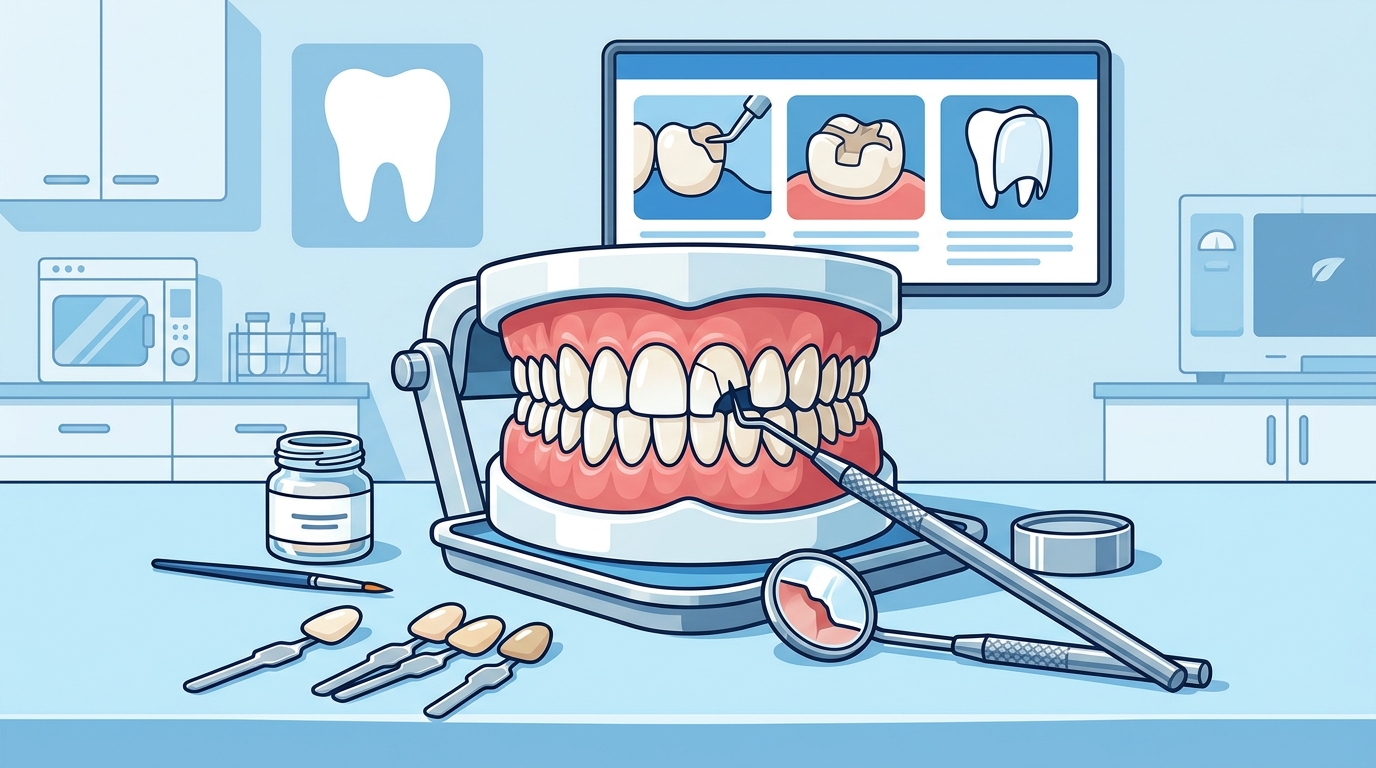
There are three primary methods for repairing chipped front teeth: composite bonding, porcelain veneers, and dental crowns. Each method offers distinct advantages and limitations regarding aesthetics, durability, and cost.
Composite bonding involves applying a tooth-colored resin material to the damaged area. It is a minimally invasive procedure that can often be completed in a single visit. Porcelain veneers are thin shells of ceramic that are custom-made to cover the front surface of the tooth. They offer superior stain resistance and longevity compared to bonding. Dental crowns, or caps, encase the entire tooth and are reserved for cases where significant structural damage has occurred.
Understanding the differences between these options is vital for making an informed decision. For a deeper dive into our specific bonding techniques, please visit our Cosmetic Dentistry page.
Veneers vs. Bonding: A Detailed Look
The debate between porcelain veneers and composite bonding is common among patients seeking aesthetic improvements. Veneers are often considered the gold standard for front tooth repair due to their ability to mimic the light-reflecting properties of natural enamel. They are highly resistant to staining from coffee, tea, and wine, making them a durable long-term solution.
Composite bonding, on the other hand, is a more accessible and affordable option. It allows for immediate results and can be easily repaired if minor damage occurs in the future. However, bonding material is more porous and prone to discoloration over time, typically requiring replacement every five to seven years. Veneers, when properly cared for, can last ten to fifteen years or longer.
The choice often depends on the extent of the chip and the patient's budget. For minor chips, bonding is often sufficient. For larger defects or discoloration, veneers provide a more comprehensive aesthetic transformation. You can explore our Before and After Gallery to see real-world examples of both treatments.
Cost and Longevity Factors
Financial considerations play a significant role in the decision-making process. Composite bonding is generally the most cost-effective option, with prices varying based on the complexity of the repair. Porcelain veneers are a higher investment but offer greater durability and aesthetic stability.
Longevity is another key criterion. While bonding is less invasive, it is not as durable as porcelain. Patients who consume hard foods or have habits like nail-biting may find that bonding chips more frequently. Veneers are bonded to the tooth with strong dental cement, providing a robust seal against bacteria and decay.
It is important to consider the long-term value of each option. While veneers have a higher upfront cost, their longevity and resistance to staining may make them more economical over time. For detailed pricing information, please review our Treatment Costs guide.
When to Seek Immediate Care
If you have recently chipped your tooth, time is of the essence. The longer you wait, the higher the risk of infection or further damage. If the chip is sharp, it can cut your tongue or cheek, causing discomfort and potential infection. Additionally, if the tooth is sensitive to hot or cold, it may indicate nerve exposure.
At Edhak Center, we prioritize urgent dental care to address these issues promptly. Early intervention can often preserve more of the natural tooth structure, allowing for less invasive repair options. Do not attempt to fix a chipped tooth with over-the-counter kits, as these can cause further damage and complicate professional treatment.
Key Takeaways
- Assessment is Critical: The depth of the chip determines whether bonding, veneers, or a crown is necessary.
- Bonding for Minor Chips: Composite bonding is ideal for small chips and offers immediate, affordable results.
- Veneers for Aesthetics: Porcelain veneers provide superior stain resistance and longevity for larger defects.
- Crowns for Structural Integrity: Dental crowns are required when the tooth structure is significantly compromised.
- Timely Intervention: Seek professional care immediately to prevent infection and preserve tooth structure.
- Long-Term Value: Consider the lifespan and maintenance costs of each option when making a financial decision.
- Professional Diagnosis: Only a dental professional can accurately determine the best repair method for your specific case.
Frequently Asked Questions
How long does composite bonding last?
Composite bonding typically lasts between five and seven years, depending on oral hygiene habits and dietary choices. It may require touch-ups over time to maintain its aesthetic appearance.
Are porcelain veneers reversible?
No, the process of placing veneers usually requires the removal of a small amount of enamel from the natural tooth. This makes the procedure irreversible, and the tooth will always require a restoration.
Can a chipped tooth heal on its own?
No, teeth cannot heal or regenerate themselves. Once enamel is chipped, it must be repaired by a dental professional to prevent further damage and sensitivity.
Is bonding painful?
Composite bonding is generally painless and does not require anesthesia unless the chip is deep and near the nerve. The procedure is minimally invasive and comfortable for most patients.
How much does a veneer cost?
The cost of a veneer varies based on the material and the complexity of the case. Generally, veneers are more expensive than bonding but offer greater durability and aesthetic benefits. Contact Edhak Center for a personalized quote.
What should I do if I lose a piece of my tooth?
If you can find the broken piece, bring it to your dentist. In some cases, it can be reattached. Otherwise, seek immediate care to prevent infection and preserve the tooth structure.
Can veneers be whitened?
No, porcelain veneers cannot be whitened with traditional bleaching agents. If you wish to whiten your teeth, it should be done before the veneers are placed to ensure a matching shade.
Schedule Your Consultation
Choosing the right repair method for your chipped front tooth requires a professional evaluation of your dental health and aesthetic goals. At Edhak Center, we are dedicated to providing high-quality, personalized care to restore your smile. Contact us today to schedule a consultation and take the first step towards a confident, healthy smile.