

A chipped tooth is one of the most common dental emergencies, affecting millions of people annually. According to the American Dental Association, nearly 25% of adults have experienced a chipped or broken tooth at some point in their lives. This statistic highlights that dental trauma is not a rare anomaly but a frequent occurrence in daily life. Whether caused by a fall, biting down on hard food, or an unexpected accident, a chipped tooth requires immediate attention to prevent further damage and infection. At EDHAK Center in Banha, Egypt, we understand the urgency and anxiety that accompanies dental injuries. Our team is dedicated to providing rapid, high-quality care to restore your smile and oral health.
Immediate Steps to Take After a Chip
When a tooth chips, the first few minutes are critical. Your immediate response can significantly influence the outcome of the repair and your overall comfort. The enamel, which is the hard, protective outer layer of your tooth, does not contain nerves. However, the inner layers do. Therefore, even a small chip can expose sensitive areas to air, food, and bacteria.
Preserve any tooth fragments. If you can find the broken piece of your tooth, rinse it gently with water and keep it moist in milk or saliva. In some cases, a dentist may be able to reattach the fragment, especially if the chip is recent and the piece is intact. This is particularly relevant for composite bonding procedures where natural tooth structure is valuable.
Rinse your mouth with warm salt water to clean the area and reduce the risk of infection. If there is bleeding, apply gentle pressure with a clean cloth or gauze. Applying a cold compress to the outside of your cheek can help reduce swelling and numb pain. Avoid chewing on the affected side to prevent further damage. Finally, contact a dental professional immediately. At EDHAK Center, we prioritize emergency cases to ensure you receive timely care.
Understanding the Severity of Tooth Chips
Not all chipped teeth are created equal. The severity of the chip determines the treatment path and the urgency of care. Dentists typically classify tooth chips into three main categories based on the depth of the damage and the involvement of the tooth's internal structures.
Enamel-only chips are the least severe. These chips affect only the outer white layer of the tooth. While they may not cause immediate pain, they can lead to sensitivity and rough edges that irritate the tongue and cheeks. If left untreated, the rough edge can weaken the tooth further, leading to larger fractures.
Dentin exposure occurs when the chip penetrates the enamel and reaches the yellowish layer beneath. This layer contains microscopic tubules that lead to the nerve. Consequently, exposure to hot, cold, or sweet stimuli can cause sharp pain. This stage requires prompt professional attention to protect the nerve from infection.
Pulp exposure is the most serious scenario. This happens when the chip is deep enough to expose the soft tissue inside the tooth, which contains nerves and blood vessels. This condition is extremely painful and poses a high risk of infection. It often requires root canal therapy or extraction if the tooth cannot be saved. According to dental research, untreated pulp exposure can lead to abscess formation within days. For more details on dental emergencies, visit our FAQ section.
Professional Treatment Options for Chipped Teeth
At EDHAK Center, we offer a range of restorative treatments tailored to the specific needs of each patient. The goal is always to restore function, aesthetics, and long-term oral health. Our services are designed to handle everything from minor cosmetic imperfections to complex structural repairs.
Dental bonding is a popular solution for minor to moderate chips. This procedure involves applying a tooth-colored composite resin to the damaged area. The resin is shaped to match the natural contour of your tooth and hardened with a special light. Bonding is quick, affordable, and often completed in a single visit. It is ideal for repairing small chips and cracks that do not affect the tooth's structural integrity significantly. Learn more about our dental services to see how bonding fits your needs.
Dental veneers are thin, custom-made shells of porcelain that cover the front surface of the tooth. Veneers are an excellent option for more significant chips, discoloration, or misalignment. They provide a highly natural appearance and are resistant to stains. While veneers are more expensive than bonding, they offer durability and a long-lasting aesthetic improvement. Our team at EDHAK Center ensures that each veneer is crafted to blend seamlessly with your natural teeth.
Dental crowns are used when a tooth is severely damaged or weakened. A crown is a cap that completely encircles the visible portion of the tooth above the gum line. Crowns restore the tooth's shape, size, strength, and appearance. They are typically made from porcelain, ceramic, or metal alloys. If a chip has compromised the tooth's structure, a crown provides the necessary protection to prevent further fracture. We also maintain a gallery of our work to demonstrate the quality of our restorations.
Comparison of Repair Methods
Choosing the right treatment depends on several factors, including the extent of the damage, your budget, and your aesthetic goals. The table below provides a clear comparison of the most common repair methods available at our clinic in Banha.
| Treatment Method | Best For | Duration | Cost Level | Longevity |
|---|---|---|---|---|
| Dental Bonding | Minor chips, small cracks | 30-60 minutes | Low | 3-10 years |
| Veneers | Moderate to severe chips, discoloration | 2-3 visits | High | 10-15 years |
| Crowns | Severe damage, structural weakness | 2 visits | High | 10-15+ years |
| Root Canal + Crown | Pulp exposure, infection risk | 2-3 visits | Very High | 15+ years |
Each option has distinct advantages. Bonding is the most conservative and cost-effective. Veneers offer superior aesthetics for front teeth. Crowns provide maximum strength for back teeth. Our dentists will evaluate your specific case to recommend the most appropriate path. You can read more insights on our blog about dental restoration techniques.
Preventing Future Dental Trauma
Prevention is always better than cure. While accidents can happen, there are several strategies to reduce the risk of chipping your teeth. One of the most effective methods is wearing a mouthguard during sports. Custom-fitted mouthguards provide superior protection compared to over-the-counter options. They absorb impact and prevent direct trauma to the teeth.
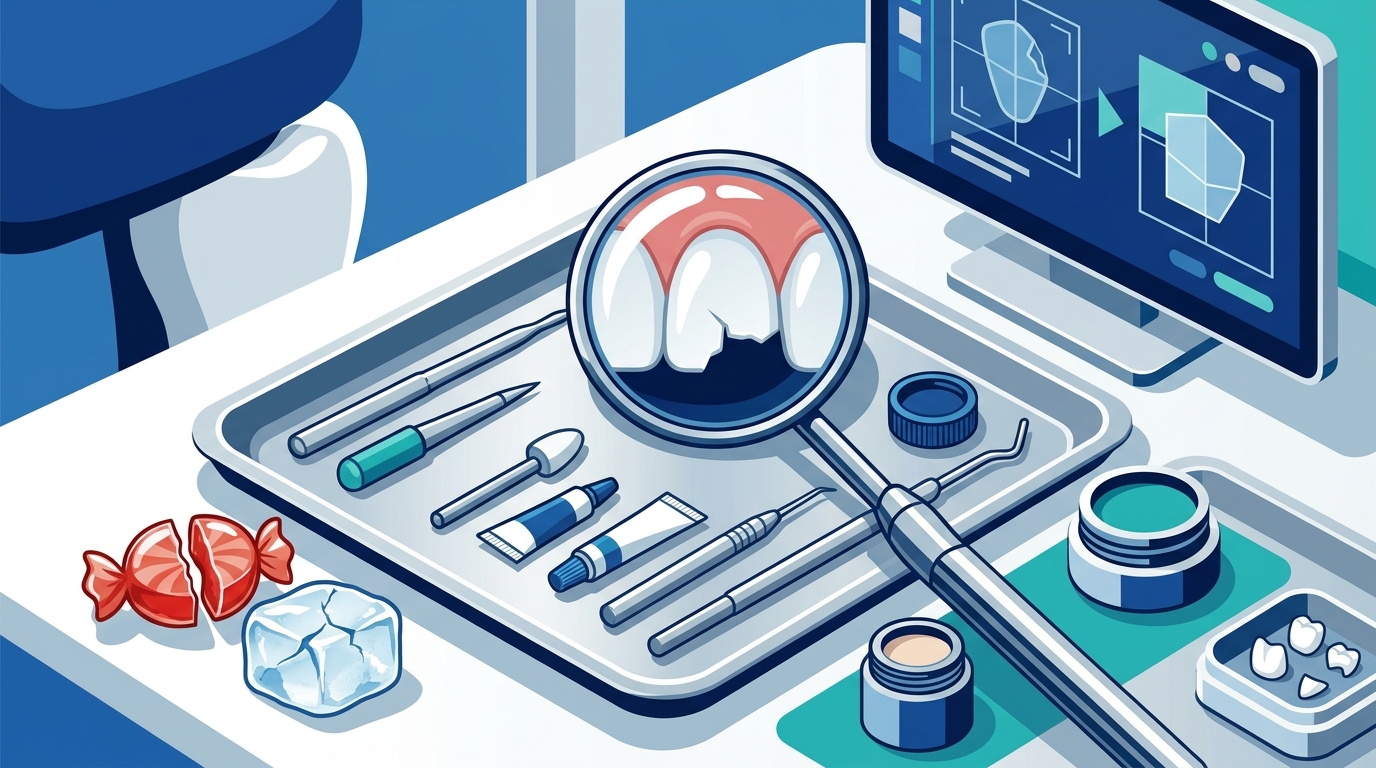
Avoid chewing on hard objects such as ice, pens, or hard candy. These habits place excessive pressure on the enamel, leading to micro-fractures that can develop into chips. If you grind your teeth at night, a condition known as bruxism, consider wearing a night guard. Bruxism can weaken teeth over time, making them more susceptible to chipping. Regular dental check-ups are also essential. Our team at EDHAK Center can identify weak spots in your teeth before they become serious problems.
Key Takeaways
- Immediate Action: Rinse with salt water, preserve fragments, and apply cold compresses to reduce swelling.
- Severity Matters: Chips can range from enamel-only damage to pulp exposure, each requiring different levels of urgency.
- Bonding for Minor Chips: Dental bonding is a quick, affordable solution for small chips and cracks.
- Veneers for Aesthetics: Porcelain veneers offer a durable, natural-looking repair for moderate to severe damage.
- Crowns for Strength: Dental crowns are necessary for severely damaged teeth to restore structural integrity.
- Prevention is Key: Mouthguards and avoiding hard foods can significantly reduce the risk of future dental trauma.
- Professional Care: Always consult a dentist at EDHAK Center for an accurate diagnosis and treatment plan.
Frequently Asked Questions
How long does it take to fix a chipped tooth?
Minor chips can often be repaired with dental bonding in a single visit, typically taking 30 to 60 minutes. More complex repairs, such as veneers or crowns, may require two or more visits to ensure proper fit and aesthetics.
Can a chipped tooth heal on its own?
No, teeth cannot heal themselves. Once the enamel is chipped, it does not regenerate. Professional treatment is required to restore the tooth's structure and prevent further damage or infection.
Is dental bonding painful?
Dental bonding is generally painless. The dentist may use a local anesthetic to numb the area if the chip is near the gum line or if the tooth is sensitive. Most patients report minimal discomfort during the procedure.
How much does it cost to repair a chipped tooth?
The cost varies depending on the treatment method. Bonding is the most affordable option, while veneers and crowns are more expensive due to the materials and laboratory work involved. Contact EDHAK Center for a personalized quote.
What should I do if my chipped tooth is sharp?
If the chip has created a sharp edge, avoid touching it with your tongue or fingers. You can cover the edge with dental wax or sugarless gum temporarily to prevent irritation until you can see a dentist.
Can I eat with a chipped tooth?
It is advisable to avoid chewing on the affected side. Eating hard or sticky foods can worsen the chip or cause pain if the nerve is exposed. Stick to soft foods until you receive professional care.
How can I prevent chipping my teeth?
Wear a mouthguard during sports, avoid chewing on hard objects, and wear a night guard if you grind your teeth. Regular dental check-ups can also help identify and address weak spots early.
Contact EDHAK Center
Do not wait for a chipped tooth to become a major problem. Early intervention can save your tooth and prevent costly treatments down the line. EDHAK Center in Banha, Egypt, is here to provide expert dental care with compassion and precision. Our team is ready to assess your condition and create a personalized treatment plan. Visit our contact page to book an appointment today. Restore your smile and your confidence with professional care from EDHAK Center.