

What is bone grafting and how does it prepare your jaw for dental implants?
Bone grafting is a surgical procedure that adds bone material to your jaw to build volume and density. This process creates a stable foundation for dental implants. Without sufficient bone, implants cannot integrate properly with the jaw. At EDHAK Center, we use advanced grafting techniques to ensure long-term implant success for patients in Banha.
The Biological Basis of Bone Grafting
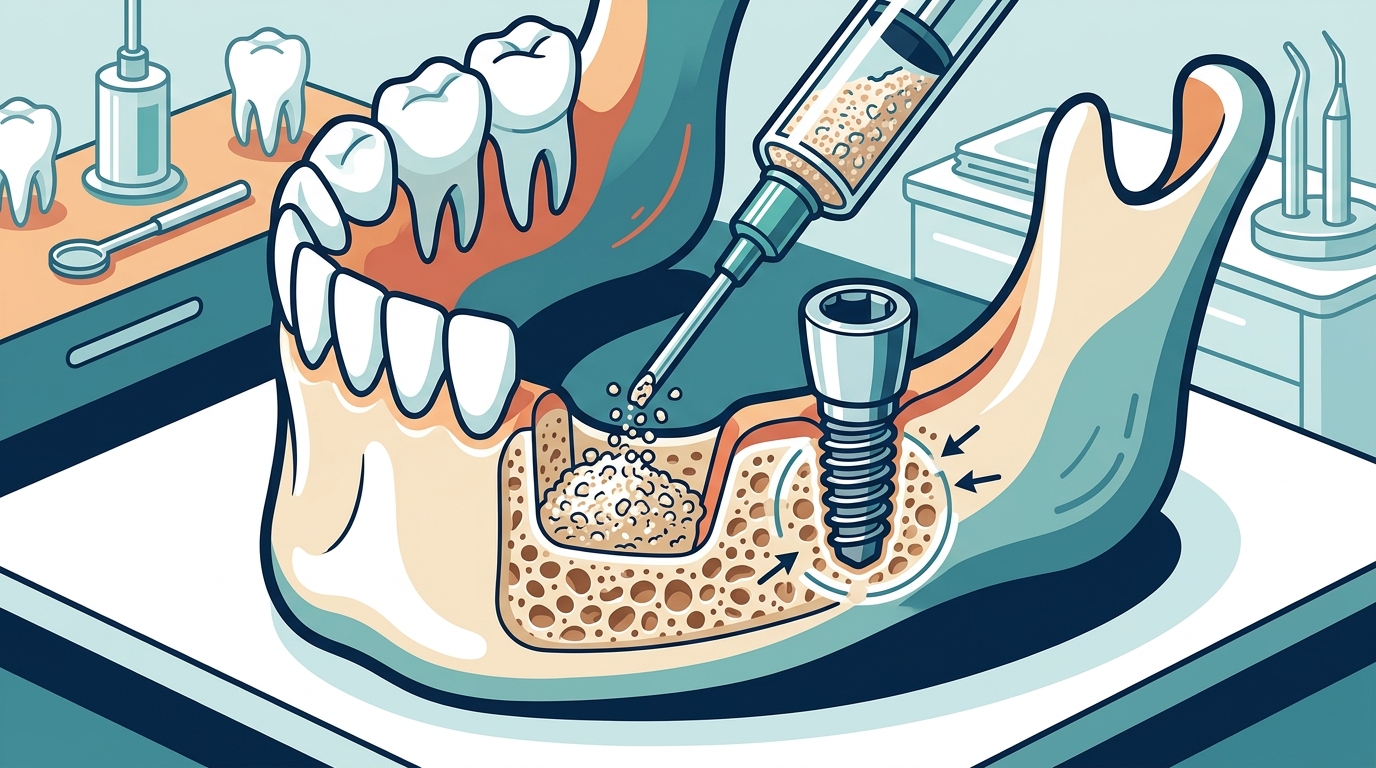
Bone grafting is the process of placing biocompatible material into a deficient area of the jawbone. The body recognizes this material as a scaffold for new bone growth. This biological response is known as osteoconduction. The graft material guides the patient's own cells to regenerate healthy bone tissue.
When teeth are lost, the jawbone begins to resorb or shrink. This happens because the bone no longer receives the mechanical stimulation from chewing. Over time, the ridge becomes too thin to support an implant. Grafting reverses this loss by rebuilding the necessary structural support.
At EDHAK Center, we assess bone density using 3D imaging before planning any procedure. This ensures the graft is placed precisely where needed. The goal is to restore the jaw to its original dimensions. This preparation is critical for the stability of the final restoration.
Types of Graft Materials Used
Dental bone grafts are categorized by their source and biological properties. Autografts use bone harvested from another part of the patient's body. Allografts use processed bone from a human donor. Xenografts use bone from a different species, such as bovine. Alloplasts are synthetic materials made in a laboratory.
Our team at EDHAK Center selects the graft material based on individual needs. We prioritize materials that integrate well with existing bone. This approach minimizes healing time and maximizes stability. The right material ensures the implant bed is robust enough to handle daily chewing forces.
The Surgical Process and Healing Timeline
The bone grafting procedure is typically performed under local anesthesia. The surgeon exposes the deficient area and places the graft material. The site is then covered with a protective membrane. This membrane prevents soft tissue from growing into the graft site. It allows the bone to heal undisturbed.
Healing takes time because new bone must form and mature. This process usually takes between four and nine months. During this period, the graft material is gradually replaced by living bone. The patient must follow strict aftercare instructions to protect the site. Avoiding pressure on the area is essential for successful integration.
Once the bone has healed, we take new scans to verify density. If the bone is sufficient, we proceed with implant placement. If more time is needed, we wait until the bone is fully mature. This patience ensures the implant has a solid foundation. Rushing this step can lead to implant failure.
Why Grafting is Critical for Implant Success
Dental implants require a minimum amount of bone width and height. If the jaw is too thin, the implant will not achieve primary stability. Primary stability is the initial mechanical lock between the implant and bone. Without it, the implant may move during healing. This movement prevents osseointegration, the process where bone fuses to the implant.
Grafting ensures the implant has enough surrounding bone to stay in place. It also protects the implant from excessive stress. A well-grafted site distributes chewing forces evenly. This reduces the risk of fracture or loosening over time. The long-term survival rate of implants is significantly higher when proper bone support is present.
At EDHAK Center, we view grafting as an investment in longevity. It is not just a cosmetic fix but a structural necessity. By preparing the jaw correctly, we ensure the implant lasts for decades. This comprehensive approach is part of our commitment to patient-centered care in Banha.
Key Takeaways
- Bone grafting is a surgical procedure that rebuilds lost jawbone volume.
- Healing typically takes four to nine months before implant placement.
- Proper grafting prevents implant failure by ensuring primary stability.
- 3D imaging is essential for planning the precise amount of graft needed.
Frequently Asked Questions
Does bone grafting hurt?
The procedure is performed under anesthesia, so you feel no pain during surgery. Afterward, you may experience some swelling and discomfort. This is manageable with prescribed pain medication. Most patients return to normal activities within a few days.
How long does the graft take to heal?
Healing time varies based on the size of the graft. Small grafts may heal in four months. Larger grafts can take up to nine months. Your dentist will monitor the healing process with regular X-rays.
Can I eat normally after the procedure?
You should stick to a soft diet for the first few weeks. Avoid chewing on the side of the graft. Hard or crunchy foods can dislodge the graft material. Follow your dentist's specific dietary guidelines.
Is bone grafting safe?
Yes, bone grafting is a safe and well-established procedure. Complications are rare when performed by an experienced surgeon. The benefits of a stable implant far outweigh the minor risks.
Do I need a graft if I lost my tooth recently?
It depends on the amount of bone loss. If the socket is intact, a small graft may be placed immediately. If significant bone has resorbed, a larger graft is needed. A 3D scan will determine the best approach.
Next Steps for Your Implant Journey
Understanding bone grafting is the first step toward a successful smile. If you are missing teeth or have thin jawbones, a consultation is essential. Our team at EDHAK Center will evaluate your bone structure and discuss your options. We are dedicated to providing high-quality, patient-centered care in Banha. To begin your journey, to schedule an appointment.