

A chipped front tooth is a sudden dental emergency that affects both function and confidence. According to the American Association of Endodontists, approximately 25 percent of adults have experienced a chipped or broken tooth at some point in their lives. This statistic highlights that dental trauma is a common occurrence, yet many people hesitate to seek immediate care. Understanding the difference between temporary home management and definitive professional repair is critical for preserving your dental health.
Immediate Home Steps for Stability
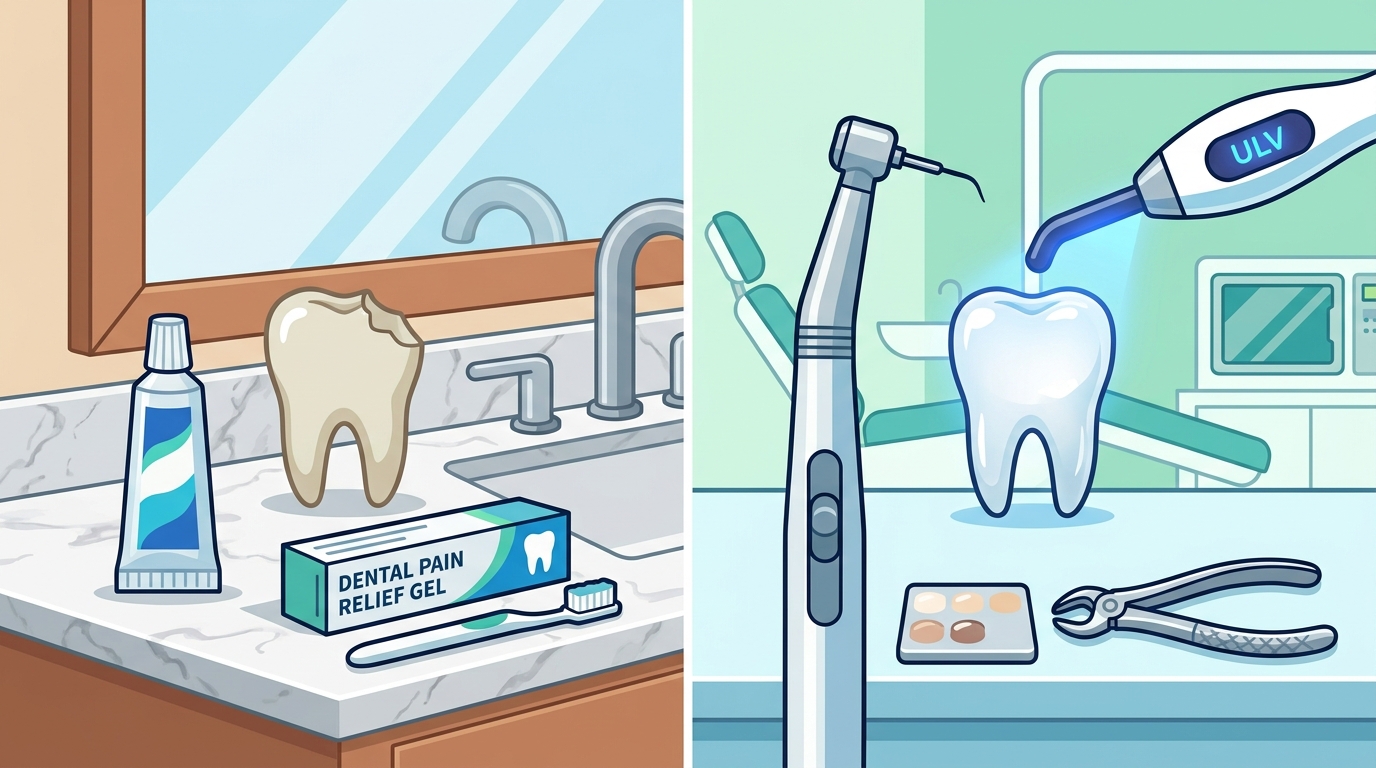
When a chip occurs, the first few hours are crucial for preventing further damage or infection. You must act quickly but calmly. The primary goal at home is not to fix the tooth permanently but to stabilize the situation until you can visit a dental clinic.
Cleaning and Disinfection
Rinse your mouth thoroughly with warm salt water. This simple action helps clean the area and reduces the risk of bacterial infection. Avoid using harsh mouthwashes containing alcohol, as they can irritate the exposed dentin or pulp. If you have the broken fragment, try to locate it. Rinse it gently with water and keep it moist in milk or saliva. While reattachment is rare for large chips, saving the piece allows your dentist to analyze the fracture pattern.
Pain Management and Protection
If the chip exposes the inner layers of the tooth, you may experience sensitivity to hot or cold temperatures. Apply a cold compress to the outside of your cheek near the affected area to reduce swelling and numb the pain. Over-the-counter pain relievers can help manage discomfort temporarily. Avoid chewing on the affected side entirely. Hard or sticky foods can exacerbate the crack or dislodge any temporary filling material if present.
For more detailed guidance on emergency protocols, you can review the dental FAQ section on our website. These steps are temporary measures only. They do not replace professional evaluation. Ignoring a chipped tooth can lead to nerve damage or abscess formation over time.
Assessing the Severity of the Chip
Not all chips are created equal. The treatment path depends entirely on the depth and location of the fracture. Dentists categorize dental trauma based on which layers of the tooth are involved. Understanding these categories helps you communicate effectively with your provider.
Enamel-Only Chips
Enamel is the hard, outermost layer of the tooth. If the chip is small and only affects the enamel, you might not feel any pain. However, the rough edge can irritate your tongue or cheeks. This type of damage is purely cosmetic but still requires smoothing or bonding to prevent further cracking. Mayo Clinic notes that enamel chips are common and often result from biting hard foods.
Dentin Exposure
Dentin lies beneath the enamel and contains microscopic tubes that lead to the nerve. If the chip exposes dentin, you will likely feel sensitivity to temperature changes. The tooth may appear yellowish where the enamel is missing. This stage requires prompt attention to protect the nerve from irritation. Without treatment, bacteria can travel through the dentin tubes toward the pulp.
Pulp Exposure
If the chip is large enough to expose the pulp, the innermost part of the tooth containing nerves and blood vessels, the situation becomes urgent. You may experience significant pain and bleeding. This is a serious condition that requires immediate root canal therapy or other advanced interventions. Delaying treatment can result in the loss of the tooth. For a deeper understanding of dental anatomy, visit our about page to learn about our clinical approach.
Professional Repair Options Explained
Once you have stabilized the area at home, professional repair is the only way to restore function and aesthetics. At EDHAK Center, we utilize advanced techniques to repair chipped teeth effectively. The choice of treatment depends on the extent of the damage and your aesthetic goals.
Dental Bonding
Dental bonding is the most common solution for minor to moderate chips. This procedure involves applying a tooth-colored composite resin to the damaged area. The dentist shapes the resin to match the natural contour of your tooth and hardens it with a special light. Bonding is quick, often completed in a single visit, and preserves most of the natural tooth structure. It is an excellent option for repairing small chips on front teeth. You can view before and after results of similar cases in our gallery.
Porcelain Veneers
For more extensive damage or when a more dramatic aesthetic improvement is desired, porcelain veneers are the superior choice. A veneer is a thin, custom-made shell of porcelain that covers the front surface of the tooth. They are highly resistant to stains and mimic the light-reflecting properties of natural enamel. Veneers require two visits. The first visit involves preparing the tooth and taking impressions. The second visit involves bonding the permanent veneer. This option provides long-lasting durability and a flawless appearance.
Dental Crowns
If the chip is severe and compromises the structural integrity of the tooth, a crown may be necessary. A crown caps the entire visible portion of the tooth. It restores strength and function while improving appearance. Crowns are typically made from porcelain-fused-to-metal or all-ceramic materials. This option is ideal for teeth that have undergone root canal therapy or have significant loss of structure. Learn more about our comprehensive dental services to see how we tailor treatments to individual needs.
Comparison of Treatment Modalities
Choosing the right repair method requires weighing several factors. The table below summarizes the key differences between the primary professional options for chipped front teeth.
| Treatment Type | Best For | Duration | Longevity | Cost Range |
|---|---|---|---|---|
| Dental Bonding | Minor chips, small cracks | 30-60 minutes | 3-10 years | Low to Moderate |
| Porcelain Veneers | Discoloration, moderate chips, gaps | 2 visits | 10-15 years | Moderate to High |
| Dental Crowns | Severe damage, root canal cases | 2 visits | 10-20 years | High |
Each option has distinct advantages. Bonding is cost-effective and minimally invasive. Veneers offer superior aesthetics and stain resistance. Crowns provide maximum strength for compromised teeth. Your dentist will evaluate the fracture depth and your oral health history to recommend the best path. For personalized advice, contact our clinic to schedule a consultation.
Key Takeaways
- Immediate Action: Rinse with salt water and save any tooth fragments in milk for potential reattachment analysis.
- Pain Management: Use cold compresses and over-the-counter pain relievers to manage sensitivity until professional care is received.
- Enamel Chips: Small chips affecting only enamel are often painless but require smoothing to prevent further damage.
- Dentin Exposure: Sensitivity to temperature indicates dentin exposure, requiring prompt bonding or restoration to protect the nerve.
- Pulp Exposure: Bleeding and severe pain signal pulp exposure, necessitating urgent root canal therapy or extraction.
- Bonding vs. Veneers: Bonding is ideal for minor repairs, while veneers offer better aesthetics for moderate damage.
- Crowns for Strength: Crowns are necessary when the tooth structure is significantly compromised to prevent fracture.
Frequently Asked Questions
Can I glue my chipped tooth back at home?
No, you should never attempt to glue a chipped tooth back with household adhesives. These substances are toxic and can cause severe tissue damage. Only a dentist can safely reattach fragments using medical-grade bonding agents.
How long does dental bonding last?
Dental bonding typically lasts between three and ten years, depending on oral hygiene and habits like biting nails or chewing ice. Regular checkups can extend its lifespan.
Is a chipped tooth an emergency?
It depends on the severity. If there is pain, bleeding, or sharp edges cutting the tongue, it is an urgent matter. Minor chips without pain should still be addressed within a few days to prevent infection.
Will a chipped tooth heal on its own?
No, teeth cannot regenerate or heal themselves. Once enamel or dentin is lost, it must be restored professionally. Ignoring the chip can lead to larger fractures or nerve damage.
Are veneers stronger than bonding?
Yes, porcelain veneers are generally stronger and more durable than composite bonding. They are less prone to staining and chipping over time, making them a long-term solution for front teeth.
How much does it cost to fix a chipped tooth?
Costs vary based on the treatment type. Bonding is the most affordable option, while veneers and crowns are more expensive due to laboratory fabrication and materials. Contact us for a detailed estimate.
Can I eat normally after getting a bonded tooth?
You should avoid hard, sticky, or chewy foods for the first 24 hours. Long-term, you should still avoid biting directly into hard items like ice or hard candy to protect the bond.
Restore Your Smile Today
Do not let a chipped tooth affect your confidence or health. Professional repair is quick, effective, and restores your smile to its natural beauty. At EDHAK Center, we provide expert care tailored to your specific needs. Book an appointment with Dr. Moosa today to discuss your options and take the first step toward a complete recovery.