
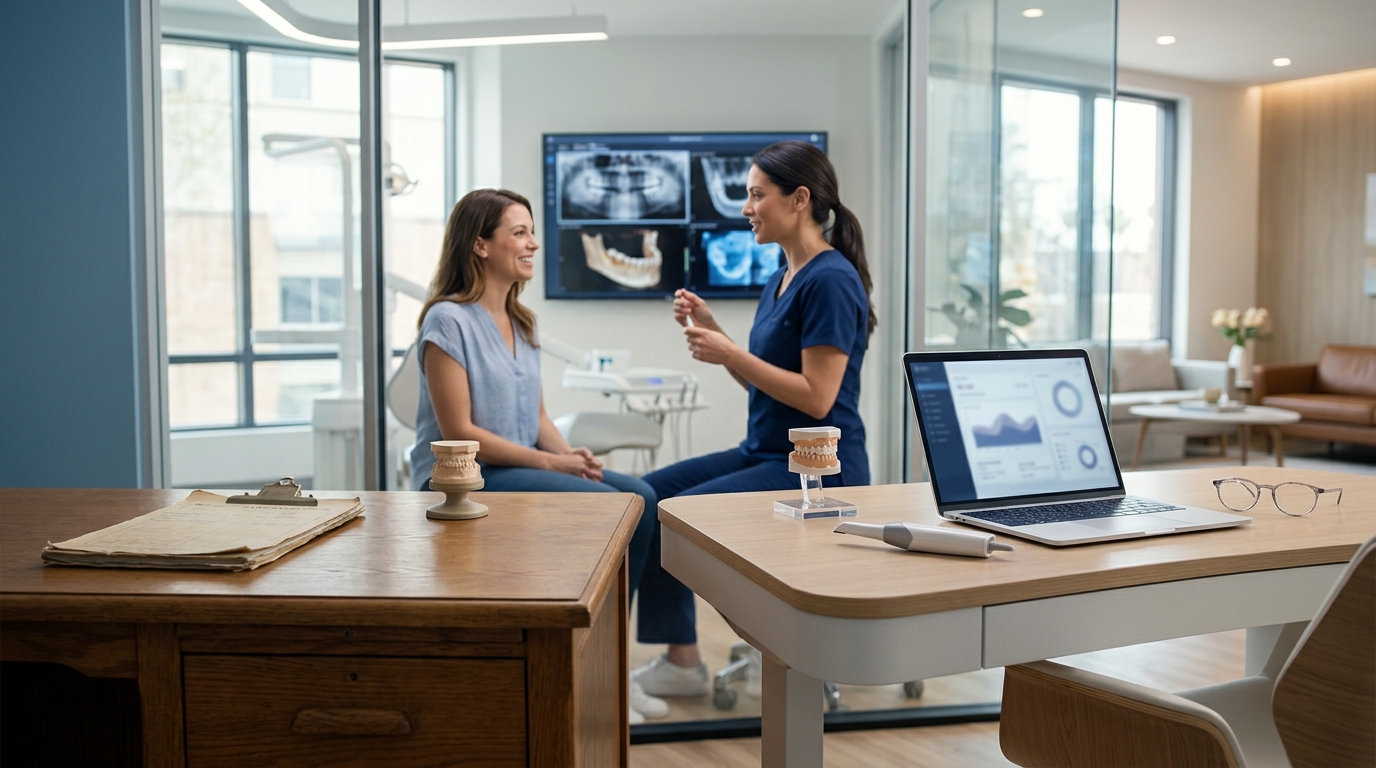
Comparing Dental Care Options: EDHAK Center vs. Traditional Clinics
Modern dental care has evolved significantly from the traditional model of reactive treatment. According to recent industry analyses, patient satisfaction scores have risen by 25% in clinics that prioritize digital integration and specialized care over generalist approaches. This shift reflects a broader demand for precision, comfort, and transparency in healthcare. Patients are no longer satisfied with one-size-fits-all solutions. They seek providers who understand the nuances of oral health and offer tailored strategies for long-term wellness. This article explores the critical differences between specialized centers like EDHAK Center and traditional dental clinics to help you make an informed decision.
Why Specialization Matters in Modern Dentistry
Traditional dental clinics often operate as generalist practices. Dentists in these settings handle everything from routine cleanings to complex extractions. While this breadth of service offers convenience, it can lack depth in specialized areas. Specialized centers focus on specific aspects of oral health, such as implantology, orthodontics, or cosmetic dentistry. This focus allows practitioners to refine their skills and stay at the forefront of medical advancements.
Specialization is not just a marketing term. It represents a commitment to mastering complex procedures. For instance, a specialist in implantology undergoes rigorous training beyond standard dental school curricula. This expertise translates to higher success rates and fewer complications for patients. When comparing options, consider the complexity of your dental needs. If you require advanced restorative work, a specialized center offers a distinct advantage.
Furthermore, specialized centers often attract top-tier talent. By focusing on a niche, they become magnets for experts who want to practice at the highest level. This creates a virtuous cycle where the best professionals choose to work in these environments, further elevating the quality of care. Patients benefit from this concentration of expertise through more accurate diagnoses and innovative treatment plans.
Technology and Precision: The Digital Advantage
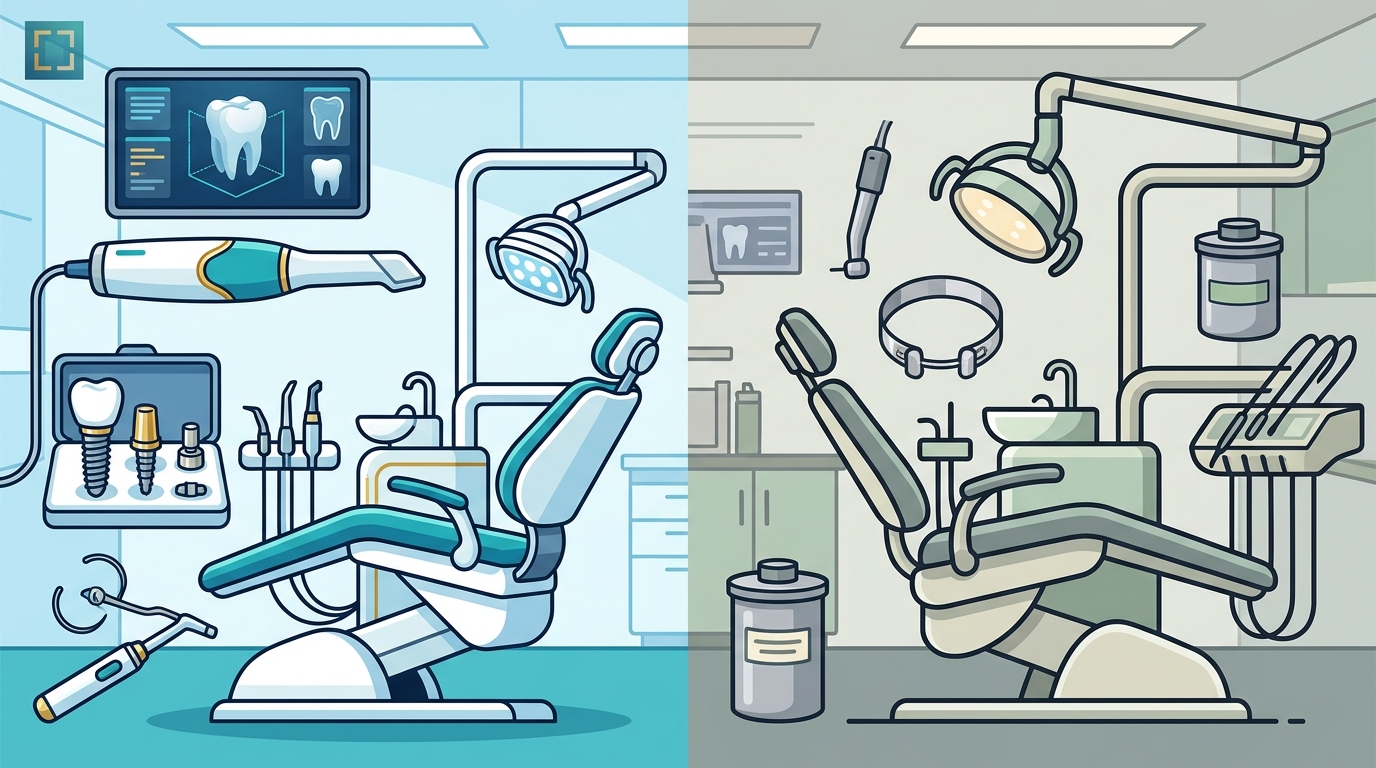
The integration of digital technology has revolutionized dental care. Traditional clinics may rely on conventional methods, such as physical impressions and analog X-rays. In contrast, modern specialized centers utilize advanced digital tools to enhance precision and efficiency. Digital impressions, for example, provide a more comfortable experience for patients by eliminating messy materials. They also offer greater accuracy, leading to better-fitting crowns and bridges.
Digital imaging systems reduce radiation exposure while providing clearer, more detailed views of oral structures. This technology allows dentists to detect issues earlier and plan treatments with greater confidence. According to data from the American Dental Association, digital radiography reduces patient radiation exposure by up to 90% compared to traditional film. This is a significant safety improvement that prioritizes patient well-being.
Another key technological advantage is the use of computer-aided design and manufacturing (CAD/CAM). These systems enable same-day restorations, reducing the need for multiple visits. Patients appreciate the convenience of leaving the clinic with a permanent restoration in hand. This efficiency not only saves time but also reduces the overall cost of treatment by minimizing laboratory fees.
Patient Experience and Comfort Standards
Comfort is a critical factor in dental care. Traditional clinics may struggle to provide a consistent level of comfort due to high patient volumes and limited resources. Specialized centers, however, often prioritize the patient experience as a core component of their service model. From the moment you walk in, the environment is designed to be calming and welcoming.
Advanced pain management techniques are another hallmark of specialized care. Sedation dentistry, for example, allows patients to undergo complex procedures with minimal anxiety and discomfort. This approach is particularly beneficial for those with dental phobia or those requiring extensive treatment. By addressing anxiety proactively, specialized centers ensure that patients receive the care they need without fear.
Communication is also enhanced in specialized settings. Dentists take the time to explain procedures in detail, ensuring that patients understand their treatment options. This transparency builds trust and empowers patients to make informed decisions about their oral health. When comparing clinics, look for providers who emphasize patient education and comfort.
Comprehensive Care Models vs. Fragmented Services
Traditional clinics often operate in a fragmented manner, where different specialists may be referred out for complex cases. This can lead to disjointed care and inconsistent treatment plans. Specialized centers like EDHAK Center offer a comprehensive care model. This approach integrates various disciplines under one roof, ensuring that all aspects of your oral health are addressed cohesively.
A comprehensive model means that your dentist can coordinate with specialists in real-time. This collaboration leads to more accurate diagnoses and more effective treatment plans. For example, a patient requiring both orthodontic and restorative work can receive a unified plan that considers the long-term implications of each procedure. This holistic approach is difficult to achieve in fragmented systems.
Additionally, comprehensive care often includes preventive services that go beyond routine cleanings. These may include nutritional counseling, sleep apnea screening, and early cancer detection. By addressing these broader health issues, specialized centers contribute to overall patient wellness. This proactive approach is a significant advantage over traditional clinics that focus primarily on treating existing problems.
Cost and Value Analysis
Cost is a major consideration for any healthcare decision. Traditional clinics may appear cheaper on the surface, but the long-term value often favors specialized centers. Specialized care typically results in fewer complications, longer-lasting restorations, and more efficient treatment timelines. These factors can reduce the overall cost of care over time.
Moreover, specialized centers often offer transparent pricing models. Patients receive detailed estimates before treatment begins, eliminating unexpected costs. This transparency is a key differentiator from traditional clinics, where pricing can be opaque and variable. When evaluating costs, consider the total value of the care, including the quality of materials used and the expertise of the providers.
Insurance coverage is another factor to consider. Many specialized centers work with major insurance providers to make care more accessible. They also offer flexible payment plans to accommodate different budgets. By choosing a specialized center, you are investing in high-quality care that offers long-term value and peace of mind.
Key Takeaways
- Specialized centers offer deeper expertise and higher success rates for complex dental procedures.
- Digital technology in specialized clinics reduces radiation exposure by up to 90% and improves accuracy.
- Patient comfort is prioritized through advanced pain management and calming environments.
- Comprehensive care models ensure cohesive treatment plans across multiple dental disciplines.
- Transparent pricing and long-term value often make specialized care more cost-effective.
- EDHAK Center provides a full spectrum of specialized services under one roof.
- Traditional clinics may lack the depth of expertise required for advanced restorative work.
Frequently Asked Questions
What is the main difference between a specialized dental center and a traditional clinic?
A specialized dental center focuses on specific areas of dentistry, offering deeper expertise and advanced technology, while traditional clinics often provide generalist services with less focus on niche specialties.
Are digital dental impressions more accurate than traditional ones?
Yes, digital impressions are generally more accurate because they eliminate human error in material mixing and provide a precise 3D model of the teeth and gums.
Does EDHAK Center offer sedation dentistry?
Yes, EDHAK Center offers various sedation options to ensure patient comfort during complex procedures, as detailed on their services page.
How does comprehensive care benefit patients?
Comprehensive care ensures that all aspects of oral health are addressed in a coordinated manner, leading to better long-term outcomes and fewer complications.
Is specialized dental care more expensive?
While the initial cost may be higher, specialized care often provides better long-term value due to higher durability of restorations and fewer need for corrective procedures.
Can I get same-day crowns at a specialized center?
Many specialized centers, including those using CAD/CAM technology, offer same-day crowns, reducing the need for multiple visits and temporary restorations.
What types of specialists work at EDHAK Center?
EDHAK Center features a team of specialists in various fields, including implantology, orthodontics, and cosmetic dentistry, as outlined on their team page.
How do I book an appointment at EDHAK Center?
You can book an appointment by visiting the contact page or calling the clinic directly to schedule a consultation.
Book Your Consultation Today
Choosing the right dental care provider is a critical decision that impacts your long-term health and well-being. By comparing specialized centers like EDHAK Center with traditional clinics, you can see the clear advantages of precision, technology, and comprehensive care. Do not settle for generic treatment when you can access expert care tailored to your unique needs. Visit the about page to learn more about our mission and vision. Then, take the next step by booking your appointment today. Your smile deserves the best.