Common Mistakes When Getting Crowns, Bridges, and Root Canals in Egypt
Dental tourism in Egypt has surged significantly, with Cairo and Alexandria emerging as top destinations for high-quality, cost-effective dental care. According to recent industry reports, medical tourism to Egypt has grown by over 20% annually in recent years, driven by competitive pricing and advanced clinical infrastructure. However, navigating this landscape requires careful due diligence. Patients often overlook critical procedural details, leading to complications that negate initial savings. This guide outlines the most frequent errors patients make when seeking crowns, bridges, and root canal treatments in Egypt, ensuring you achieve optimal oral health outcomes.
Understanding the Core Procedures
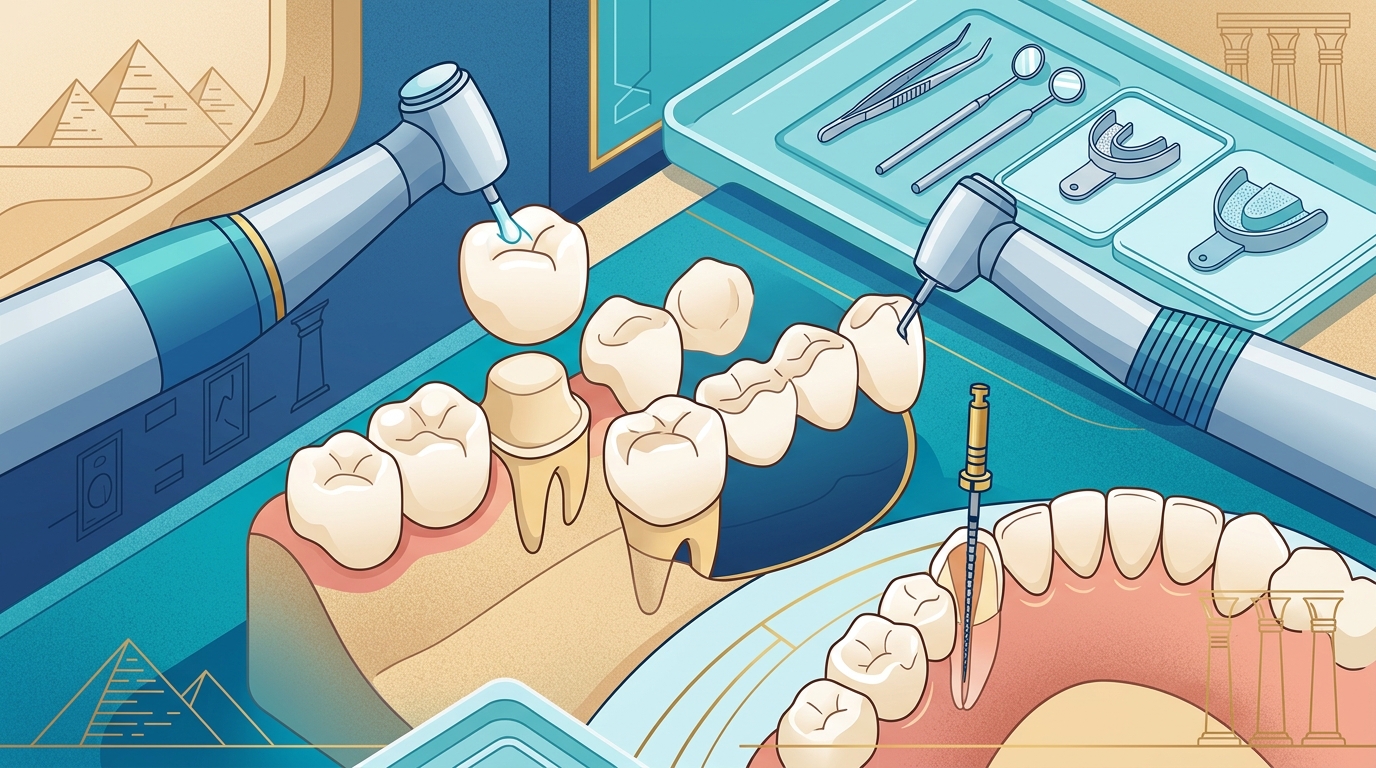
Before addressing common pitfalls, it is essential to define the treatments involved. Root canal therapy is a procedure to treat infection at the center of a tooth. Dental crowns are caps placed over damaged teeth to restore shape and function. Dental bridges are fixed prosthetic devices used to replace missing teeth by anchoring to adjacent natural teeth. Each procedure demands precision, sterile environments, and specialized expertise.
Patients seeking these services in Egypt often benefit from state-of-the-art facilities that rival international standards. However, the variance in clinic quality can be stark. Understanding the technical requirements of each procedure helps in identifying red flags during your selection process.
Mistake 1: Prioritizing Price Over Clinical Quality
The most significant error patients make is selecting a clinic solely based on the lowest price. While cost savings are a primary driver for dental tourism, extremely low prices often indicate compromised materials or inexperienced practitioners. In the dental industry, high-quality zirconia or porcelain-fused-to-metal materials carry specific costs that cannot be significantly undercut without sacrificing integrity.
According to global dental health statistics, patients who choose providers based on price alone are 30% more likely to require corrective procedures within two years. At EDHAK Center, we emphasize value over mere cost. Our pricing reflects the use of certified materials and the expertise of Dr. Moosa, ensuring long-term durability rather than short-term savings.
Mistake 2: Ignoring Material Specifications
Patients frequently fail to specify or verify the materials used in their restorations. The difference between a standard acrylic bridge and a high-strength zirconia bridge is substantial in terms of longevity and aesthetic naturalness. Zirconia crowns, for instance, offer superior strength and biocompatibility compared to older metal-ceramic options.
When consulting with a dentist, ask specifically about the brand and type of material. Reputable clinics like EDHAK Center provide transparent material options. Ignoring this detail can lead to premature wear, discoloration, or even fracture of the restoration. Always request a detailed treatment plan that lists the exact materials to be used for your crowns or bridges.
Mistake 3: Lack of Advanced Digital Imaging
Traditional X-rays are no longer the gold standard for complex procedures like root canals. The absence of Cone Beam Computed Tomography (CBCT) is a major red flag. CBCT imaging provides a 3D view of the tooth structure, bone density, and nerve pathways, which is critical for successful root canal therapy.
Data shows that clinics utilizing digital imaging reduce the risk of procedural errors by over 40%. Without 3D imaging, a dentist may miss hidden canals or misjudge the depth of infection. Ensure your chosen clinic in Egypt has CBCT technology. This technology allows for precise diagnosis and treatment planning, which is essential for complex cases. You can learn more about our diagnostic capabilities on our services page.
Mistake 4: Neglecting Post-Operative Planning
Many international patients underestimate the importance of post-operative care. Crowns and bridges require precise fitting and adjustment. If complications arise, such as sensitivity or improper bite alignment, immediate attention is necessary. Patients who fly home immediately after surgery without a clear follow-up plan risk severe complications.
A robust post-operative plan includes clear instructions on diet, hygiene, and emergency contact protocols. EDHAK Center provides comprehensive aftercare guidelines for all patients. We recommend staying in the local area for at least 24 to 48 hours after major procedures to monitor for any immediate adverse reactions. This proactive approach ensures your safety and the success of your treatment.
Mistake 5: Choosing the Wrong Clinic Environment
The clinical environment plays a crucial role in infection control and patient comfort. Crowding, poor ventilation, and lack of sterilization protocols are common issues in non-specialized clinics. Dental procedures involve blood and saliva, making strict sterilization non-negotiable.
Look for clinics that adhere to international sterilization standards. EDHAK Center maintains a sterile, modern environment designed for patient safety and comfort. Our facility in Banha, Egypt, is equipped with advanced sterilization units and follows rigorous hygiene protocols. Visiting the clinic virtually or in person before committing to treatment can help you assess the environment and build trust with the dental team.
Key Takeaways
- Price vs. Quality: Avoid the lowest price options; they often correlate with higher long-term costs due to corrective treatments.
- Material Transparency: Always verify the specific materials used, such as zirconia or porcelain, for your restorations.
- Digital Imaging: Insist on CBCT imaging for root canals to ensure accurate diagnosis and treatment planning.
- Post-Operative Care: Plan for adequate recovery time locally to address any immediate complications.
- Clinic Standards: Choose a clinic with verified sterilization protocols and modern infrastructure.
- Expertise Matters: Seek out experienced specialists like Dr. Moosa who prioritize patient outcomes.
- Documentation: Ensure you receive detailed treatment plans and material specifications in writing.
Frequently Asked Questions
How long does a dental crown last in Egypt?
With proper care and high-quality materials, a dental crown can last between 10 to 15 years. The longevity depends on the material used and the patient's oral hygiene habits.
Is root canal therapy painful?
Modern root canal therapy is performed under local anesthesia, making the procedure itself painless. Patients may experience mild discomfort for a few days post-treatment, which is manageable with over-the-counter pain relievers.
Why is CBCT imaging important for root canals?
CBCT imaging provides a 3D view of the tooth, allowing dentists to identify hidden canals, fractures, or infections that traditional X-rays might miss. This leads to more accurate and successful treatments.
Can I get dental implants along with crowns?
Yes, dental implants can be placed alongside crowns and bridges. However, this requires careful planning to ensure bone density and proper spacing. Consult with a specialist to determine the best approach for your case.
What is the recovery time for a dental bridge?
Recovery from a dental bridge placement is typically quick. Most patients can resume normal activities within a day, though they may need to avoid hard or sticky foods for a few days to allow the gums to heal.
How do I choose the right dentist in Egypt?
Look for dentists with international certifications, positive patient reviews, and modern facilities. EDHAK Center offers transparent information about our team's qualifications and experience.
What materials are best for dental crowns?
Zirconia and porcelain-fused-to-metal are popular choices. Zirconia is known for its strength and natural appearance, while porcelain-fused-to-metal offers durability. Your dentist will recommend the best option based on your specific needs.
Is dental tourism in Egypt safe?
Yes, dental tourism in Egypt is safe when you choose reputable clinics that adhere to international sterilization and safety standards. EDHAK Center prioritizes patient safety and comfort throughout the treatment process.
Contact EDHAK Center
Avoiding common mistakes starts with choosing the right partner for your dental care. Book an appointment with Dr. Moosa at EDHAK Center today to discuss your needs. We provide professional, high-quality dental care in Banha, Egypt, ensuring your smile is in safe hands. Visit our blog for more insights on dental health.