

According to recent international dental tourism reports, Egypt has emerged as a top destination for cosmetic dentistry, with patient volumes for aesthetic procedures growing by over 15% annually in major urban centers like Cairo and Banha. This surge is driven by the combination of world-class clinical expertise and significantly lower costs compared to Western markets. For individuals seeking a flawless smile, understanding the local landscape is critical to making an informed decision.
Understanding Porcelain Veneers
Porcelain veneers are thin, custom-made shells of medical-grade ceramic that are bonded to the front surface of teeth to improve their appearance. These shells are designed to cover up flaws such as chips, cracks, stains, gaps, or misshapen teeth. The material is chosen for its durability and its ability to mimic the light-reflecting properties of natural tooth enamel.
Unlike composite resin veneers, which are applied directly to the tooth in a single visit, porcelain veneers require laboratory fabrication. This process allows for greater precision in color matching and shape customization. The result is a highly aesthetic, long-lasting solution that can transform a smile in just a few weeks.
Porcelain is also highly resistant to staining from coffee, tea, and wine, making it a superior choice for long-term aesthetic maintenance. The material's translucency allows it to blend seamlessly with surrounding natural teeth, creating a natural look that is difficult to detect.
Why Choose Egypt for Dental Care?
Egypt has established itself as a regional hub for medical tourism, particularly in Cairo and Giza. The country boasts a high concentration of dental professionals who have trained in Europe, the United States, and other leading dental schools. This global training ensures that patients receive care that meets international standards of safety and efficacy.
The cost advantage is significant. According to data from international healthcare cost indices, dental procedures in Egypt can cost up to 70% less than in the United Kingdom or the United States. This price difference does not come at the expense of quality. Many clinics in Egypt utilize the latest digital imaging and CAD/CAM technology to ensure precise fit and aesthetic outcomes.
Additionally, the cultural hospitality in Egypt makes the experience comfortable for international visitors. Clinics often provide dedicated patient coordinators who assist with travel logistics, accommodation, and post-operative care instructions. This holistic approach reduces the stress often associated with medical travel.
Cost Breakdown and Factors
The cost of porcelain veneers in Egypt varies based on several factors, including the clinic's location, the dentist's expertise, and the complexity of the case. Generally, the price per veneer ranges from $150 to $400 USD. This is a fraction of the $900 to $2,500 per veneer typically charged in Western countries.
Several variables influence the final price. First, the number of veneers required plays a major role. Patients often opt for a "smile design" package, which includes multiple veneers to ensure symmetry and harmony. Second, the type of porcelain used can affect the cost. High-translucency ceramics like E.max are more expensive than traditional feldspathic porcelain but offer superior aesthetics.
Additional costs may include preliminary consultations, digital smile design software usage, and temporary veneers during the fabrication period. It is important to request a detailed quote that includes all potential fees to avoid unexpected charges. Most reputable clinics, such as EDHAK Center, provide transparent pricing structures during the initial assessment.
Selecting the Right Clinic
Choosing the right provider is the most critical step in achieving a successful outcome. Patients should look for clinics that specialize in cosmetic dentistry and have a portfolio of before-and-after cases. The dentist's experience with veneers is paramount, as the procedure requires precise tooth preparation and bonding techniques.
Technology also plays a vital role in modern veneer placement. Clinics that use digital scanners instead of traditional impressions offer greater comfort and accuracy. Digital smile design allows patients to preview their new smile before any work begins, ensuring alignment with their aesthetic goals.
Reputation and patient reviews are valuable indicators of quality. Platforms like Google Reviews and specialized dental tourism forums can provide insights into patient experiences. Look for consistent positive feedback regarding hygiene, staff professionalism, and final results. For instance, EDHAK Center emphasizes a patient-centric approach with a focus on long-term oral health.
The Veneer Procedure
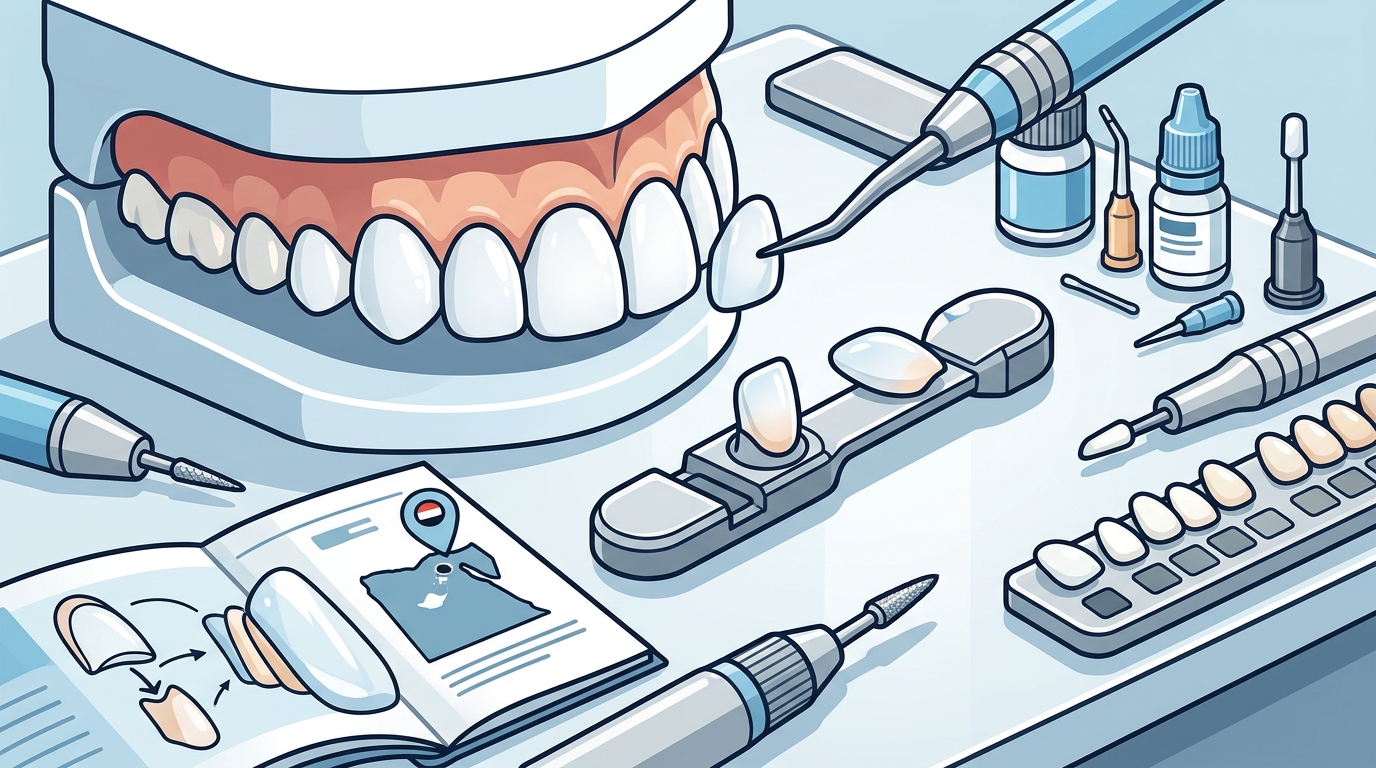
The process typically begins with a comprehensive consultation and digital smile design. The dentist evaluates the teeth, gums, and bite to determine suitability. X-rays and 3D scans are taken to create a precise model of the mouth.
During the preparation phase, a small amount of enamel is removed from the front of the teeth to make room for the veneers. This step is irreversible, which is why precision is critical. Once prepared, impressions or digital scans are sent to a dental laboratory for fabrication. This process usually takes one to two weeks.
During the second visit, the temporary veneers are removed, and the permanent ones are tried in for fit and color adjustment. Once approved, the veneers are bonded to the teeth using a strong adhesive and cured with a special light. The final result is a bright, symmetrical smile that looks and feels natural.
Veneers vs. Lumineers
Patients often confuse porcelain veneers with Lumineers, which are a brand of ultra-thin veneers. While both are made of porcelain, the key difference lies in the preparation required. Traditional porcelain veneers require enamel removal, whereas Lumineers are often marketed as "no-prep" or "minimal-prep" options.
However, the "no-prep" claim is not always accurate. Even ultra-thin veneers may require some tooth reduction to ensure a natural fit and avoid a bulky appearance. Traditional veneers, when properly designed, can be just as thin as Lumineers but offer better control over the final shape and color.
Another factor is longevity. Traditional porcelain veneers, when cared for properly, can last 10 to 15 years or more. Lumineers may have a similar lifespan, but their fit on unprepared teeth can sometimes lead to gum irritation or difficulty in cleaning. It is essential to discuss these options with a qualified dentist to determine the best approach for your specific dental anatomy.
Key Takeaways
- Cost Efficiency: Porcelain veneers in Egypt cost between $150 and $400 per unit, offering significant savings compared to Western markets.
- Expertise: Many Egyptian dentists are internationally trained, ensuring high standards of care and aesthetic outcomes.
- Technology: Leading clinics utilize digital smile design and CAD/CAM technology for precise, comfortable, and predictable results.
- Procedure: The process involves consultation, minimal enamel preparation, laboratory fabrication, and precise bonding.
- Provider Choice: Selecting a clinic with a strong portfolio and transparent pricing, such as EDHAK Center, is crucial for success.
- Maintenance: Veneers require good oral hygiene and regular dental check-ups to maintain their appearance and longevity.
- Medical Tourism: Egypt offers a comprehensive package including travel support, making it an accessible option for international patients.
Frequently Asked Questions
How long do porcelain veneers last?
With proper care and regular dental check-ups, porcelain veneers can last between 10 and 15 years. Some patients report longevity of up to 20 years. Avoiding habits like nail-biting or chewing on hard objects can extend their lifespan.
Are porcelain veneers painful?
The procedure is performed under local anesthesia, so patients should not feel pain during the treatment. Some sensitivity may occur after the anesthesia wears off, but this is typically mild and short-lived. Over-the-counter pain relievers are usually sufficient for any discomfort.
Can I get veneers if I have gum disease?
No, gum disease must be treated and resolved before veneer placement. Healthy gums are essential for the longevity and aesthetic success of veneers. A thorough dental examination will determine if any preliminary periodontal treatment is needed.
How do I care for my veneers?
Care for veneers is similar to natural teeth. Brush twice daily with a non-abrasive toothpaste, floss daily, and use an alcohol-free mouthwash. Avoid staining substances like tobacco and limit consumption of highly pigmented foods and drinks.
Is the consultation free?
Many clinics offer free or low-cost initial consultations to assess suitability and provide a treatment plan. It is advisable to contact the clinic directly to confirm their policy. EDHAK Center encourages patients to reach out for a preliminary assessment.
Do veneers look natural?
Yes, when crafted by an experienced dentist, porcelain veneers are virtually indistinguishable from natural teeth. The material's translucency and the dentist's skill in color matching ensure a seamless blend with your existing smile.
What is the recovery time?
Recovery is minimal. Most patients can return to work the next day. Some gum tenderness may persist for a few days, but this subsides quickly. Full adaptation to the new veneers usually takes about a week.
Book Your Consultation
Transforming your smile with porcelain veneers in Egypt is a strategic investment in your confidence and well-being. By choosing a reputable clinic with advanced technology and expert care, you can achieve a natural, radiant smile at a fraction of the cost of Western countries. Do not wait to start your journey. Contact EDHAK Center today to schedule your personalized consultation and discover the perfect smile design for you.