

Dental restoration procedures have evolved significantly across the Middle East. According to global health data, over forty percent of adults experience severe tooth decay that requires advanced intervention. Patients seeking reliable crown, bridge, or root canal treatment in Egypt now access modern facilities that combine advanced imaging with cost-effective care. This guide examines how to select a qualified provider, understand procedural timelines, and navigate pricing structures. You will find actionable steps to secure long-term oral health without compromising clinical standards.
Selecting a Qualified Provider
Finding the right clinic requires verifying credentials and facility standards. A licensed dental specialist must hold current certification from the Egyptian Medical Syndicate. Modern clinics utilize digital radiography and intraoral scanners to map complex root structures. You should verify that the facility maintains strict sterilization protocols. Visit our services page to review our clinical capabilities. Independent audits confirm that accredited centers reduce infection rates by nearly ninety percent compared to unregulated facilities.
Understanding Crown Procedures
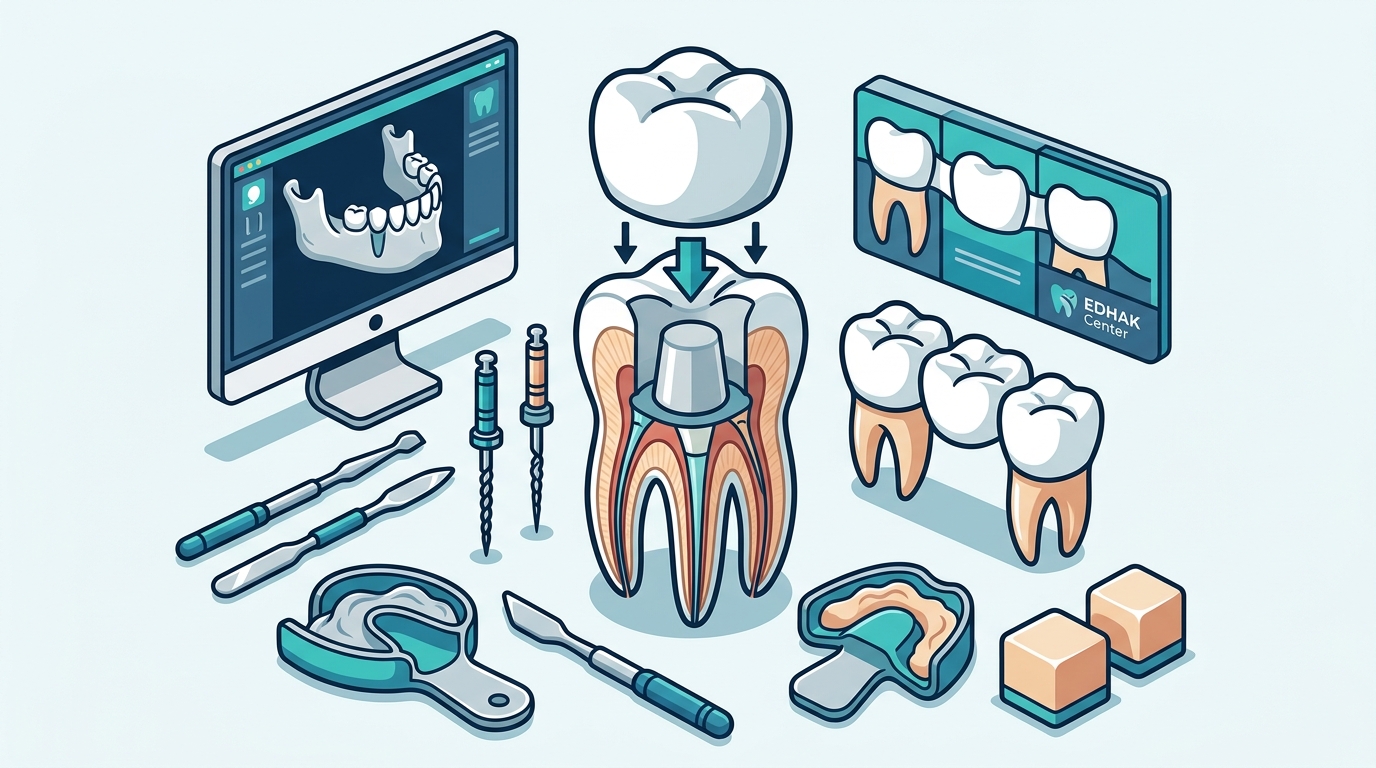
A dental crown is a custom-fitted cap that restores a damaged or severely decayed tooth. The procedure typically requires two visits. During the first appointment, the dentist removes compromised enamel and prepares the tooth structure. Digital impressions replace traditional putty molds for higher accuracy. You can view our clinical results in the gallery section. Laboratory fabrication takes approximately three days. Your dentist will schedule a final placement appointment to cement the restoration securely.
Bridge Replacement Options
A dental bridge is a fixed prosthetic device that replaces one or more missing teeth. The framework anchors securely to adjacent natural teeth or dental implants. Modern materials include zirconia and lithium disilicate for superior durability. Your dentist will evaluate bone density and gum health before fabrication. Explore our about page to learn about our clinical philosophy. Clinical studies indicate that properly maintained bridges function effectively for over fifteen years. Regular flossing beneath the pontic prevents plaque accumulation.
Root Canal Therapy Explained
Root canal therapy is a restorative procedure that removes infected pulp tissue from inside a tooth. The process eliminates bacteria while preserving the natural tooth structure. Modern rotary files and irrigation systems ensure complete cleaning of narrow canals. Recovery typically involves mild sensitivity for forty-eight hours. Read our blog articles for detailed patient education. Statistics show that over ninety-five percent of treated teeth remain functional for decades. Your provider will place a final restoration to protect the weakened tooth.
Cost Structure and Transparency
Pricing varies based on material selection, case complexity, and laboratory fees. Transparent clinics provide written estimates before treatment begins. Most facilities accept local currency and international payment methods. You should request a detailed breakdown covering diagnostics, anesthesia, and follow-up visits. Check our contact page to schedule a financial consultation. Government health reports indicate that dental tourism in Egypt saves patients approximately sixty percent compared to Western markets. You should verify warranty terms before committing to any procedure.
| Procedure | Typical Duration | Material Options | Ideal Candidate |
|---|---|---|---|
| Dental Crown | Two visits | Zirconia, Porcelain, E.max | Fractured or heavily filled teeth |
| Dental Bridge | Three visits | Zirconia, Lithium Disilicate | Single or double tooth gaps |
| Root Canal | One to two visits | Composite, Ceramic | Infected pulp or abscess |
Key Takeaways
- Crowns restore structural integrity for fractured or heavily filled teeth.
- Bridges restore chewing function and prevent adjacent teeth from shifting.
- Root canal therapy eliminates infection while preserving natural tooth anatomy.
- Digital scanning reduces appointment time and improves fit accuracy.
- Transparent pricing prevents unexpected financial burdens during treatment.
- Certified specialists maintain strict infection control standards.
- Modern materials provide superior aesthetics and long-term durability.
Frequently Asked Questions
How long does a dental crown last?
A properly maintained crown typically lasts between ten and fifteen years. Regular brushing and professional cleanings extend the lifespan significantly.
Are bridges reversible?
A dental bridge is a permanent restoration that requires modifying adjacent teeth. The procedure cannot be reversed once the supporting teeth are prepared.
Does root canal therapy hurt?
Modern anesthesia ensures the procedure remains completely painless. Patients report minimal discomfort during the recovery phase.
What materials are best for crowns?
Zirconia and porcelain-fused-to-metal remain the most durable options. Your dentist will recommend materials based on aesthetic requirements and bite force.
How do I maintain oral health after treatment?
Consistent brushing, flossing, and biannual checkups prevent future complications. You should avoid chewing hard objects on restored teeth.
Can I combine multiple procedures?
Combining treatments often reduces overall chair time and laboratory fees. Your provider will create a coordinated treatment timeline.
Book Your Consultation
Secure your appointment today by visiting our contact page. Our team will evaluate your dental records and design a personalized treatment plan. Advanced imaging and transparent pricing ensure a stress-free experience. Schedule your visit now to restore your smile with confidence.