
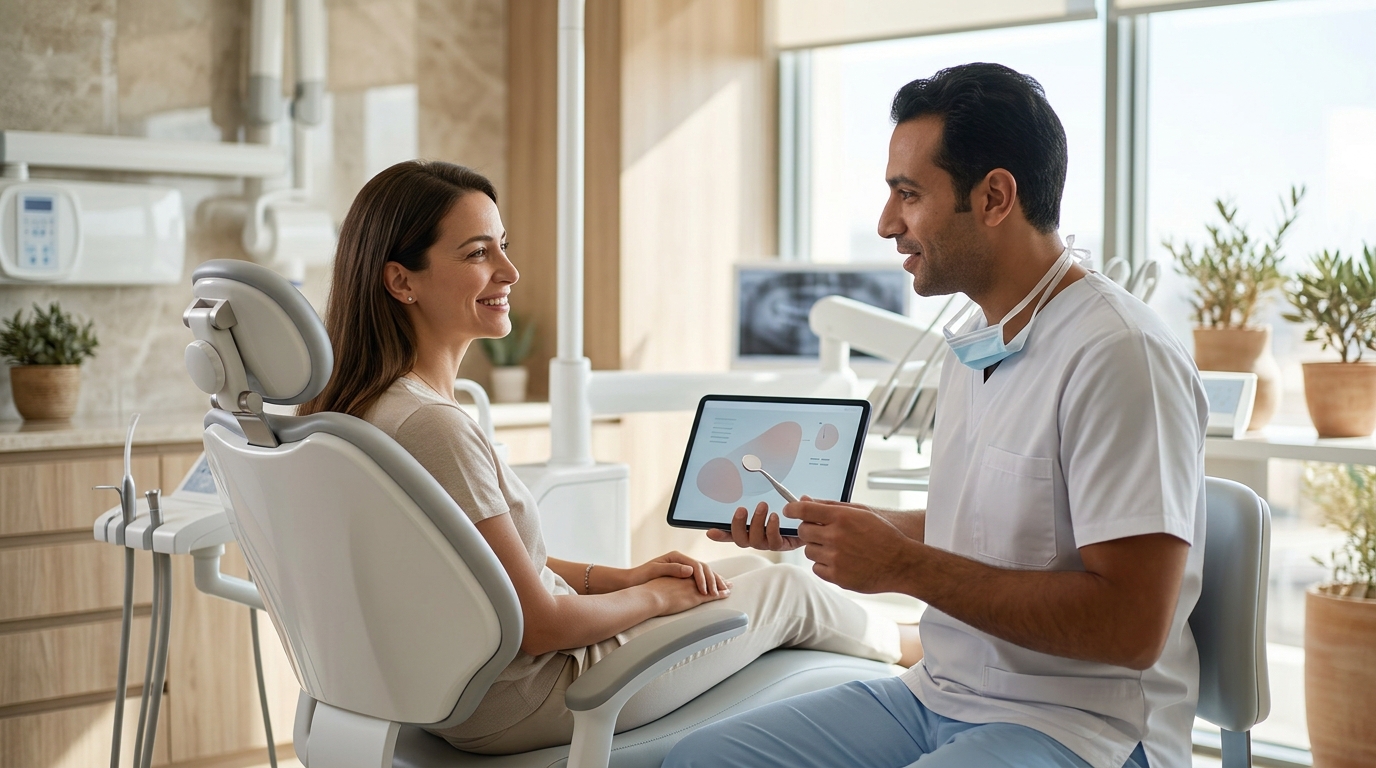
Modern dental care in Egypt has evolved into a highly specialized medical sector. Patients seeking restorative procedures now have access to advanced surgical protocols and certified clinical facilities. The growing demand for restorative dentistry reflects a broader shift toward proactive oral health management. Clinics across major regions now prioritize precision diagnostics and long-term structural stability. This guide outlines the essential factors for selecting a qualified provider and understanding the clinical pathways available today. (About EDHAK Center Our)
Understanding Modern Dental Implant Procedures
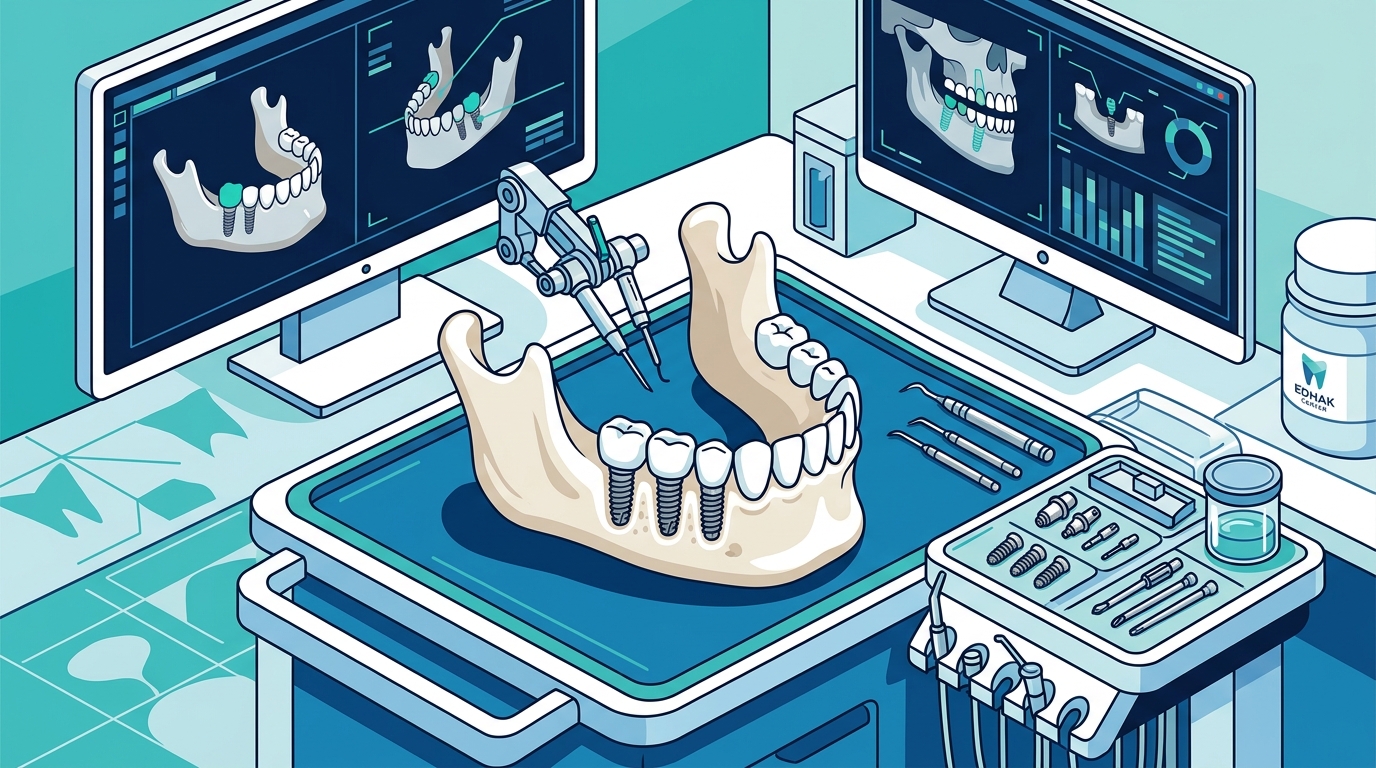
Dental implants represent a permanent solution for missing tooth structure. The procedure involves placing a biocompatible titanium post directly into the jawbone. This component acts as an artificial root that fuses with surrounding bone tissue over several months. Dental implants is a surgical restoration technique that replaces missing tooth roots with titanium fixtures. The integration process ensures long-term stability and prevents jawbone degradation. Clinics in Egypt now utilize computer-guided placement systems to maximize precision. These systems map the exact anatomical boundaries before any incision occurs. Patients benefit from reduced recovery times and predictable aesthetic outcomes. The clinical workflow begins with comprehensive radiographic imaging. Specialists then design a customized surgical plan that aligns with your specific bone density and occlusion patterns. This methodical approach minimizes tissue trauma and accelerates healing timelines.
Evaluating Oral Surgery Requirements in Egypt
Complex dental conditions often require specialized surgical intervention. Oral surgery addresses severe infections, impacted teeth, and structural jaw abnormalities. The procedure demands strict adherence to sterile operating protocols. Oral surgery is a specialized medical discipline that treats complex dental and maxillofacial conditions requiring surgical intervention. Clinics in Banha and surrounding regions maintain fully equipped surgical suites. These facilities operate under strict regulatory oversight to ensure patient safety. Surgeons utilize advanced anesthesia techniques to maintain comfort throughout the procedure. Post-operative monitoring remains a standard component of every surgical protocol. Patients receive detailed recovery instructions that outline dietary restrictions and hygiene requirements. The clinical team tracks healing progress through scheduled follow-up examinations. This structured approach prevents complications and ensures optimal tissue regeneration.
Selecting a Certified Dental Facility
Choosing the right clinic requires careful evaluation of credentials and operational standards. You should verify that the facility maintains current licensing and adheres to international sterilization guidelines. Dental services provided by certified professionals guarantee adherence to established clinical benchmarks. Review the clinic's patient gallery to assess historical case outcomes. A reputable facility will display before-and-after documentation of complex restorative cases. You should also verify the qualifications of the lead surgeon. Board certification and continuous education records indicate a commitment to clinical excellence. Modern clinics invest in digital scanning technology to eliminate traditional impression materials. This shift reduces discomfort and improves the accuracy of prosthetic fabrication. Always schedule an initial consultation to discuss your medical history and treatment goals. Direct communication with the clinical team establishes trust and clarifies expectations.
Comparing Treatment Pathways and Clinical Standards
Restorative dentistry offers multiple pathways depending on your specific anatomical requirements. Single-tooth replacements utilize individual fixtures that support custom crowns. Multi-tooth restorations may involve bridge-supported frameworks or full-arch solutions. Dental blog resources provide detailed breakdowns of each restoration category. The following table outlines the primary treatment pathways available at certified facilities.
| Procedure Type | Primary Indication | Estimated Integration Timeline | Long-Term Maintenance Requirement |
|---|---|---|---|
| Single Dental Implant | Isolated tooth loss with adequate bone volume | 3 to 6 months | Standard oral hygiene and biannual checkups |
| Multi-Tooth Bridge | Adjacent missing teeth with compromised support | 4 to 8 weeks | Specialized flossing and periodic radiographic monitoring |
| Full-Arch Restoration | Complete edentulism or severe structural degradation | 4 to 9 months | Custom cleaning protocols and annual structural assessments |
| Oral Surgical Extraction | Severe infection or non-restorable structural damage | 2 to 4 weeks | Post-operative monitoring and tissue healing evaluation |
Each pathway requires precise diagnostic imaging and customized surgical planning. Your clinical team will recommend the most appropriate option based on bone density, gum health, and functional requirements. Transparent pricing structures ensure you understand all financial commitments before proceeding. Certified facilities provide detailed treatment schedules that align with your professional and personal commitments.
Navigating Patient Care and Post-Operative Support
Successful restorative outcomes depend heavily on structured post-operative care. Clinics maintain dedicated support teams that monitor healing progress during the critical first weeks. Contact your clinical provider immediately if you experience unusual swelling or persistent discomfort. Recovery protocols include specific dietary guidelines that protect the surgical site. Soft foods and lukeward liquids remain essential during the initial healing phase. You must avoid strenuous physical activity to prevent increased blood flow to the surgical area. Proper oral hygiene techniques prevent bacterial colonization around the implant fixture. Your provider will supply specialized cleaning tools that reach difficult anatomical zones. Regular follow-up examinations allow the clinical team to adjust healing protocols as needed. This proactive approach ensures long-term structural integrity and aesthetic success.
Key Takeaways
- Modern dental implants utilize biocompatible titanium fixtures that fuse directly with jawbone tissue.
- Oral surgery addresses complex maxillofacial conditions requiring precise surgical intervention.
- Certified facilities in Egypt maintain strict sterilization protocols and digital scanning capabilities.
- Computer-guided placement systems maximize surgical precision and minimize tissue trauma.
- Post-operative monitoring ensures optimal healing and prevents long-term structural complications.
- Transparent pricing structures provide clear financial pathways before any surgical procedure begins.
- Regular follow-up examinations maintain long-term implant stability and aesthetic outcomes.
Frequently Asked Questions
How long does the dental implant integration process take?
The integration process typically requires three to six months. This timeframe allows the titanium fixture to fuse securely with the surrounding jawbone. Your clinical team will monitor bone density through periodic radiographic imaging.
Is oral surgery covered by standard dental insurance plans?
Insurance coverage varies significantly depending on your specific policy terms. Most standard plans classify oral surgery as a specialized medical procedure. You should verify coverage details directly with your insurance provider before scheduling.
What diagnostic imaging is required before surgery?
Certified facilities utilize advanced three-dimensional radiographic scanning. These systems map bone density, nerve pathways, and anatomical boundaries. The imaging data enables precise surgical planning and minimizes procedural risks.
Can dental implants fail after successful integration?
Implant failure occurs in less than five percent of cases. Primary failure reasons include poor oral hygiene, uncontrolled diabetes, or excessive mechanical stress. Regular clinical monitoring prevents long-term structural complications.
How do I maintain oral hygiene after surgery?
Specialized cleaning protocols prevent bacterial colonization around the fixture. Your provider will supply antimicrobial rinses and soft-bristled cleaning tools. Consistent hygiene practices ensure long-term structural stability.
What is the typical cost range for restorative procedures?
Costs vary based on anatomical requirements and material selections. Certified facilities provide transparent pricing structures before any surgical procedure begins. You should request a detailed treatment estimate during your initial consultation.
Are digital scanning methods more accurate than traditional impressions?
Digital scanning eliminates physical impression materials entirely. The technology captures precise anatomical measurements in minutes. This shift reduces discomfort and improves prosthetic fabrication accuracy.
How quickly can I return to normal daily activities?
Most patients resume light daily activities within two to three days. Strenuous physical exercise should be avoided for at least one week. Your clinical team will provide specific recovery guidelines tailored to your procedure.
Book Your Consultation Today
Restorative dental care requires precise planning and certified clinical expertise. You should schedule an initial consultation to evaluate your anatomical requirements and treatment goals. Our certified team provides comprehensive diagnostic imaging and customized surgical planning. Visit our main page to explore our complete service portfolio. Contact our administrative staff to schedule your appointment and review detailed pricing structures. We prioritize patient comfort, clinical precision, and long-term structural stability. Your journey toward optimal oral health begins with a single consultation.