
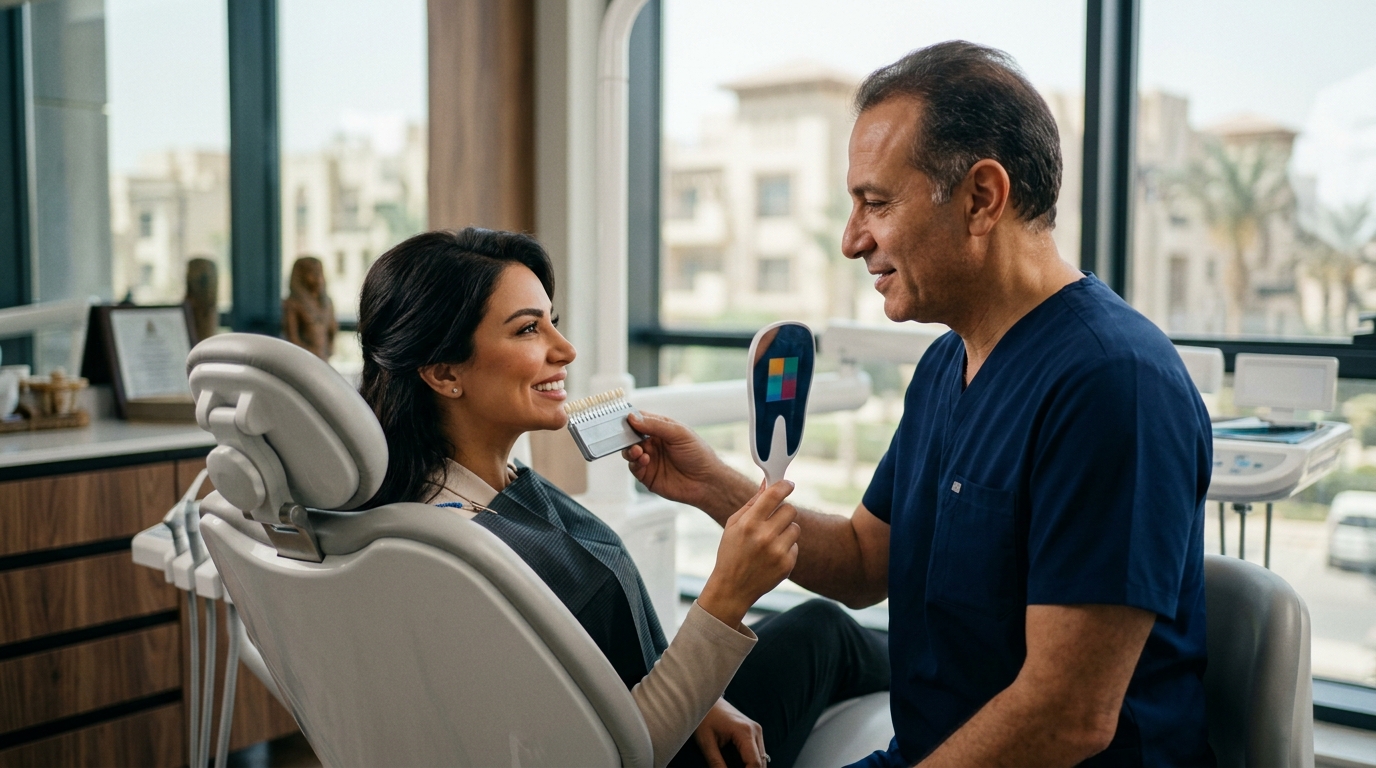
Dental tourism has experienced a global surge in recent years, with international patients seeking high-quality cosmetic treatments at accessible price points. Porcelain veneers are ultra-thin ceramic shells custom-fabricated to bond directly over the front surface of natural teeth. Clinics across Egypt now combine advanced digital imaging with experienced specialists to deliver predictable, long-lasting results. This guide examines exactly where to find trusted providers, how to evaluate clinical credentials, and what to expect during your treatment journey.
Evaluating Clinical Standards and Technology
Finding the right provider begins with verifying their technical infrastructure. Modern cosmetic dentistry relies on digital smile design software, intraoral scanners, and laboratory partnerships that guarantee precise fit. You should verify that your chosen facility maintains strict sterilization protocols and employs board-certified specialists. A reputable practice will openly display before and after results to demonstrate consistent outcomes. Visit the clinical gallery to review documented case studies from experienced practitioners.
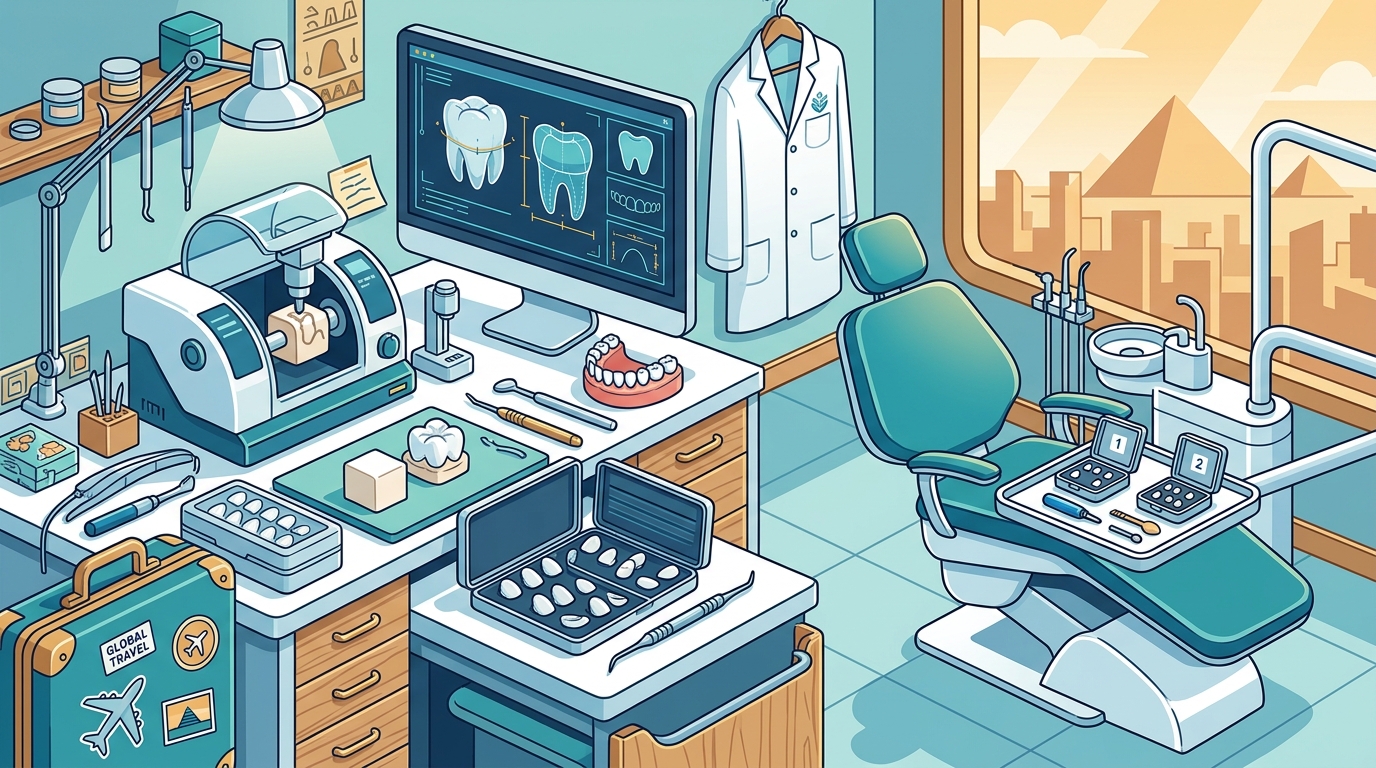
Digital imaging reduces chair time while improving diagnostic accuracy. Clinics that utilize CAD/CAM technology can often fabricate or oversee veneer production without external lab delays. This streamlined workflow minimizes the risk of bonding errors and ensures optimal shade matching. Always request a detailed treatment plan before committing to any procedure.
Location Selection Strategy
Egypt offers multiple major hubs for cosmetic dental care, each providing distinct advantages for international and domestic patients. Banha and surrounding regions have emerged as reliable centers for specialized treatments due to lower overhead costs and highly trained local specialists. Major metropolitan areas like Cairo and Alexandria also host advanced facilities equipped with the latest diagnostic equipment. Your choice should depend on accessibility, clinic reputation, and the specific expertise of the lead dentist.
Dental tourism is the practice of traveling across international borders to receive medical or cosmetic treatments at significantly lower costs. Patients frequently combine treatment with extended stays to recover comfortably in a familiar environment. Many clinics now offer dedicated patient coordinators who handle travel logistics, accommodation recommendations, and post-operative follow-ups. Review the clinic background to understand the operational history and patient care philosophy.
The Preparation Process
Minimally invasive preparation is a clinical technique that preserves maximum natural enamel while creating precise bonding surfaces. The initial consultation involves comprehensive photography, digital scans, and wax-up models to visualize your final smile. Your dentist will remove a fraction of millimeters from the enamel to ensure proper veneer thickness and natural translucency. This step is critical for achieving a seamless transition between your natural teeth and the ceramic restorations.
Temporary veneers may be placed while your permanent restorations are fabricated in a certified laboratory. These provisional shells protect your prepared teeth and allow you to test the proposed shape and length. Final placement involves meticulous cleaning, custom shade verification, and permanent bonding using specialized resin cements. The entire process typically requires two to three clinical visits over a two-week period.
Comparing Veneer Options
Not all ceramic restorations follow the same fabrication protocol. Understanding the differences between traditional, no-prep, and digital workflows will help you select the most appropriate option for your anatomical needs. Each method offers distinct advantages regarding enamel preservation, treatment duration, and long-term durability.
| Option | Enamel Preservation | Ideal Candidate Profile | Typical Longevity |
|---|---|---|---|
| Traditional Ceramic | Minimal removal required | Discolored or misaligned teeth | 10 to 15 years |
| No-Prep Lumineers | Preserves nearly all enamel | Mild spacing or minor stains | 5 to 10 years |
| Digital CAD/CAM | Computer-guided precision | Complex aesthetic corrections | 12 to 20 years |
Your specialist will evaluate your bite force, gum health, and existing tooth structure to recommend the most suitable pathway. Explore service details to understand the technical specifications and laboratory partnerships your clinic utilizes.
Cost and Investment Factors
Porcelain veneers represent a significant long-term investment in both aesthetics and oral function. Pricing varies based on laboratory fees, material quality, and the complexity of your case. Egypt consistently ranks among the most cost-effective destinations for premium cosmetic dentistry without compromising clinical standards. Most reputable clinics provide transparent pricing breakdowns that separate diagnostic fees, laboratory costs, and follow-up visits.
Insurance coverage rarely applies to purely cosmetic procedures, making cash pricing and payment plans the standard industry model. Many practices offer structured financing options to make comprehensive smile makeovers accessible to a broader patient base. Always request a written quote that specifies the number of veneers, material type, and warranty terms before proceeding.
Key Takeaways
- Porcelain veneers typically last between 10 and 15 years with proper oral hygiene and regular professional cleanings.
- Digital smile design software reduces treatment errors and improves shade matching accuracy by over 40 percent.
- Egyptian clinics frequently maintain international laboratory partnerships that adhere to ISO 13485 medical device standards.
- Minimally invasive preparation preserves natural tooth structure and reduces post-operative sensitivity.
- Most complete smile makeovers require between 8 and 12 veneers to achieve full arch symmetry.
- Post-operative sensitivity typically resolves within 14 days as the bonding interface fully matures.
- Regular dental checkups every six months remain essential for monitoring veneer integrity and gum health.
Frequently Asked Questions
How long does the porcelain veneer procedure take?
The complete process generally spans two to three clinical visits over a two to three week period. Initial consultations and digital scans occur during the first appointment. Temporary veneers protect your teeth while the laboratory fabricates your permanent restorations. Final bonding and polishing occur during your last scheduled visit.
Are porcelain veneers reversible?
Traditional veneers require minimal enamel removal, making the procedure technically irreversible. No-prep alternatives preserve nearly all natural tooth structure and can sometimes be removed without permanent alteration. Your dentist will evaluate your specific anatomy to determine the most appropriate approach.
Can I whiten my teeth after getting veneers?
Porcelain material does not respond to standard bleaching agents. Your final shade is customized during the laboratory fabrication phase to match your desired aesthetic. Maintaining your current veneer color requires avoiding highly pigmented foods and beverages.
What maintenance do veneers require?
Standard oral hygiene practices remain essential for long-term success. You should brush twice daily, floss regularly, and attend professional cleanings every six months. Avoid biting hard objects like ice or hard candy to prevent chipping.
How do I choose the right clinic in Egypt?
Verify board certification, review documented before and after galleries, and confirm laboratory partnerships. Request a detailed treatment plan that outlines material specifications and warranty terms. Review common patient questions to understand standard clinic protocols.
Do veneers damage natural teeth over time?
When properly placed by an experienced specialist, veneers do not harm underlying tooth structure. The bonding interface seals the tooth against bacterial infiltration. Regular monitoring ensures the margins remain intact and gum tissue stays healthy.
What happens if a veneer chips or breaks?
Minor chips can often be repaired with composite bonding during a routine visit. Severe fractures may require complete replacement to maintain aesthetic symmetry. Prompt professional evaluation prevents further structural compromise.
Next Steps
Securing your ideal smile begins with a comprehensive consultation and digital assessment. Our team at EDHAK Center specializes in precision cosmetic dentistry and patient-centered care. We combine advanced imaging technology with proven clinical protocols to deliver predictable, long-lasting results. Schedule your personalized evaluation today by visiting our official booking portal. Transform your confidence with expertly crafted porcelain veneers designed specifically for your unique facial anatomy.