

Finding reliable restorative care requires careful evaluation of clinical standards and facility infrastructure. According to the World Health Organization, over two billion people globally experience severe dental conditions that demand advanced restorative interventions. Patients seeking premium dental crowns Egypt, dental bridges Egypt, or root canal treatment Egypt must prioritize clinics that maintain strict sterilization protocols and utilize modern imaging technology. This guide examines the exact locations and operational standards that define top-tier dental care in the region. You will learn how to evaluate clinic credentials, compare procedural costs, and verify patient safety benchmarks before scheduling your consultation.
Understanding Dental Crowns
A dental crown is a custom-fitted cap that completely encases a damaged tooth to restore its original shape, size, and function. Clinics across Egypt utilize advanced digital scanning to fabricate porcelain-fused-to-metal or all-ceramic restorations. These materials provide exceptional durability while matching your natural enamel shade. The procedure typically requires two visits to ensure precise occlusion and long-term stability. Patients who visit our services page can review the exact fabrication workflows and material specifications used in modern restorative dentistry.
Material Selection and Longevity
Choosing the right material directly impacts the lifespan of your restoration. Zirconia crowns offer superior fracture resistance for posterior teeth. Porcelain crowns provide optimal aesthetics for front teeth. Your dentist will evaluate your bite force and aesthetic goals before recommending a specific material. Regular maintenance and proper oral hygiene extend the functional lifespan of any crown significantly.
Evaluating Bridge Options
A dental bridge is a fixed prosthetic device that replaces one or more missing teeth by anchoring to adjacent natural teeth. Modern implant-supported bridges eliminate the need to grind down healthy neighboring teeth. This approach preserves natural tooth structure while restoring full chewing efficiency. Clinics that prioritize conservative dentistry will always present implant-supported options before traditional fixed bridges. You can explore our before and after gallery to visualize successful bridge placements and aesthetic outcomes.
Traditional Versus Implant-Supported Designs
Traditional bridges rely on ceramic or metal frameworks that span the edentulous space. Implant-supported bridges attach to titanium posts surgically placed in the jawbone. The latter option prevents bone resorption and maintains facial structure over decades. Your treatment plan will depend on bone density, gum health, and overall medical history. A comprehensive diagnostic scan determines which design offers the highest long-term success rate.
Root Canal Procedures Explained
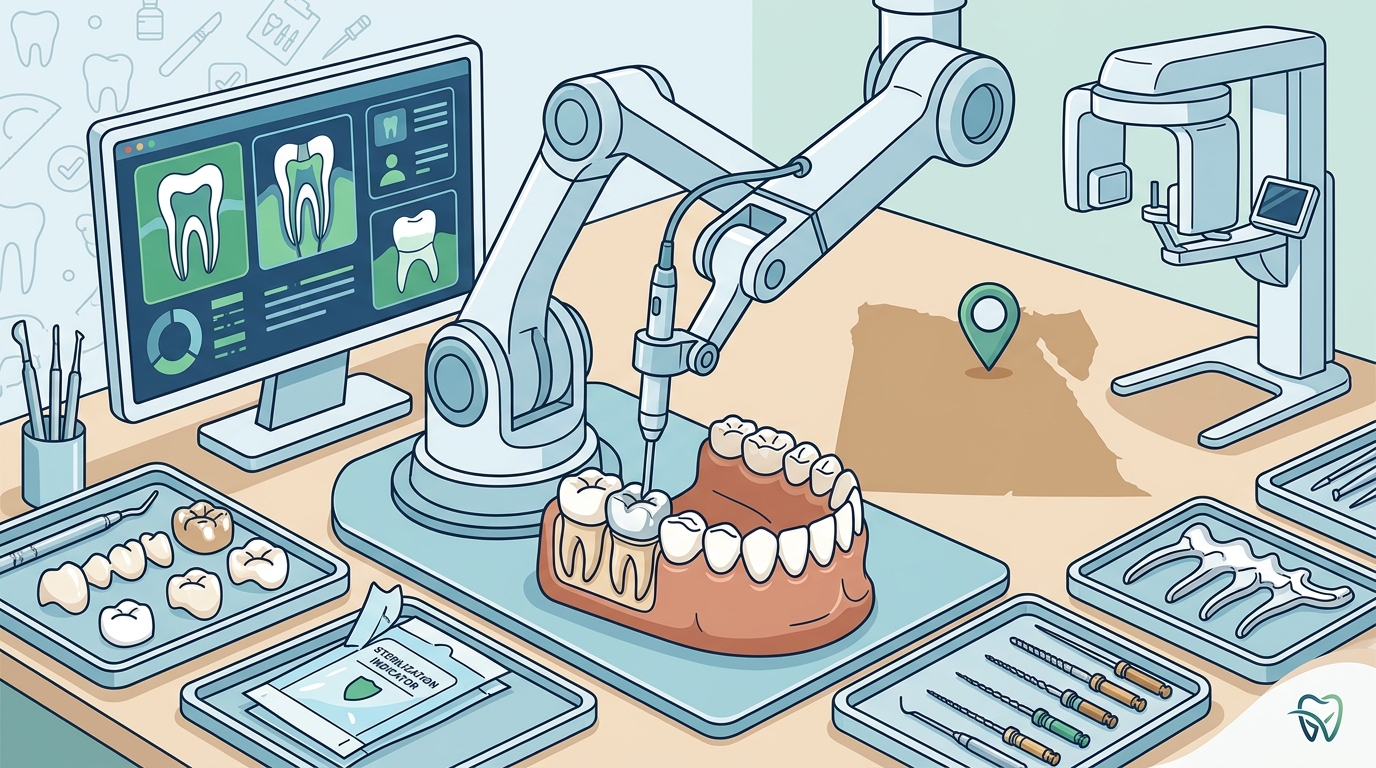
Root canal treatment is a specialized endodontic procedure that removes infected pulp tissue to save a severely damaged tooth. Modern techniques utilize rotary nickel-titanium files to clean and shape the root canals with minimal discomfort. The procedure eliminates pain, prevents abscess formation, and preserves your natural bite alignment. Clinics that invest in microscopes and digital radiography achieve higher success rates and faster recovery times. Review our frequently asked questions to understand the step-by-step clinical workflow and post-procedure care requirements.
Pain Management and Recovery Protocols
Contemporary anesthesia protocols ensure complete comfort during the entire procedure. Local numbing agents combined with sedation options address patient anxiety effectively. Post-operative sensitivity typically resolves within three to five days. Your dentist will provide specific aftercare instructions to prevent reinfection. Following these guidelines guarantees optimal healing and long-term tooth survival.
Selecting the Right Clinic
Choosing a qualified dental facility requires verifying licensing, equipment standards, and practitioner credentials. The Egyptian Ministry of Health mandates strict infection control protocols for all licensed clinics. You should verify that your provider uses single-use disposable instruments and autoclave sterilization for reusable tools. Digital panoramic imaging and cone-beam computed tomography scans enable precise treatment planning. Our about page outlines our clinical philosophy, staff qualifications, and commitment to patient safety standards.
Verification of Clinical Standards
Always request to see your provider’s licensing documentation before committing to treatment. Reputable clinics maintain transparent pricing structures and offer detailed treatment estimates. Look for facilities that participate in continuing education programs to stay current with evolving techniques. International accreditation standards often exceed local requirements, providing an additional layer of quality assurance. Verify that your chosen facility maintains a sterile environment and follows universal precautions.
Pricing and Insurance Considerations
According to the FDI World Dental Federation, restorative dental procedures vary significantly based on material quality, laboratory fees, and clinical complexity. Patients should expect transparent cost breakdowns that separate diagnostic fees, procedural charges, and follow-up visits. Many Egyptian clinics offer flexible payment plans to make advanced restorative care accessible. International patients often benefit from favorable exchange rates combined with premium clinical standards. Our contact page provides direct communication channels to request a personalized treatment estimate and schedule your initial consultation.
Insurance Coverage and Payment Structures
Domestic insurance plans may cover portions of restorative procedures depending on your policy tier. International health insurance often requires pre-authorization and direct billing arrangements. Cash payments and bank transfers remain the most common transaction methods in private clinics. Always request a written treatment plan that details every cost component before proceeding. Transparent financial communication prevents unexpected expenses and ensures smooth administrative processing.
| Procedure Type | Primary Clinical Indication | Typical Lifespan | Recommended Material |
|---|---|---|---|
| Dental Crown | Severe decay or fracture | 10 to 15 years | All-ceramic or zirconia |
| Dental Bridge | Single or multiple missing teeth | 10 to 20 years | Porcelain-fused-to-metal |
| Root Canal | Pulp infection or abscess | Permanent with crown | Biocompatible sealant |
Key Takeaways
- Dental crowns provide complete tooth restoration and typically last 10 to 15 years with proper care.
- Dental bridges replace missing teeth and prevent adjacent tooth migration and bone loss.
- Root canal treatment eliminates infection while preserving your natural tooth structure.
- Clinics utilizing digital scanning and microscopes achieve higher precision and patient comfort.
- Verification of sterilization protocols and licensing ensures maximum safety during procedures.
- Transparent pricing structures and flexible payment options improve accessibility for all patients.
Frequently Asked Questions
How long does a dental crown procedure take?
The initial preparation and impression phase typically requires 60 to 90 minutes. Laboratory fabrication takes 3 to 5 business days. The final placement appointment lasts approximately 45 minutes. Total treatment time spans one to two weeks depending on laboratory scheduling.
Are dental bridges painful to place?
Modern anesthesia protocols ensure complete comfort during tooth preparation and bridge placement. Post-procedure sensitivity usually resolves within three to five days. Over-the-counter pain management medications effectively control any minor discomfort.
Can root canal treatment save a severely damaged tooth?
Root canal treatment successfully saves teeth with deep decay, cracks, or abscesses. The procedure removes infected tissue while preserving the natural root structure. A final crown placement restores full chewing function and prevents fracture.
What qualifications should I verify before choosing a clinic?
Verify active licensing from the Egyptian Ministry of Health. Confirm that your provider maintains current certifications in restorative dentistry. Check that the facility uses autoclave sterilization and digital imaging technology. Review patient testimonials and before-and-after documentation to assess clinical outcomes.
How do I maintain my restorative dental work?
Maintain a consistent brushing and flossing routine to prevent plaque buildup. Schedule professional cleanings every six months to monitor restoration integrity. Avoid chewing hard objects like ice or hard candy to prevent ceramic fractures. Use antimicrobial mouthwash to reduce bacterial load around restoration margins.
Book Your Appointment
Securing premium restorative care requires scheduling a comprehensive diagnostic evaluation. Our team provides personalized treatment planning, transparent cost breakdowns, and modern clinical technology. Visit our contact page to request your consultation and secure your preferred appointment time. We prioritize patient comfort, clinical excellence, and long-term oral health outcomes.