

Finding a qualified provider for complex dental procedures requires careful evaluation of clinical standards and regional expertise. Recent industry reports indicate that dental tourism to Egypt has increased by approximately forty percent over the last three years, driven by advanced surgical protocols and competitive pricing structures. Patients seeking reliable care must prioritize facilities that maintain strict sterilization standards and employ board-certified specialists. This guide outlines the essential factors for selecting a trusted clinic, comparing treatment modalities, and understanding the procedural landscape across major Egyptian cities.
Evaluating Clinical Facilities in Banha and Cairo
Locating a reputable dental center begins with verifying operational compliance and geographic accessibility. Clinics operating in Banha and Greater Cairo typically serve both local residents and international patients seeking specialized care. A modern facility must feature digital radiography, computer-aided design software, and isolated surgical suites. You should verify that the practice maintains active membership with recognized dental associations and adheres to national infection control guidelines. Visiting the about page of a prospective clinic reveals their founding history, leadership credentials, and commitment to patient safety. Facilities that publish their sterilization protocols and staff qualifications demonstrate transparency. You can review before and after case studies to assess aesthetic outcomes and surgical precision. The gallery section of a professional practice often showcases verified patient transformations. Always confirm that the location offers clear emergency protocols and post-operative monitoring schedules.
Understanding Implant Placement Procedures
Dental implants represent a permanent solution for missing teeth, utilizing titanium or zirconium posts that fuse with the jawbone. This biological integration process requires precise surgical planning and adequate bone density. The procedure typically involves a two-stage approach, where the initial placement heals before the final prosthetic crown is attached. Clinics offering comprehensive restorative services should provide 3D cone beam imaging to map nerve pathways and sinus cavities. You can explore the full range of restorative options on the services page to understand available implant systems. Successful outcomes depend on meticulous case selection and adherence to established surgical timelines. Patients with compromised bone structure may require supplementary grafting procedures to ensure long-term stability. Regular follow-up appointments verify osseointegration and prevent early mechanical failure. The frequently asked questions section addresses common concerns regarding healing durations and maintenance requirements.
Navigating Oral Surgery Requirements
Complex extractions, wisdom tooth removal, and corrective jaw procedures demand specialized surgical expertise. Oral surgery addresses pathological conditions that cannot be resolved through routine restorative care. These interventions require advanced anesthesia protocols, precise tissue management, and comprehensive post-operative instructions. Reputable centers maintain emergency equipment and trained surgical assistants to manage intraoperative complications. You should verify that your chosen provider holds specific board certifications in oral and maxillofacial surgery. The contact page allows you to request a preliminary surgical consultation and review facility credentials. Patients undergoing extensive procedures should arrange for transportation and post-operative care support. Clinics that prioritize patient education provide detailed recovery guidelines and digital imaging previews. Understanding the surgical timeline helps patients plan their schedules and minimize disruption to daily routines.
Comparing Treatment Modalities and Materials
Selecting the appropriate restorative material impacts both longevity and aesthetic integration. Modern dental systems utilize medical-grade titanium, zirconia, or hybrid polymer composites for prosthetic components. Each material offers distinct advantages regarding biocompatibility, wear resistance, and radiographic visibility. Clinics that invest in premium implant systems typically offer extended manufacturer warranties and digital fabrication capabilities. You can compare available treatment pathways by reviewing the detailed service breakdowns on the official website. Patients should discuss material options with their surgical team to align clinical recommendations with personal preferences. Digital smile design software allows practitioners to preview final outcomes before initiating invasive procedures. Transparent pricing structures outline all associated costs, including imaging, surgical fees, and laboratory fabrication. The blog archive provides educational articles explaining material differences and long-term maintenance strategies.
Assessing Clinic Credentials and Technology
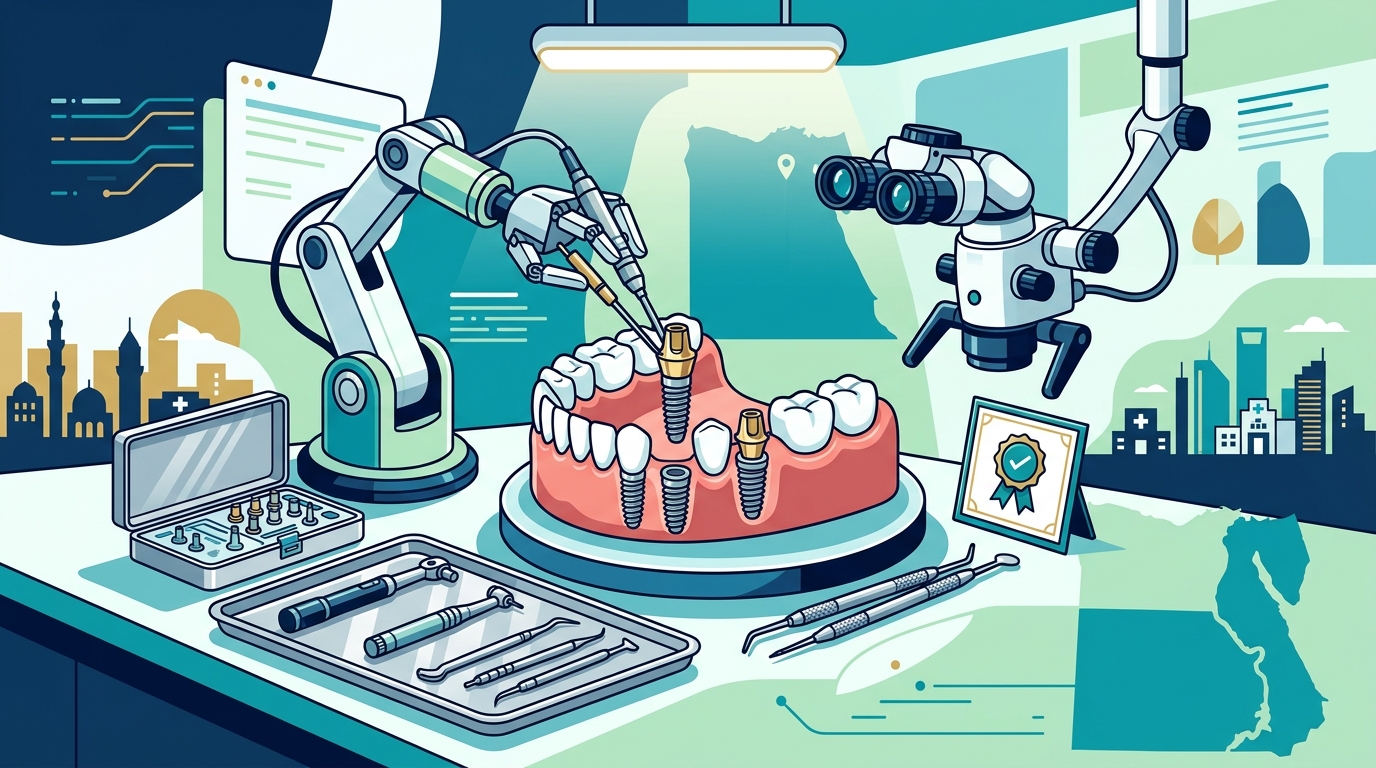
Verifying professional qualifications ensures that your surgical team meets established clinical standards. Board-certified specialists maintain continuing education requirements and participate in peer-reviewed research initiatives. Modern facilities utilize intraoral scanners, digital impression systems, and CAD/CAM milling units to reduce treatment time. You should request documentation of staff certifications and facility accreditation status before scheduling procedures. Clinics that publish their technology upgrades demonstrate a commitment to precision and patient comfort. The about page outlines leadership backgrounds and institutional milestones. Patients benefit from practices that integrate multidisciplinary care, combining restorative, surgical, and orthodontic expertise under one roof. Transparent communication regarding treatment risks, success rates, and alternative options establishes trust. Always verify that the facility maintains current liability insurance and adheres to regional health department regulations.
| Procedure Type | Primary Material | Estimated Healing Duration | Best Candidate Profile |
|---|---|---|---|
| Single Tooth Implant | Grade 5 Titanium | Three to Six Months | Adequate bone density, non-smoker |
| All-on-4 Restoration | Zirconia Framework | Four to Eight Months | Full arch edentulism, compromised bone |
| Wisdom Tooth Extraction | N/A | One to Two Weeks | Impacted teeth, recurrent infection |
| Jaw Correction Surgery | Medical-Grade Screws | Six to Twelve Months | Skeletal malocclusion, functional impairment |
Key Takeaways
- Verify board certification and facility accreditation before scheduling surgical procedures.
- Dental implants require three to six months for complete osseointegration and functional loading.
- Modern clinics utilize 3D imaging and digital smile design to predict aesthetic outcomes accurately.
- Patients with compromised bone density may require supplementary grafting to ensure long-term stability.
- Transparent pricing structures outline all associated costs, including imaging, surgical fees, and laboratory fabrication.
- Post-operative monitoring schedules prevent early mechanical failure and ensure proper healing progression.
- Facilities in Banha and Cairo serve both local residents and international patients seeking specialized care.
Frequently Asked Questions
How long does the dental implant healing process take?
The complete healing process typically spans three to six months, allowing the titanium post to fuse securely with the jawbone. Your surgical team will monitor integration progress through periodic radiographic evaluations and functional assessments.
What qualifications should I verify before selecting a clinic?
You should verify board certification, facility accreditation, and active membership with recognized dental associations. Reviewing the about page reveals leadership backgrounds and institutional milestones.
Are dental implants covered by standard health insurance plans?
Most standard health insurance policies classify implant procedures as elective restorative care rather than medically necessary treatment. You should consult your provider directly to confirm coverage limits and explore available financing options.
What materials are used for modern dental prosthetics?
Contemporary restorative systems utilize medical-grade titanium, zirconia, or hybrid polymer composites for maximum durability. Each material offers distinct advantages regarding biocompatibility, wear resistance, and radiographic visibility.
How do I prepare for oral surgery procedures?
Patients should arrange transportation, follow pre-operative fasting guidelines, and disclose all current medications to their surgical team. Clinics provide detailed recovery guidelines to minimize post-operative discomfort and prevent complications.
Can I schedule a preliminary consultation to review my options?
You can request a preliminary consultation by visiting the contact page to schedule an evaluation and review facility credentials.
What maintenance routines support long-term implant success?
Regular professional cleanings, daily brushing, and flossing routines prevent peri-implant disease and extend prosthetic lifespan. Your surgical team will establish a personalized maintenance schedule based on your specific clinical requirements.
Schedule Your Consultation Today
Securing your oral health requires partnering with a facility that prioritizes precision, transparency, and patient comfort. You can book your initial evaluation by visiting the official contact page to request an appointment. Our clinical team provides comprehensive diagnostic imaging, detailed treatment planning, and personalized care protocols. Contact us today to begin your journey toward lasting dental restoration and improved quality of life.