
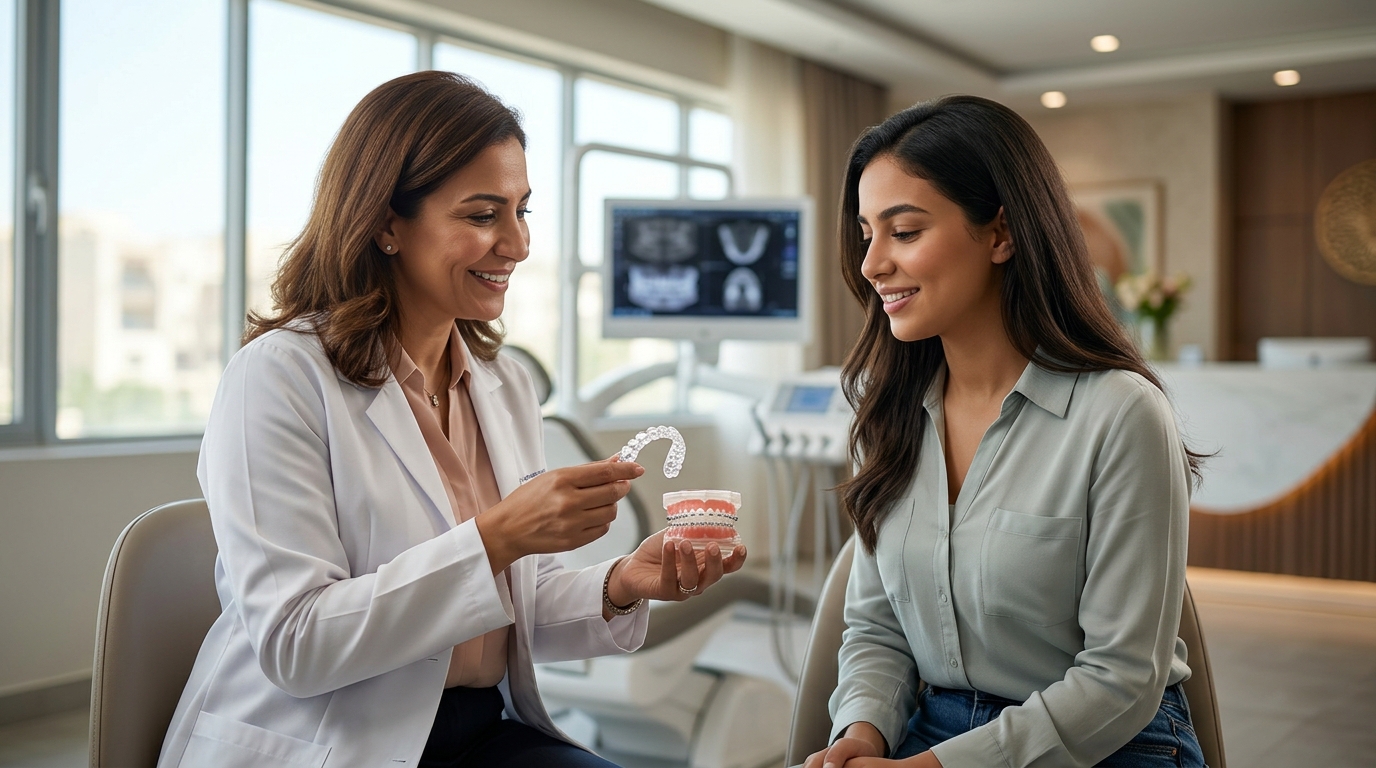
Orthodontic care has experienced substantial growth across the Middle East and North Africa region. Recent industry reports indicate that patient demand for corrective dental procedures has increased by approximately thirty percent over the last five years. This surge reflects a broader regional commitment to long-term oral health and aesthetic confidence. Patients seeking reliable care now prioritize clinics that combine advanced imaging technology with experienced clinical oversight. Understanding where to locate qualified specialists ensures you receive safe, effective, and lasting results.
Understanding Modern Orthodontic Options
Modern orthodontics offers multiple pathways to correct dental alignment. Each method addresses specific bite issues, spacing concerns, and structural irregularities. Traditional metal braces remain the most widely prescribed solution for complex malocclusions. These systems utilize stainless steel brackets and archwires to apply continuous, controlled pressure. Ceramic braces provide a tooth-colored alternative that reduces visual prominence during extended treatment phases. Clear aligner therapy utilizes custom-fabricated plastic trays that patients remove for eating and oral hygiene. Lingual braces attach directly to the back surface of the teeth to maintain complete invisibility.
Orthodontic treatment is a specialized branch of dentistry focused on diagnosing, preventing, and correcting misaligned teeth and jaws. Selecting the appropriate system depends on your specific skeletal structure, age, and lifestyle requirements. Your provider will conduct a comprehensive clinical evaluation to determine which appliance delivers the most efficient correction pathway. Explore our complete dental services to review every available correction method.
Evaluating Clinic Credentials and Technology
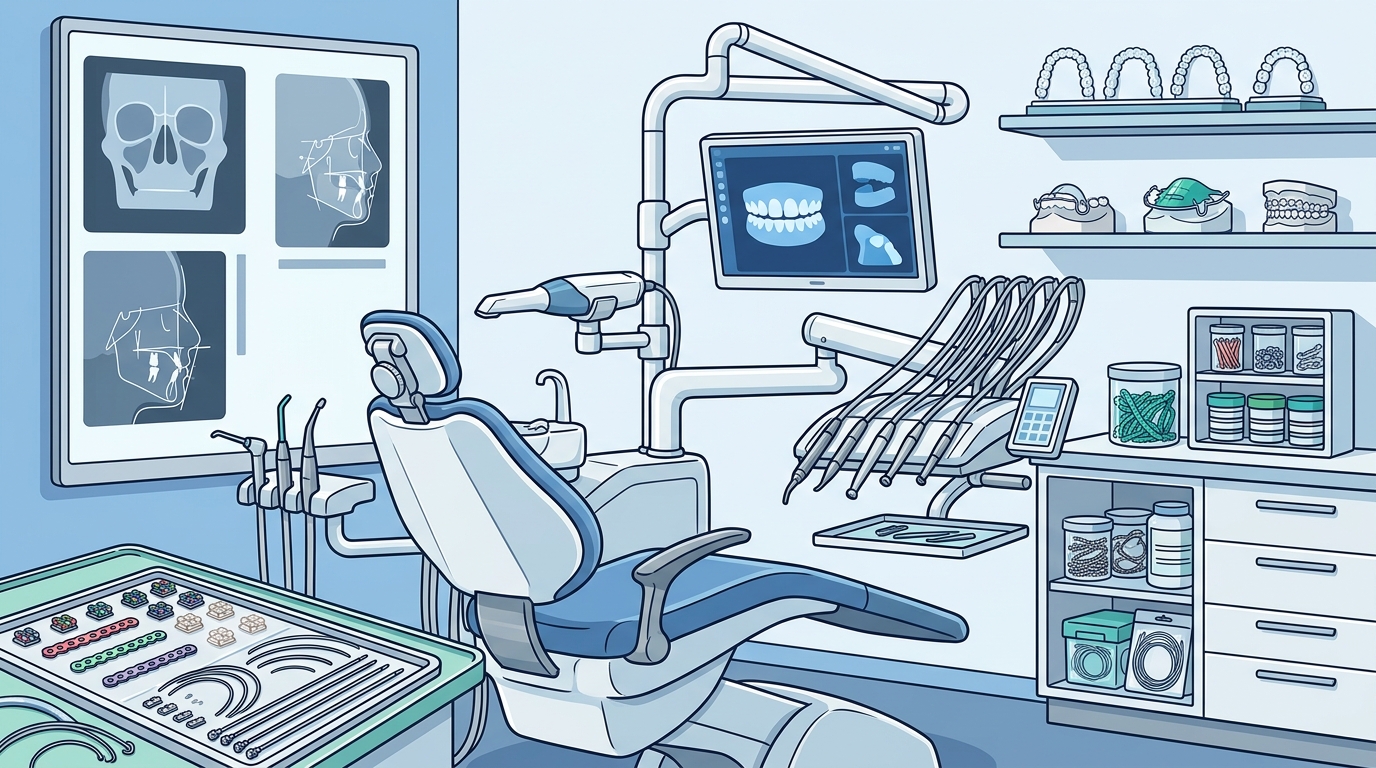
Locating a qualified provider requires verifying institutional standards and clinical expertise. Reputable clinics maintain active memberships with recognized dental associations and adhere to strict infection control protocols. Advanced imaging equipment, including panoramic radiography and three-dimensional cone beam computed tomography, enables precise skeletal mapping. These diagnostic tools eliminate guesswork and allow clinicians to simulate treatment outcomes before appliance placement. Board certified specialists consistently utilize these imaging standards to guarantee predictable outcomes.
Clinic credentials are the documented qualifications, certifications, and institutional affiliations that verify a provider meets established professional standards. When reviewing potential facilities, verify that the lead practitioner holds specialized board certification in orthodontics. Review before and after galleries to assess consistent clinical outcomes. Verify that the facility maintains updated sterilization cycles and employs certified dental assistants during every procedure. Visit our about page to learn about our clinical leadership and institutional history.
Navigating Pricing and Treatment Timelines
Financial planning remains a critical component of the treatment journey. Pricing structures typically reflect the complexity of the case, the chosen appliance type, and the expected duration of active therapy. Most comprehensive packages include initial diagnostics, monthly adjustment visits, retention appliances, and post-treatment follow-up examinations. Transparent billing practices prevent unexpected financial burdens during extended care periods. Global health authorities emphasize that transparent cost structures directly correlate with higher patient compliance rates.
Treatment timelines generally span between twelve and twenty-four months for standard alignment corrections. Complex skeletal discrepancies may require extended phases or supplementary surgical coordination. Clinics offering flexible payment schedules or phased financing options significantly reduce upfront financial stress. Always request a detailed written treatment plan that outlines every cost component before committing to a contract. Our frequently asked questions section addresses common billing inquiries and payment structures.
Why Banha and Greater Cairo Offer Premium Care
Regional dental infrastructure has evolved to meet international standards. Clinics operating in the Qalyubia Governorate and Greater Cairo metropolitan area frequently invest in cutting-edge digital workflows. This technological adoption reduces appointment frequency while improving overall treatment accuracy. Patients benefit from shorter wait times, multilingual clinical staff, and streamlined scheduling systems. Regional dental networks consistently report faster diagnostic turnaround times compared to traditional analog workflows.
Regional dental infrastructure refers to the network of licensed facilities, specialized equipment, and trained personnel available within a specific geographic jurisdiction. Facilities in this region consistently prioritize patient comfort through ergonomic chair designs, noise-reduction protocols, and digital smile design previews. Many practices now offer virtual reality distraction techniques to minimize anxiety during bracket placement or wire adjustments. This commitment to patient experience elevates the standard of care well beyond traditional expectations. Browse our clinical gallery to view documented patient transformations.
Preparing for Your Initial Orthodontic Consultation
Successful treatment begins with thorough preparation. Patients should gather previous dental records, current medications, and any relevant medical history before the first visit. Bringing a list of specific concerns helps clinicians address aesthetic priorities alongside functional corrections. Digital impressions may replace traditional putty molds, delivering greater comfort and higher accuracy.
Orthodontic consultation is a structured clinical assessment where specialists evaluate bite alignment, jaw symmetry, and tooth positioning to design a customized correction plan. During this session, expect detailed radiographic analysis, intraoral scanning, and photographic documentation. The clinician will present a phased treatment roadmap, explain appliance mechanics, and outline expected lifestyle adjustments. Asking targeted questions about maintenance routines and emergency protocols ensures complete transparency. Regulatory compliance standards mandate rigorous documentation during every initial assessment phase.
Post-Treatment Maintenance and Retainer Protocols
Long-term success depends entirely on disciplined retention strategies. Once active appliances are removed, teeth naturally attempt to revert toward their original positions. Custom-fitted retainers stabilize the new alignment and allow surrounding bone and gum tissue to fully remodel. Strict adherence to wear schedules prevents costly relapse scenarios.
Retention therapy is the mandatory post-correction phase where custom appliances maintain newly aligned teeth while supporting tissues stabilize. Most protocols require full-time retainer wear for the first six months, followed by nightly usage for several years. Regular check-up visits monitor retention stability and address minor adjustments before noticeable shifting occurs. Maintaining rigorous oral hygiene prevents plaque accumulation around attachment points and preserves long-term results.
Comparing Orthodontic Appliance Options
| Appliance Type | Visibility Level | Best Use Case | Typical Duration | Cost Range |
|---|---|---|---|---|
| Traditional Metal Braces | High | Complex malocclusions and severe crowding | 18 to 24 months | Standard |
| Ceramic Braces | Moderate | Adult patients prioritizing aesthetics | 15 to 21 months | Moderate |
| Clear Aligners | Minimal | Mild to moderate spacing and bite issues | 12 to 18 months | Premium |
| Lingual Braces | None | High-profile professionals and performers | 18 to 24 months | High |
Key Takeaways
- Orthodontic patient demand in the MENA region has grown by approximately thirty percent over recent years.
- Standard treatment timelines typically range between twelve and twenty-four months depending on case complexity.
- Advanced imaging technologies eliminate diagnostic guesswork and improve appliance placement accuracy.
- Clear aligner therapy requires strict compliance with daily wear schedules to achieve predicted outcomes.
- Retention protocols mandate full-time appliance usage during the initial six-month stabilization period.
- Regional clinics consistently invest in digital workflows to reduce appointment frequency and improve comfort.
- Transparent pricing structures should encompass diagnostics, adjustments, and retention appliances before signing contracts.
Frequently Asked Questions
How long does traditional braces treatment typically last?
Most standard alignment cases require between twelve and twenty-four months of active appliance wear. Complex skeletal corrections or severe crowding may extend timelines toward the upper range. Your clinician will provide a precise schedule based on your initial diagnostic imaging.
Are clear aligners suitable for severe bite corrections?
Clear aligners excel at managing mild to moderate spacing and minor bite discrepancies. Severe skeletal mismatches often require traditional bracket systems or supplementary surgical coordination. A comprehensive clinical evaluation determines whether aligner therapy meets your specific structural requirements.
What happens if I lose a retainer after treatment?
Losing a retention appliance requires immediate contact with your clinical team to prevent unwanted tooth movement. Most facilities maintain digital records of your final alignment to fabricate a precise replacement. Delaying replacement beyond two weeks often necessitates partial re-treatment to restore stability.
Can adults successfully undergo orthodontic correction?
Adult patients achieve excellent outcomes when gum tissue and bone density remain healthy. Age does not restrict treatment eligibility, though slower cellular turnover may slightly extend active phases. Modern appliances accommodate mature anatomical structures without compromising long-term stability.
How do I manage discomfort during the first adjustment visit?
Mild soreness typically peaks within twenty-four to forty-eight hours after wire tightening. Over-the-counter anti-inflammatory medications and soft food diets significantly reduce discomfort. Applying orthodontic wax to irritated bracket edges prevents mucosal abrasion during the initial adaptation period.
What digital technologies improve treatment accuracy?
Cone beam computed tomography and intraoral scanners generate precise three-dimensional models of your dental architecture. These digital workflows eliminate traditional impression materials and enable virtual treatment simulations. Clinics utilizing these systems consistently report higher patient satisfaction and fewer emergency adjustments.
Book Your Orthodontic Consultation Today
Securing professional orthodontic care requires selecting a facility that prioritizes diagnostic precision, clinical expertise, and transparent communication. Our team combines advanced imaging technology with personalized treatment planning to deliver predictable, long-lasting results. Schedule your comprehensive evaluation by visiting our main portal to explore available appointment slots and service details. Book your consultation now and take the first step toward a perfectly aligned smile.