
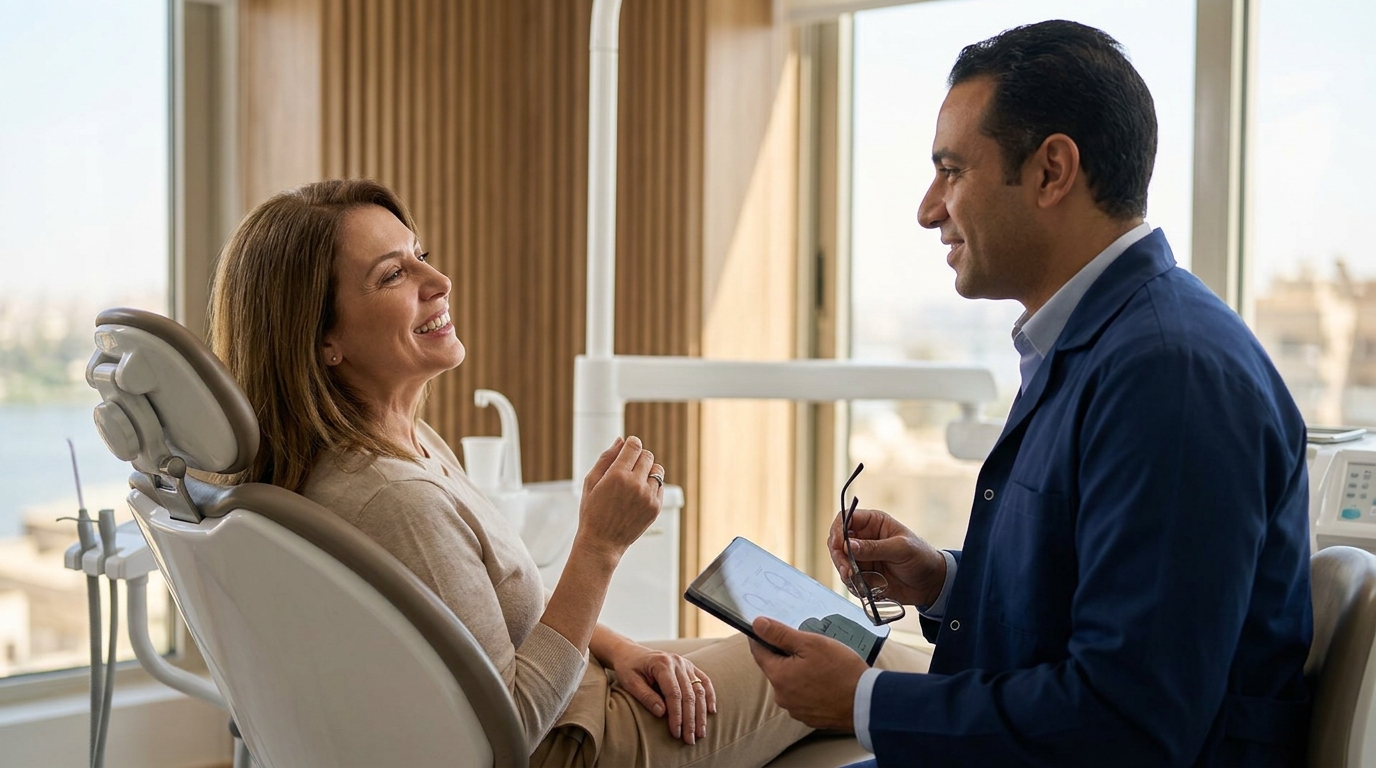
Recent industry reports indicate that international patients seeking dental implants save an average of sixty percent on treatment costs compared to Western markets. This financial advantage drives millions of visitors to specialized clinics across the Middle East annually. Finding a qualified provider requires careful evaluation of surgical credentials, sterilization protocols, and post-operative support networks. Patients prioritizing safety and long-term results must verify that their chosen facility maintains strict regulatory compliance. This guide outlines the essential steps for selecting a trusted clinic and understanding your treatment options.
Understanding Dental Implants and Oral Surgery Procedures
Dental implants are titanium posts surgically placed into the jawbone to replace missing tooth roots. This procedure restores both function and aesthetic appearance for patients with severe tooth loss. Oral surgery is a broader medical discipline that addresses complex structural issues, including jaw realignment, cyst removal, and severe infection management. Both procedures require precise imaging and specialized surgical instruments to ensure successful integration.
Implant Placement and Osseointegration
The initial phase involves creating a precise surgical site within the mandible or maxilla. Surgeons utilize computer-aided design software to map bone density and avoid critical nerve pathways. After placement, the titanium fixture undergoes osseointegration, a biological process where bone tissue fuses directly with the implant surface. This stabilization typically requires three to six months of healing time before attaching the final abutment and crown.
Complex Oral Surgical Interventions
Advanced oral surgery addresses conditions that standard restorative dentistry cannot resolve. Procedures may include wisdom tooth extraction, corrective jaw surgery, or treatment of temporomandibular joint disorders. Clinics offering these services must maintain accredited operating theaters with emergency response capabilities. Patients should verify that their surgical team holds recognized board certifications and maintains active membership with international dental associations.
Why Egypt Has Become a Global Dental Hub
Egypt has rapidly established itself as a premier destination for medical tourism due to its combination of advanced infrastructure and competitive pricing. The country hosts numerous internationally accredited facilities that adhere to strict European and American clinical standards. According to recent healthcare tourism rankings, Egypt consistently ranks among the top five destinations for restorative procedures in the region, global health data confirms. This growth stems from strategic investments in digital radiography, 3D printing technology, and automated sterilization systems.
Local practitioners frequently complete advanced training programs in Europe and North America before returning to practice domestically. This educational pipeline ensures that surgical teams possess up-to-date knowledge of minimally invasive techniques and modern anesthesia protocols. Patients benefit from shorter wait times and highly personalized care plans that prioritize long-term oral health outcomes.
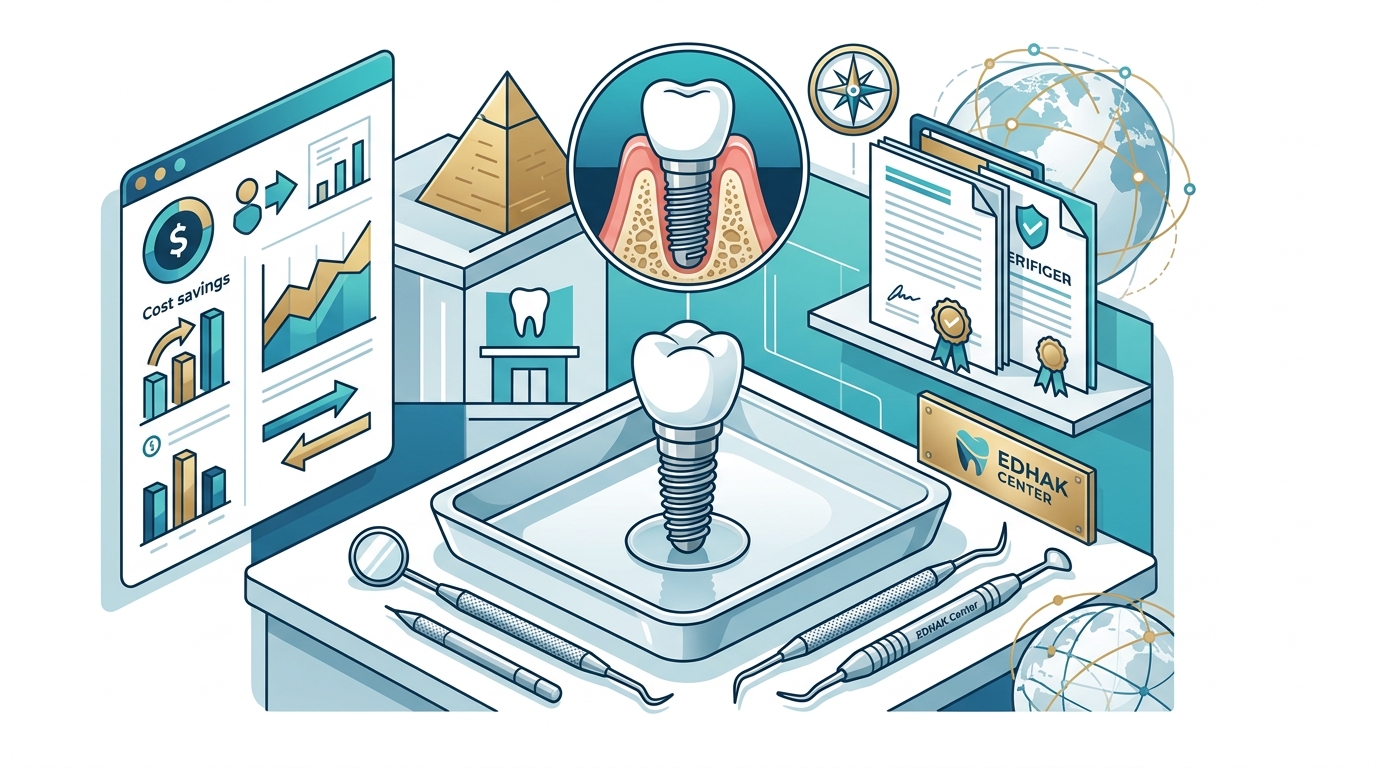
Evaluating Clinic Standards and Medical Compliance
Selecting a facility requires verifying multiple operational benchmarks before scheduling any procedures. Reputable centers maintain transparent documentation regarding their sterilization cycles, instrument traceability, and infection control measures. You should request to view their accreditation certificates and review their before and after gallery to assess consistent surgical outcomes. A professional practice will openly discuss their complication rates and emergency backup protocols.
Technology and Diagnostic Capabilities
Modern clinics utilize cone beam computed tomography to generate three-dimensional models of your craniofacial structure. This imaging technology eliminates guesswork during implant placement and reduces overall surgical time. Advanced laser systems assist in soft tissue management and accelerate post-surgical healing. Facilities that invest in these diagnostic tools typically deliver more predictable results and fewer follow-up visits.
Staff Credentials and Patient Safety
Verify that your surgical team holds active licenses from the relevant national health authority. Experienced oral surgeons typically manage hundreds of successful cases annually while maintaining strict adherence to safety guidelines. Clinics that prioritize patient safety implement double-check verification systems for medication dosages and implant sizing. Reviewing patient testimonials and independent forum discussions provides additional insight into the actual care experience.
Navigating Costs and Treatment Packages
Financial planning plays a crucial role in your overall treatment strategy. Transparent clinics provide detailed written estimates that break down surgical fees, laboratory costs, and follow-up appointments. You should compare package pricing against the included services to avoid hidden charges during your recovery period. Many facilities offer flexible payment schedules or partner with international financing providers to ease financial pressure.
| Procedure Type | Typical Duration | Recovery Timeline | Longevity Expectation |
|---|---|---|---|
| Single Dental Implant | 60 to 90 minutes | 3 to 6 months | 20+ years |
| All-on-4 Full Arch | 3 to 4 hours | 4 to 8 months | 25+ years |
| Wisdom Tooth Extraction | 30 to 45 minutes | 7 to 14 days | Permanent |
| Corrective Jaw Surgery | 2 to 5 hours | 6 to 12 weeks | Permanent |
What to Expect During Your First Consultation
Your initial visit establishes the foundation for your entire treatment journey. Clinics typically begin with a comprehensive clinical examination and digital imaging to assess bone volume and gum health. You will discuss your medical history, current medications, and specific aesthetic goals with your lead surgeon. This meeting allows you to ask questions and review customized treatment plans before committing to any financial obligations.
Diagnostic Imaging and Treatment Planning
Advanced imaging reveals hidden structural details that standard two-dimensional X-rays cannot capture. Your provider will use this data to simulate implant positioning and predict aesthetic outcomes. Digital smile design software allows you to visualize your final result before surgery begins. This collaborative planning process reduces anxiety and ensures alignment between your expectations and clinical possibilities.
Financial Transparency and Scheduling
Reputable practices provide itemized cost breakdowns that clearly separate surgical fees from laboratory fabrication charges. You should receive a written treatment timeline that outlines each phase of your recovery. Flexible scheduling options accommodate international travelers who need to minimize time away from home. Clear communication regarding cancellation policies and rescheduling procedures prevents unnecessary administrative stress.
Post-Operative Care and Long-Term Maintenance
Recovery protocols directly influence your final results and overall comfort level. Patients must follow strict dietary restrictions and oral hygiene guidelines during the initial healing phase. Clinics that provide detailed written instructions and 24-hour emergency contact lines demonstrate a commitment to patient safety. Regular follow-up appointments allow your surgeon to monitor tissue integration and address minor complications early.
Hygiene Protocols and Lifestyle Adjustments
Maintaining rigorous oral hygiene prevents bacterial buildup around surgical sites and promotes faster tissue recovery. Your provider will recommend specialized brushes, antimicrobial rinses, and gentle massage techniques for sensitive gums. Avoiding tobacco products and excessive alcohol consumption significantly reduces the risk of implant failure. Consistent professional cleanings every six months preserve your investment and extend the lifespan of your restorations.
Long-Term Monitoring and Warranty Coverage
Established clinics offer comprehensive warranty programs that cover manufacturing defects and routine maintenance adjustments. You should verify whether your treatment package includes complimentary follow-up scans and professional polishing sessions. Tracking your oral health metrics over multiple years helps identify potential wear patterns before they become serious issues. Proactive maintenance strategies ultimately save patients time and money while preserving natural tooth structure.
Key Takeaways
- Dental implants are titanium posts surgically placed into the jawbone to replace missing tooth roots.
- Oral surgery is a broader medical discipline that addresses complex structural issues, including jaw realignment and severe infection management.
- Osseointegration is a biological process where bone tissue fuses directly with the implant surface to ensure long-term stability.
- International patients save an average of sixty percent on treatment costs compared to Western markets.
- Egypt consistently ranks among the top five destinations for restorative procedures in the Middle East.
- Facilities utilizing cone beam computed tomography deliver more predictable surgical outcomes and fewer follow-up visits.
- Comprehensive warranty programs cover manufacturing defects and routine maintenance adjustments for qualified patients.
Frequently Asked Questions
How long does the complete dental implant process take?
The entire procedure typically requires three to six months for initial healing and osseointegration. Final crown placement occurs after your surgeon confirms complete bone fusion through digital imaging. Complex full-arch restorations may extend the timeline to eight months depending on individual bone density.
Are dental implants covered by international health insurance?
Most standard health insurance policies classify implants as elective cosmetic procedures rather than medical necessities. Some premium international plans offer partial coverage for medically necessary extractions followed by restorative work. You should verify your specific policy details before scheduling any surgical appointments.
What qualifications should I verify before selecting a surgeon?
Verify that your surgical team holds active licenses from the relevant national health authority. Experienced oral surgeons typically manage hundreds of successful cases annually while maintaining strict adherence to safety guidelines. Clinics that prioritize patient safety implement double-check verification systems for medication dosages and implant sizing.
Can I schedule a virtual consultation before traveling?
Many modern clinics offer secure video consultations to review your existing X-rays and discuss preliminary treatment options. This remote assessment helps you understand your eligibility and receive a preliminary cost estimate. You should still plan for an in-person examination to finalize your surgical timeline and order custom components.
What are the most common risks associated with oral surgery?
Potential complications include temporary swelling, minor bleeding, and localized discomfort during the first week. Serious risks like nerve damage or implant failure occur in less than two percent of cases when performed by qualified professionals, regulatory data confirms. Following your surgeon's post-operative instructions significantly reduces your overall risk exposure.
How do I maintain my implants after the procedure is complete?
Maintaining rigorous oral hygiene prevents bacterial buildup around surgical sites and promotes faster tissue recovery. Your provider will recommend specialized brushes, antimicrobial rinses, and gentle massage techniques for sensitive gums. Regular professional cleanings every six months preserve your investment and extend the lifespan of your restorations.
Is it safe to travel immediately after implant placement?
Most patients can safely fly within 24 to 48 hours after minor implant procedures without complications. Extended flights may increase swelling, so you should elevate your head and follow your surgeon's medication schedule. Complex oral surgery typically requires a minimum seven-day recovery period before long-distance travel.
Ready to Restore Your Smile?
Choosing the right facility determines your long-term success and overall comfort level. EDHAK Center provides comprehensive diagnostic imaging, experienced surgical teams, and transparent pricing structures tailored to international patients. Visit our dental services page to explore our complete treatment catalog. Review our about section to learn about our clinical philosophy and team credentials. Schedule your personalized consultation today by visiting our contact page. Browse our gallery to see verified before and after results. Read our faq section for additional procedural details. Explore our blog for ongoing oral health insights. Book your appointment now and take the first step toward lasting oral health.