
Modern orthodontic treatment is a highly specialized branch of dentistry that corrects misaligned teeth and jaws to improve both function and facial aesthetics. According to recent clinical data, approximately 75 percent of adolescents and adults globally require some form of corrective dental intervention to achieve optimal occlusion. Patients seeking reliable care in Egypt now have access to advanced digital imaging, customized appliance fabrication, and experienced specialists who follow international clinical standards. This comprehensive overview outlines the essential steps for selecting a qualified provider, understanding treatment modalities, and securing long-term oral health outcomes.
Understanding Modern Orthodontic Options
Orthodontic treatment is a specialized dental discipline focused on correcting dental and facial irregularities through mechanical force application. Clinics across Egypt now offer multiple appliance categories to match individual anatomical requirements and lifestyle preferences. Traditional metal brackets remain the most cost-effective solution for complex malocclusions. Ceramic braces provide a discreet alternative by blending with natural tooth enamel. Clear aligner systems utilize transparent thermoplastic trays that patients can remove for eating and oral hygiene routines.
Bracket-Based Therapies
Bracket-based therapies continue to deliver predictable results for severe crowding and bite discrepancies. These appliances attach directly to the enamel surface and connect via stainless steel wires. Regular adjustment cycles gradually shift tooth positioning over a twelve to twenty-four month period. Patients should expect minor initial discomfort that resolves within forty-eight hours.
Transparent Aligner Technology
Transparent aligner technology represents a significant advancement in patient comfort and aesthetic discretion. Each custom tray applies precise directional force to specific teeth. The sequential replacement schedule typically spans eighteen to thirty months. This approach reduces emergency visits and minimizes soft tissue irritation.
Evaluating Clinic Credentials
Orthodontic credentials are the foundational requirement for safe and effective treatment planning. Prospective patients must verify that their chosen specialist holds recognized postgraduate certification in orthodontics. International accreditation standards mandate rigorous clinical examinations and supervised case management. Clinics displaying comprehensive before and after galleries demonstrate consistent procedural execution. Reviewing patient testimonials provides additional insight into staff communication and appointment scheduling efficiency.
Verification Checklist
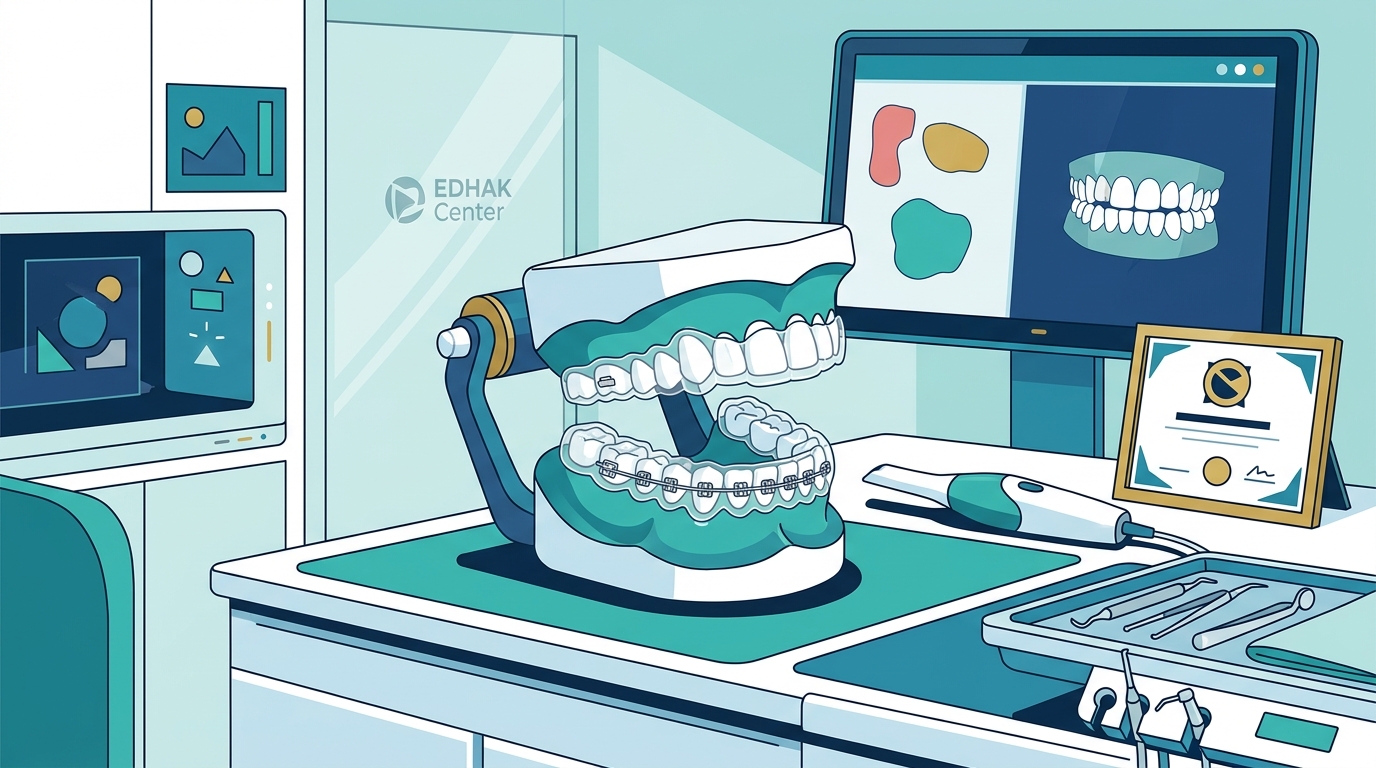
A thorough verification checklist prevents unnecessary complications during the initial consultation phase. Patients should request proof of continuing education participation and equipment maintenance logs. Modern facilities invest heavily in sterilization protocols and radiation safety compliance. Confirming these operational standards ensures a secure clinical environment.
The Role of Digital Imaging
Digital imaging is a diagnostic methodology that captures high-resolution three-dimensional representations of dental structures. Traditional radiographs require physical film processing and expose patients to higher radiation doses. Cone beam computed tomography generates precise volumetric data for surgical planning and implant placement. Digital intraoral scanners eliminate uncomfortable impression materials by creating accurate virtual models. These technological upgrades significantly reduce appointment duration and improve treatment accuracy.
Virtual Treatment Planning
Virtual treatment planning allows specialists to simulate tooth movement before appliance placement. Clinicians can adjust force vectors and predict final occlusion outcomes with mathematical precision. This predictive capability minimizes unexpected complications during active treatment phases. Patients receive a clear visual roadmap of their projected smile transformation.
Treatment Costs and Structures
Treatment costs are determined by case complexity, appliance selection, and geographic location. Egyptian clinics typically structure payments into monthly installments to improve financial accessibility. Comprehensive packages usually include initial diagnostics, appliance fabrication, and routine adjustment visits. Transparent pricing eliminates hidden fees and allows patients to budget accurately. Insurance coverage varies significantly across private and public healthcare networks.
| Appliance Category | Estimated Duration | Primary Advantage | Provider Link |
|---|---|---|---|
| Traditional Metal Brackets | 12 to 24 months | Cost-effective correction | View Service Details |
| Ceramic Braces | 18 to 30 months | Discreet appearance | View Service Details |
| Clear Aligner Systems | 12 to 24 months | Removable convenience | View Service Details |
| Functional Appliances | 9 to 18 months | Jaw growth modification | View Service Details |
Selecting the Right Provider
Selecting the right provider requires careful evaluation of clinical experience and patient communication standards. Specialists who prioritize preventive education typically achieve higher long-term retention rates. Clinics located in major urban centers often maintain larger diagnostic equipment inventories. Prospective patients should schedule initial consultations to assess office cleanliness and staff professionalism. Direct communication regarding treatment expectations prevents misunderstandings during active phases.
Consultation Preparation
Consultation preparation involves gathering previous dental records and current medication lists. Patients should document specific concerns regarding speech patterns or chewing difficulties. Bringing a list of questions ensures maximum utilization of the appointment window. Specialists will conduct thorough intraoral examinations and recommend customized intervention strategies.
Post-Treatment Maintenance
Post-treatment maintenance is a critical phase that preserves corrected tooth positioning and occlusal stability. Retainer appliances must be worn exactly as prescribed to prevent relapse. Regular professional cleanings remove plaque accumulation around attachment sites. Patients should schedule follow-up evaluations every six months to monitor gingival health. Adherence to maintenance protocols directly correlates with long-term treatment success.
Key Takeaways
- Orthodontic treatment corrects dental irregularities and improves facial symmetry through controlled mechanical force.
- Clinics in Egypt utilize advanced digital imaging and virtual planning to maximize treatment precision.
- Transparent aligner systems offer removable convenience while traditional brackets address complex malocclusions.
- Provider credentials must include recognized postgraduate certification and international accreditation standards.
- Financial structures typically feature monthly installments to improve accessibility for Egyptian patients.
- Post-treatment retention requires strict adherence to retainer schedules and biannual professional evaluations.
- EDHAK Center provides comprehensive diagnostic services and customized appliance fabrication in Banha.
Frequently Asked Questions
How long does typical orthodontic treatment take?
Most comprehensive treatment protocols require twelve to twenty-four months to achieve optimal alignment. Complex skeletal discrepancies may extend the active phase to thirty-six months. Retention periods follow active correction and typically span twelve to twenty-four months.
Are clear aligners suitable for severe crowding?
Clear aligners effectively manage mild to moderate crowding cases. Severe dental rotations or significant vertical discrepancies often require bracket-based appliances. Specialists evaluate individual anatomical constraints before recommending appliance categories.
What diagnostic tests are required before treatment begins?
Initial diagnostics typically include intraoral photographs, digital radiographs, and three-dimensional cone beam scans. These imaging modalities provide comprehensive data regarding root positioning and bone density. Specialists analyze this information to construct precise treatment mechanics.
How frequently must patients visit the clinic for adjustments?
Bracket-based appliances generally require monthly adjustment cycles to maintain optimal force application. Clear aligner protocols typically involve biweekly or monthly check-ins to monitor progression. Specialists adjust visit frequency based on individual treatment response rates.
Is orthodontic treatment painful during the active phase?
Mild discomfort is common during the first forty-eight hours following appliance placement. Over-the-counter analgesics effectively manage temporary pressure sensations. Specialists provide detailed aftercare instructions to minimize soft tissue irritation.
Can adults successfully complete orthodontic treatment?
Adult patients achieve excellent treatment outcomes when periodontal health remains stable. Bone remodeling occurs throughout life, allowing safe tooth movement at any age. Specialists customize force vectors to accommodate mature anatomical structures.
What happens if a patient breaks an appliance during treatment?
Broken appliances require immediate professional assessment to prevent treatment delays. Specialists repair or replace damaged components during scheduled emergency visits. Patients should avoid hard foods and maintain strict oral hygiene protocols.
Book Your Consultation
Securing professional orthodontic care begins with a comprehensive diagnostic evaluation. EDHAK Center offers advanced imaging, customized appliance fabrication, and experienced specialist oversight. Patients seeking reliable treatment in Egypt can schedule their initial consultation today. Visit our contact page to secure your appointment and begin your smile transformation journey.